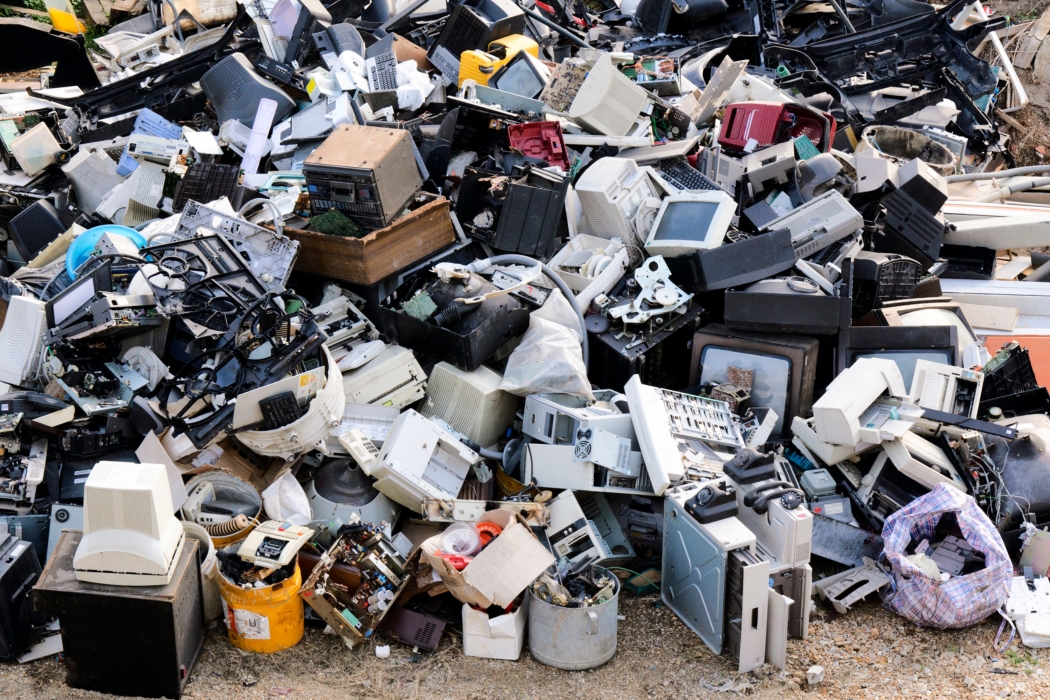
Electronics power our lives, but inside every device are chemicals in electronics that can harm both human health and the environment. From smartphones and laptops to TVs and gaming consoles, nearly every piece of technology we use daily contains materials that must be handled carefully.
The problem is that most people don’t realize the risks these devices carry—not just when they’re manufactured, but also during everyday use and especially when they’re thrown away. Without proper handling, these substances can leak into soil, contaminate water, or harm workers who dismantle them.
This guide breaks down the most common toxic chemicals in electronics, explains their impact, and highlights why safe recycling is the only responsible path forward.
Why Toxic Chemicals in Electronics Matter
Billions of electronic devices are produced every year, each one packed with plastics, metals, and chemical additives. While these components make our devices run smoothly, they also come with hidden risks.
- Exposure at every stage: Workers may be exposed during production, consumers during use, and entire communities when devices are discarded improperly.
- Environmental impact: Toxic substances from electronics can leach into soil, seep into groundwater, and release harmful fumes into the air.
- Health impact: Long-term exposure to chemicals in electronics has been linked to cancers, neurological disorders, organ damage, and developmental problems in children.
Put simply: the technology we depend on every day has a hidden cost, and how we manage these devices once they’re no longer useful determines whether those risks are contained—or unleashed.
Common Toxic Chemicals Found in Electronics
When people hear about toxic chemicals in electronics, they often think of just batteries. In reality, there are dozens of substances inside everyday devices that can pose serious risks to both health and the environment. Here are some of the most common:
Lead
Lead is still found in older CRT monitors, solder, and circuit boards. The problem with lead is its persistence—it stores in the bones and blood over time. Exposure can cause neurological damage, kidney problems, and developmental delays in children.
Mercury
Mercury shows up in fluorescent lamps, LCD screens, laptops, and smartphones. It’s highly toxic if screens crack or if devices are burned in incinerators.
Cadmium
Cadmium is used in batteries, switches, resistors, and coatings. It bioaccumulates, meaning it builds up in the body over time.
Arsenic
Arsenic can be found in semiconductors and some older LEDs. Even small amounts can leach from discarded electronics into soil and water.
Chromium (Hexavalent Chromium)
This form of chromium is used in protective plating on steel components. It’s toxic when inhaled or ingested, with health effects that include respiratory illness, and allergic reactions.
Brominated Flame Retardants (BFRs)
To reduce fire risks, many plastics, casings, and circuit boards are treated with BFRs. These chemicals don’t easily break down, so they persist in the environment and can accumulate in human tissue.
Phthalates
Phthalates are used in plastics and cable coatings to increase flexibility. Unfortunately, they easily leach into dust and air.
How Toxic Chemicals Enter the Environment
- During Manufacturing: Workers are exposed to industrial waste and raw chemical handling.
- During Use: Casings and coatings can release chemicals, especially when devices overheat.
- During Disposal: Breaking, burning, or improper recycling releases toxins into soil, water, and air.
The Human Health Risks of Improper Disposal
- Communities near landfills or incinerators absorb toxins through contaminated water and air.
- Consumers may be exposed when cracked or damaged devices release hazardous chemicals.
- Risks include neurological disorders, respiratory disease, and birth defects.
Why Proper Recycling Prevents Chemical Exposure
- Electronics recycling allows for safe dismantling and chemical management.
- Reusable metals like copper, and aluminum are recovered without releasing toxins.
- Prevents toxic substances like lead, mercury, and cadmium from entering soil and groundwater.
- Supports compliance with global safety standards like the EPA, EU RoHS, and Basel Convention.
EACR Inc. and Safe Electronics Recycling
At EACR Inc., we specialize in electronics recycling with a focus on safety and zero-landfill practices. Our licensed facility ensures toxic chemicals like lead, mercury, and flame retardants are handled properly while reusable materials are recovered for future use. With a zero-landfill commitment, we protect both communities and the environment.
Final Thoughts on Toxic Chemicals in Electronics
Electronics may make modern life possible, but they also contain hidden dangers that can harm people and the planet. From lead and mercury to flame retardants and phthalates, these chemicals create risks across the entire life cycle of a device.
The solution is simple: recycle responsibly. By working with a licensed recycler like EACR Inc., you can prevent chemical exposure, recover useful materials, and protect the environment.