Solar panels are built to last decades, but no system is permanent. Over time, exposure to sunlight, heat, weather, and normal wear causes every panel to lose efficiency.
Different solar panel types degrade at different rates, which directly affects when they need to be replaced. Once panels reach end of life, they don’t simply disappear — they become electronic waste that must be handled responsibly.
Recycling is the only practical and environmentally sound way to manage aging solar technology and prevent long-term harm.
When panels reach the end of their useful life, solar panel recycling ensures materials are recovered safely and environmental harm is avoided.
Solar Panel Types and How Their Lifespan Impacts Recycling
Monocrystalline Solar Panels
Monocrystalline panels are made from single-crystal silicon and are known for their high efficiency and durability. They typically have the longest lifespan of all solar panel types.
These panels are often replaced due to efficiency upgrades rather than outright failure and are commonly found in residential systems or installations where space is limited.
Recycling implication:
Because of their long lifespan, large volumes of monocrystalline panels are expected to reach end of life at the same time over the next 10–20 years, creating a major recycling demand.
Polycrystalline Solar Panels
Polycrystalline panels are made from multiple silicon fragments fused together. They have a slightly shorter lifespan than monocrystalline panels but are still considered long-lasting.
They’re frequently used in larger commercial or ground-mounted systems, where space is less constrained. Their gradual performance decline often leads to phased replacements rather than full system removal.
Recycling implication:
Polycrystalline panels are commonly removed in bulk during repowering projects or efficiency retrofits, making coordinated recycling essential.
Thin-Film Solar Panels
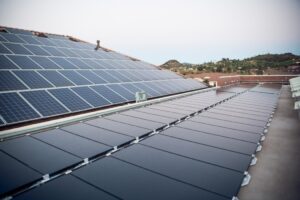
Thin-film panels are lightweight, flexible, and lower profile than traditional silicon panels. They are widely used on commercial rooftops and utility-scale installations.
While versatile, thin-film panels generally have a shorter average lifespan and are often replaced earlier due to performance decline.
Recycling implication:
Thin-film panels contain regulated materials and must be handled through licensed solar panel recycling, not scrap yards or landfill disposal.
| Comparison Factor | Monocrystalline Panels | Polycrystalline Panels | Thin-Film Panels |
| Core Construction | Single continuous silicon crystal structure | Multiple silicon crystals fused together | Ultra-thin photovoltaic layers applied to a substrate |
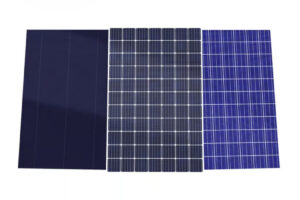
| Visual Profile | Dark black with a clean, uniform finish | Blue-hued with a granular pattern | Varies widely; often thin or flexible |
| Energy Output | Highest power output per panel | Moderate power output | Lower output per panel |
| Expected Service Life | 25–40 years before replacement | 20–35 years typical lifespan | Roughly 10–20+ years, depending on type |
| Output Decline Over Time | Minimal long-term degradation | Gradual, predictable decline | Degradation rates vary by material |
| Space Efficiency | Requires the least installation area | Moderate area required | Needs more surface area to match output |
| Heat Tolerance | Maintains efficiency in hot conditions | Efficiency drops slightly in heat | Heat response depends on panel chemistry |
| Low-Light Behavior | Consistent energy production | Performs reasonably well | Some models excel in low-light |
| Primary Strengths | Maximum efficiency and durability | Cost-effective and reliable | Lightweight, adaptable, easy to integrate |
| Common Use Cases | Residential rooftops, high-density installs | Large commercial or utility arrays | Portable systems, specialty or non-flat surfaces |
Solar Panel Lifespan vs. End-of-Life Reality
What “End of Life” Actually Means for Solar Panels
End of life doesn’t mean a panel suddenly stops working. Most panels still produce electricity, just not efficiently enough to justify continued use.
Warranty expiration often drives replacement decisions, especially when output drops below acceptable thresholds. As efficiency declines, operational costs increase and system performance suffers.
In most cases, recycling becomes necessary before panels fully fail.
Degradation Rates and Replacement Timing
All solar panels experience degradation over time. Typically, there is a slightly higher drop in performance during the first year, followed by a steady annual decline.
Panels with higher degradation rates reach replacement thresholds sooner. Thin-film panels, in particular, tend to reach end-of-life earlier than crystalline silicon panels, accelerating the need for recycling.
What Happens If Solar Panels Aren’t Recycled
Environmental Consequences
Solar panels contain metals, wiring, and electronic components that do not biodegrade. When improperly discarded, hazardous materials can leach into soil and groundwater.
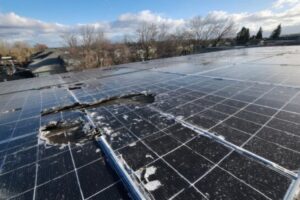
Broken or damaged panels increase the risk of environmental contamination, especially when left exposed or crushed in disposal streams.
Regulatory and Liability Risks
Many solar panels qualify as regulated electronic waste. Improper disposal can violate environmental regulations and lead to enforcement actions.
Responsibility for proper disposal remains with the system owner, even after panels are removed from service.
What Happens During the Solar Panel Recycling Process
Step-by-Step Overview
Solar panel recycling begins with collection and transportation to a licensed facility. Panels are assessed by type and condition before processing.
Next, aluminum frames, glass, wiring, and electronic components are separated. Reusable materials are recovered and routed back into manufacturing streams, while regulated components are handled safely and responsibly.
Environmental Benefits of Recycling
Proper solar panel recycling prevents long-term soil and water contamination, reduces the need for new raw material extraction, and keeps hazardous materials out of landfills. It’s a critical step in ensuring solar energy remains a truly sustainable solution.
When Should Solar Panels Be Recycled?
End-of-Life Replacement
Most solar panels are recycled when they reach the end of their useful life. This often happens during:
- Residential upgrades when homeowners replace older systems with higher-efficiency panels
- Commercial efficiency retrofits where aging panels no longer meet performance goals
- Warranty expiration, which commonly triggers replacement even if panels still produce some power
At this stage, solar panel recycling ensures aging equipment is removed responsibly instead of becoming unmanaged electronic waste.
Solar Panel Recycling by Panel Type
Recycling Monocrystalline Panels
Monocrystalline panels offer high recovery potential due to their aluminum frames and silicon content. Because they last longer than other panel types, their recycling wave is delayed—but when it arrives, volumes will be significant.
These panels are most often recycled in large batches during residential and commercial upgrades.
Recycling Polycrystalline Panels
Polycrystalline panels follow similar recycling pathways as monocrystalline panels. They are commonly removed during bulk commercial projects and repowering efforts.
Their gradual performance decline means recycling often happens in phases rather than all at once.
Recycling Thin-Film Panels
Thin-film panels require specialized handling and must be processed through licensed facilities. Unlike silicon-based panels, thin-film panels can contain regulated materials that cannot be landfilled or scrapped.
These panels should never be sent to scrap yards or general waste streams.
Conclusion: Solar Energy Stays Sustainable Only With Responsible Recycling
Solar panels power a cleaner future—but only if their end-of-life is handled correctly. Different panel types age at different rates, but every system eventually requires recycling. Choosing licensed solar panel recycling protects the environment, reduces liability, and keeps reusable materials in circulation. When panels reach the end of their lifespan, choose solar panel recycling that’s safe, compliant, and environmentally responsible.