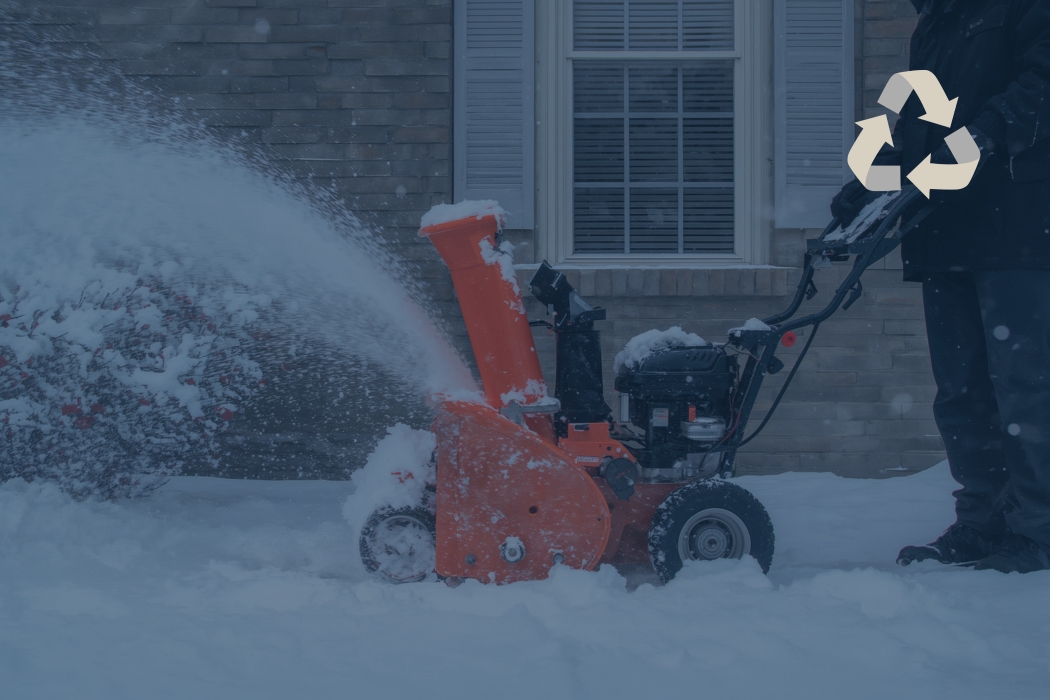
Snow blower recycling starts with one simple reality: these machines are bulky, seasonal equipment that are not easy to throw away. They combine metal, plastic, rubber, wiring, and mechanical parts in one awkward machine, and depending on the model, they may also contain fuel, oil, electrical components, or removable lithium batteries. That mix makes disposal more complicated than people expect, especially when the unit has been sitting in a garage, shed, or maintenance area for months waiting for someone to deal with it.
That is usually how it happens. Homeowners replace an old snow blower and push the old one to the side. Property managers cycle out seasonal equipment. Landscaping and snow removal companies upgrade fleets. Municipal and facility maintenance teams clear out older machines during equipment turnover. If you’re dealing with snow blower recycling as part of a seasonal cleanup or equipment turnover, EACR Inc. is an electronics recycling company that can help simplify the process with practical recycling options and pickup support.
This guide shows what is inside a snow blower, why proper recycling matters, what recycling options actually work, and when pickup, drop off, or battery recycling makes the most sense.
What’s Inside a Snow Blower?
Core components
A snow blower has more going on than people sometimes realize. Most units include an engine or electric motor, the auger and impeller system that moves the snow, the chute and controls, and the frame, wheels, and housing that hold everything together.
Those parts are all built for function, but when the machine reaches the end of its life, they matter because they are made from different materials and may need different handling.
Materials involved
Snow blowers typically include steel and aluminum, plastics and rubber, copper wiring in electric units, and batteries in cordless models. That is a big reason why these machines do not belong in the trash.
Some of those materials may be reusable when the unit is processed the right way. Others need to be separated and routed through the proper recycling channels instead of being dumped as one mixed piece of equipment.
Gas, electric, and battery models
Not every snow blower should be handled the same way. Gas units may contain fuel, oil, and engine related parts. Electric units include motors and wiring. Battery powered models may also involve removable lithium batteries that need separate battery recycling through EACR Inc.
That difference matters because prep, handling, and recycling routes can change depending on the machine type. The big point is simple: snow blowers are mixed material machines, which is exactly why they should not go in the trash.
Why Snow Blower Recycling Matters
Safety reasons
There are real safety reasons to take snow blower recycling seriously. Gas units may still contain fuel and oil. Corded electric models include electrical parts. Cordless units may involve lithium battery handling. On top of that, these machines can have sharp edges, heavy moving components, and awkward weight distribution that make careless disposal a bad idea.
Even when a snow blower no longer works, those risks do not automatically disappear. That is why a proper recycling route matters.
Practical reasons
There is also a practical side to it. Snow blowers are bulky, hard to move, and annoying to store. Once they stop working, they often end up sitting too long in garages, sheds, maintenance rooms, or equipment areas because nobody wants to deal with the hassle.
Improper disposal usually just creates more work later. The machine still takes up space, still needs to be moved eventually, and now the problem has simply been delayed instead of solved.
Why battery recycling matters too
Battery powered snow blowers add one more layer to the project. Removable batteries should not be left inside the unit and forgotten about. They may require separate battery handling depending on the battery type and the overall recycling setup.
That is why battery recycling matters here too. EACR Inc. can help with battery recycling as part of the broader equipment recycling process, which makes things a lot easier when the machine and the battery both need the right next step.
Snow blower recycling gets a lot easier when you choose the disposal route that actually fits the job. One old unit in a garage is one thing. Multiple machines, battery powered equipment, or seasonal fleet turnover is something else.
Snow Blower Recycling Options
Option 1: Drop-off recycling
Drop off recycling is usually best for single units and straightforward homeowner disposal. If you are getting rid of one old snow blower and can transport it safely, this can be a practical option.
The main thing is to confirm acceptance before you go. Not every location takes every type of equipment, and not every site is set up for gas units, damaged machines, or battery powered models. It also helps to prepare the machine properly ahead of time and remove the battery first if the unit has one.
Option 2: Electronics recycling containers
Electronics recycling containers can work well for property managers, apartment complexes, facility maintenance teams, and businesses with ongoing equipment turnover. This is especially useful when old seasonal equipment tends to build up over time instead of all at once.
The advantage is consistency. A container creates a central collection point, supports cleaner seasonal equipment management, and helps reduce the clutter that builds up when broken machines get pushed into storage areas and forgotten.
Option 3: Scheduled pickup
Scheduled pickup is usually the best option for snow removal companies, commercial properties, municipal operations, multi unit cleanouts, and mixed equipment loads. Once the project gets bigger, heavier, or more awkward, pickup usually becomes the cleaner solution.
The biggest benefit is simple. There is no hauling required on your end. Pickup is easier for bulky or awkward machines, better for multiple snow blowers or mixed seasonal equipment, and creates a safer, more organized process overall.
Option 4: Battery recycling through EACR Inc.
Battery recycling matters when the snow blower is battery powered or uses removable lithium battery packs. These projects are a good fit for businesses handling mixed battery and equipment recycling at the same time.
This matters because batteries may need separate recycling handling instead of being left inside the machine. That helps keep the load sorted correctly and makes the overall recycling process cleaner, especially for businesses disposing of multiple battery powered units at once.
Environmental Benefits of Recycling Snow Blowers
Keeps bulky equipment out of the landfill
Snow blower recycling helps keep large, mixed material machines out of the landfill. That reduces unnecessary waste and avoids treating the whole machine like general trash just because it no longer works.
Supports reusable material recovery
Snow blowers contain metals and other components that can be processed more responsibly when they are recycled. Metals can be separated and routed properly, while plastics and other materials can move through the right channels instead of being dumped together.
Supports more responsible battery handling
Battery powered snow blowers need better disposal than general trash. Recycling helps reduce the risk of improper battery disposal and makes it easier to handle removable lithium batteries the right way.
Better long-term equipment turnover
Recycling also supports a cleaner long term equipment turnover process. It gives homeowners and businesses a more organized way to handle seasonal equipment disposal and makes cleanup projects easier to manage when old machines start piling up.
Frequently Asked Questions About Snow Blower Recycling
Can snow blowers be recycled?
Yes. Snow blowers can often be recycled, but the best route depends on whether the machine is gas, electric, or battery powered and what condition it is in.
Can I throw a snow blower away?
That is usually not the best option. Snow blowers contain mixed materials and, in some cases, fuel, oil, electrical parts, or batteries that make proper recycling the better path.
Do I need to remove fuel before recycling a snow blower?
If the unit is gas powered, fuel related prep may be needed before recycling or removal.
Are electric snow blowers easier to recycle?
In many cases, yes. Electric units are often simpler than gas machines because they do not involve fuel systems, though they still contain motors, wiring, and mixed materials.
What do I do with a snow blower battery?
If the unit uses a removable battery, take it out and make sure it goes through the right battery recycling process instead of leaving it inside the machine.
Can EACR Inc. recycle snow blower batteries too?
Yes. EACR Inc. can help with battery recycling as part of a broader equipment recycling project.
Where can I take an old snow blower?
That depends on the type and quantity. A single unit may be manageable through drop off, while larger or more complicated loads are usually better handled through pickup.
Is pickup available for snow blower recycling?
Yes. Pickup is often the best option for businesses, seasonal cleanouts, larger equipment loads, or multi unit removal projects.
Can businesses recycle multiple snow blowers at once?
Yes. Businesses can recycle multiple snow blowers as part of a larger equipment turnover or scheduled pickup project.
What happens to snow blowers after collection?
They are typically separated by material type so metals, plastics, batteries, and other components can move through the proper recycling channels.
Conclusion
Snow blowers contain mixed materials, and gas, electric, and battery powered models all need proper handling at the end of their life. Batteries may need separate recycling, drop off works well for smaller jobs, and pickup usually becomes the better option once the load gets larger or more complicated.
If you’re dealing with snow blower recycling for a business, property, or seasonal equipment cleanup, EACR Inc. is an electronics recycling company that can help with equipment pickup, battery recycling, and practical disposal support without the guesswork.