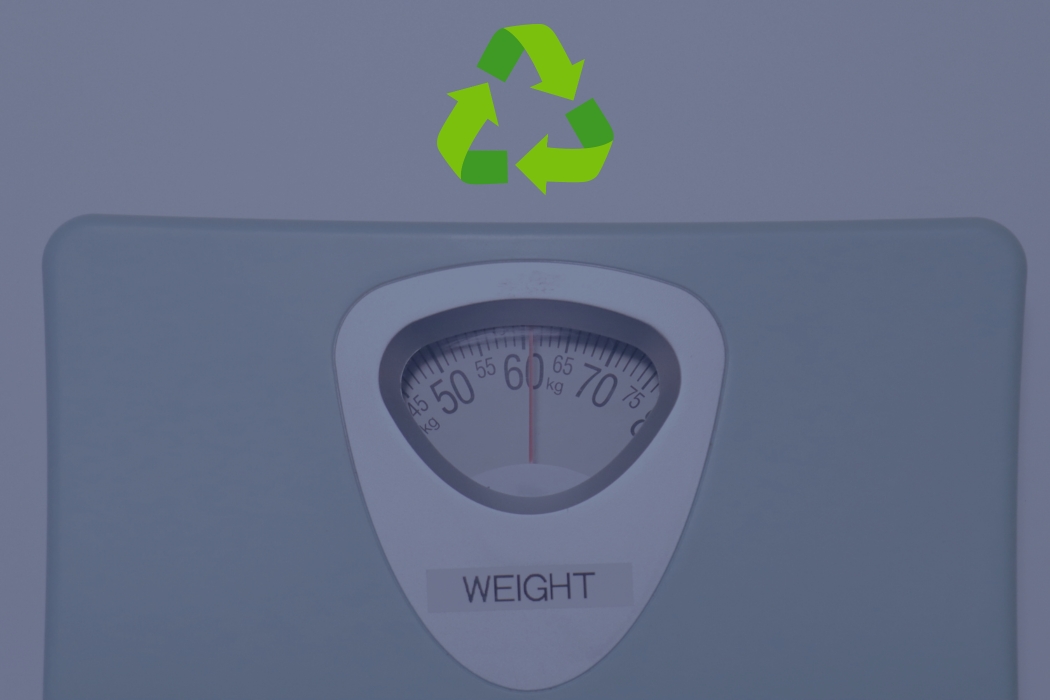
Scale recycling is often overlooked because scales seem small and harmless — but most contain electronics and batteries.
From bathroom scales in homes to heavy industrial floor scales in warehouses, these devices are built with circuit boards, wiring, load cells, and sometimes lithium batteries. That means they qualify as electronic waste.
The problem is simple: many people toss old scales in the trash or scrap pile without realizing there are battery hazards, internal electronics, and in some cases compliance concerns tied to disposal.
EACR Inc. provides licensed electronics recycling for household and commercial scale disposal, helping ensure materials are handled properly and routed through appropriate recycling channels.
This guide explains what scales are made of, why they should be recycled, disposal options that make sense, and what businesses should document when retiring equipment.
What Types of Scales Can Be Recycled?
If it plugs in, runs on batteries, or contains internal sensors, it likely qualifies as e-waste.
Household Scales
Common residential units include:
- Digital bathroom scales
- Kitchen food scales
- Postal or shipping desk scales
- Smart Wi-Fi or Bluetooth health scales
Even compact models contain circuit boards and battery compartments that require proper recycling.
Commercial Scales
Used in retail and office environments:
- Retail checkout scales
- Grocery deli scales
- Shipping and receiving bench scales
- Medical office scales
These units often connect to POS systems or internal networks and contain more complex electronics.
Industrial Scales
Larger systems found in warehouses and manufacturing facilities:
- Floor scales
- Pallet scales
- Truck scales
- Livestock scales
- Laboratory precision scales
Industrial scales may include advanced load cell assemblies, heavy steel platforms, and integrated digital systems.
If it has electronics, wiring, batteries, or load cells — it qualifies as electronic waste.
What is Inside an Electronic Scale?
Understanding what’s inside makes it clear why scale recycling matters.
Circuit Boards
Most electronic scales include:
- Microcontrollers
- Digital display drivers
- Embedded chips
These components manage measurement calculations and digital output.
Load Cells & Sensors
Load cells are the core measuring mechanism and often include:
- Strain gauges
- Aluminum or steel sensor assemblies
These components convert pressure into electrical signals.
Batteries
Depending on the model, scales may use:
- AAA or AA batteries
- Button cell batteries
- Rechargeable lithium-ion batteries in smart scales
Lithium batteries require special handling and should never go to landfill.
Wiring & Metals
Electronic scales contain:
- Copper wiring
- Steel or aluminum frames
- Stainless steel platforms
These metals are recoverable when routed properly.
Plastic Housing & Glass
Common exterior materials include:
- Tempered glass in bathroom scales
- Polymer casings and insulation materials
When discarded improperly, these plastics contribute to landfill waste.
These materials are recoverable and should not be landfilled.
Why Scale Recycling Matters
Scale recycling reduces safety risk, protects data in smart devices, and ensures material recovery.
Battery Fire Risk
Smart and digital scales can contain lithium or button cell batteries.
Risks include:
- Lithium battery puncture hazards
- Improper button cell disposal
- Fire risk in waste facilities
Batteries are a growing source of waste facility fires nationwide.
Data Privacy (Smart Scales)
Smart scales may store or transmit:
- Health and biometric data
- App-connected account information
- Wi-Fi connectivity credentials
Devices should be reset or disconnected before disposal to prevent unauthorized access.
Environmental Impact
Throwing scales in the trash results in:
- Recoverable metals lost to landfill
- Circuit board contamination
- Plastic waste accumulation
Structured recycling allows metals and electronics to be separated and routed appropriately.
Compliance for Businesses
For commercial and industrial facilities, scale disposal is part of equipment lifecycle management.
Proper recycling supports:
- Equipment inventory removal
- Asset tracking updates
- Documentation for disposal
Businesses replacing or upgrading scales should treat disposal as a documented operational process — not an afterthought.
How to Recycle Household Scales
Recycling a household scale is simple if you follow a few steps.
Step 1: Remove Batteries
Before anything else:
- Remove all batteries from the unit
- Separate alkaline from lithium batteries
- Route batteries through an appropriate battery recycling program
Lithium and button cell batteries should never go in the trash.
Step 2: Confirm Acceptance
Not all drop-off sites accept every device, so confirm first.
Options typically include:
- Electronics recycling drop-off locations
- Municipal e-waste collection events
- A licensed electronics recycler
Bathroom scales, kitchen scales, and smart scales all qualify as small electronics.
Step 3: Deliver to an Approved Recycler
Once batteries are removed and acceptance is confirmed:
- Bring the scale to the approved location
- Do not dismantle the unit at home
- Avoid placing it in curbside trash
Routing it properly ensures circuit boards and metals are handled correctly.
Commercial & Industrial Scale Recycling
Larger or business-owned scales require more planning than a household unit.
Best-Fit Scenarios
Scale recycling is common during:
- Retail upgrades
- Grocery remodels
- Warehouse equipment refreshes
- Laboratory equipment replacement
- Healthcare scale upgrades
When equipment is replaced, disposal should be coordinated — not improvised.
Removal Considerations
Commercial and industrial units may involve:
- Heavy equipment logistics
- Disconnection from power systems
- Calibration data reset
- Floor-mounted or bolted installations
Industrial scales can weigh hundreds or thousands of pounds and may require professional removal.
Documentation
For businesses, disposal should be documented.
Recommended records include:
- Pickup or service records
- Updated asset logs
- Certificates of recycling when applicable
This protects your organization during audits, internal reviews, or equipment tracking reconciliation.
Bulk Pickup for Businesses
Bulk pickup makes sense when multiple scales are being retired at once.
Ideal For
- Retail chains
- Grocery stores
- Distribution centers
- Manufacturing plants
- Property management companies
If multiple sites are involved, centralized coordination reduces confusion.
Benefits
Bulk recycling supports:
- Centralized collection
- Controlled battery handling
- Reduced liability exposure
- Streamlined removal during renovations
Instead of piecing together disposal site by site, bulk pickup creates a controlled process.
Frequently Asked Questions About Scale Recycling
Can you throw away a bathroom scale?
No. Digital bathroom scales contain circuit boards and batteries and should be recycled as electronic waste.
Are digital scales considered e-waste?
Yes. Any scale with internal electronics qualifies as e-waste.
Do scales contain lithium batteries?
Some do, especially smart Wi-Fi or Bluetooth models. Others use alkaline or button cell batteries. Always check before disposal.
Can commercial floor scales be recycled?
Yes. Commercial and industrial scales can be dismantled and routed through proper electronics and metal recycling channels.
Does EACR Inc. accept industrial equipment?
Yes. EACR Inc. provides licensed electronics recycling for commercial and industrial equipment, including scales.
Is bulk pickup available?
Yes. Bulk pickup is available for businesses retiring multiple units or managing equipment upgrades.
Conclusion
Scales may look simple, but they contain circuit boards, batteries, and recoverable metals that should not go to landfill. Proper scale recycling reduces fire risk, prevents environmental contamination, and ensures smart devices are handled responsibly.
If you are replacing household, commercial, or industrial scales, work with a licensed electronics recycling company like EACR Inc. to ensure safe handling, compliant processing, and responsible material recovery.