

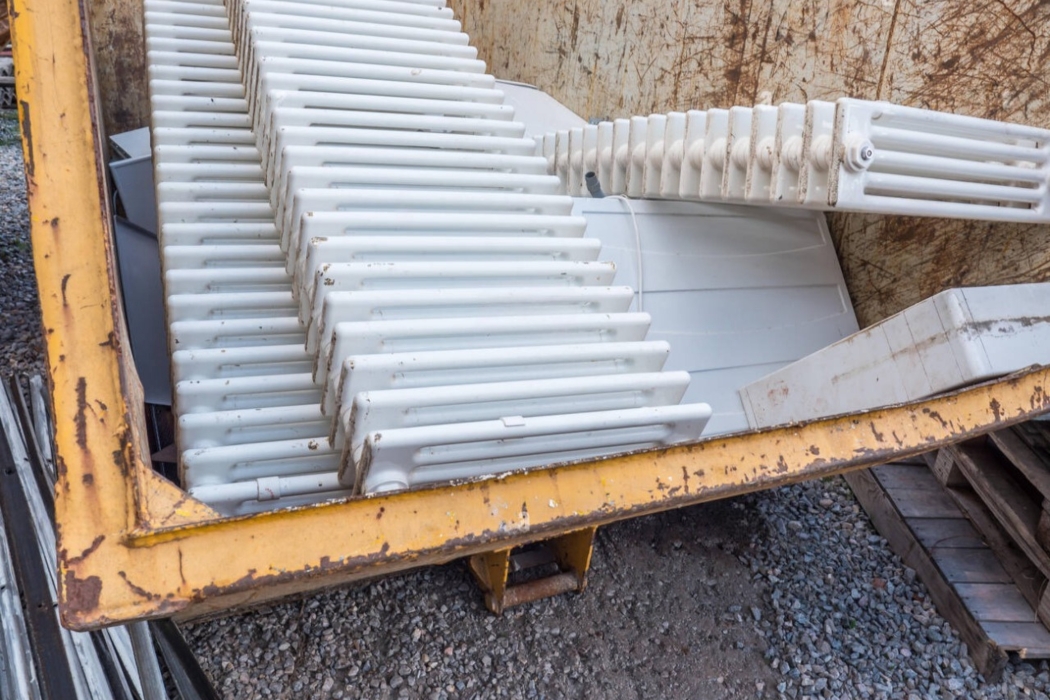
Radiator recycling is more important today than ever, with millions of cars, HVAC systems, and industrial units being replaced each year. Every radiator contains a mix of metals, fluids, and plastics that can’t just be tossed in the trash. Left unchecked, these materials can pollute the environment and waste resources.
The solution is simple: recycling. Radiator recycling ensures reusable metals are recovered, toxic substances are handled safely, and both individuals and businesses stay compliant with environmental laws.
In this guide, we’ll cover why radiator recycling matters, what’s inside a radiator, where to recycle, the recycling process, and why working with a licensed electronics recycler like EACR Inc. is the safest choice.
Why Radiator Recycling Matters
Environmental Benefits
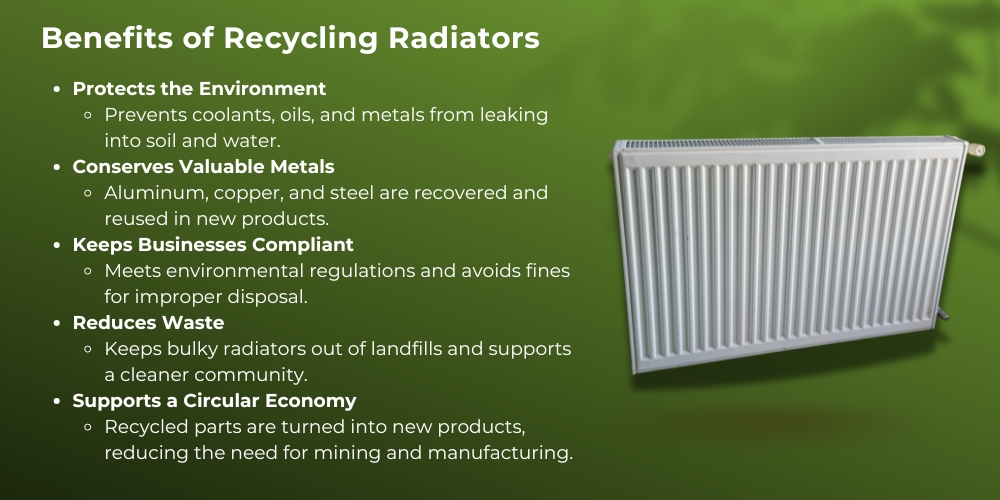
Radiators often contain oils, coolants, and metals that can seep into soil or water if left in a landfill. Recycling prevents this contamination and ensures harmful substances are properly processed.
Conservation of Materials
Radiators are built with highly reusable metals like aluminum, copper, and steel. Recycling keeps these resources in circulation, reducing the need for new mining and lowering the environmental footprint of manufacturing.
Legal Requirements
In many states, throwing a radiator into the trash isn’t just careless—it’s illegal. Regulations around antifreeze, coolants, and electronic parts mean proper recycling isn’t optional, it’s mandatory. Choosing radiator recycling ensures you avoid fines and do the right thing for the planet.
What’s Inside a Radiator? (And Why It’s Recyclable)
Metals
Radiators are packed with recyclable metals—aluminum cores, copper tubing, and steel frames. These materials are easy to recover and reuse in new products.
Coolants
Inside every radiator is a coolant, like antifreeze or refrigerant. These fluids must be handled carefully by professionals since they can be hazardous if released into the environment.
Plastic Components
End tanks, caps, and casings are usually plastic. While not as resource-rich as metals, they can still be recycled when processed correctly.
Electronics (in Modern Radiators)
Today’s radiators sometimes include electronic sensors, fans, and wiring. These parts contain copper and circuit components that can also be recovered during the recycling process.
Can All Types of Radiators Be Recycled?
Radiator recycling applies to more than just cars. Whether it’s an old vehicle, a home heating system, or industrial machinery, almost every radiator can be recycled if handled properly.
Automotive Radiators
Car and truck radiators are some of the most commonly recycled. Older models often contain copper and brass, while modern versions are mostly aluminum. Both types are in high demand for reuse and can be broken down easily by recyclers.
HVAC Radiators (Heating & Cooling Units)
Radiators in HVAC systems are a little more complex because they contain refrigerants and oils. These substances must be handled by electronics recyclers. Once the fluids are safely removed, the aluminum and steel components can be recovered and reused.
Industrial & Heavy Equipment Radiators
Large machines in construction, agriculture, and manufacturing rely on oversized radiators. These are metal-rich and perfect for recycling but require specialized equipment to transport and dismantle. Licensed electronics recyclers like EACR Inc. are equipped to handle them safely.
The Radiator Recycling Process Step by Step
Radiator recycling is a straightforward process when done the right way. Here’s how it works from start to finish:
Collection
The first step is gathering the radiator, whether through a drop-off program, curbside collection, or a scheduled business pickup.
Fluid Removal
Coolants, oils, and other fluids are carefully drained and stored for safe disposal or treatment. This step ensures harmful substances don’t leak into the environment.
Disassembly
The radiator is taken apart, separating metals, plastics, wiring, and any electronic components for proper processing.
Material Recovery
Reusable metals like copper, aluminum, and steel are recovered and sent to smelters or manufacturers where they can be melted down and turned into new products.
Where to Recycle a Radiator Near You
Licensed Electronics Recycling Facilities
The safest option is always a professional electronics recycler that can legally process metals and electronics. These facilities have the tools and permits needed to handle radiators correctly.
Auto Shops & Junkyards
Many auto repair shops and salvage yards accept old radiators, especially from vehicles. While not all are equipped to remove fluids, some will collect them for scrap value.
Municipal Drop-Off Events
Some towns and counties run appliance and e-waste collection days where residents can drop off radiators for safe recycling. Always check the guidelines before showing up.
Partnering with EACR Inc.
For individuals and businesses in New Jersey, New York, Pennsylvania, and surrounding areas, EACR Inc. makes radiator recycling easy. With a licensed facility in Lakewood, NJ, they offer drop-off, e-waste containers, and bulk pickup programs for auto shops, HVAC contractors, and industrial facilities.
Radiator Recycling for Businesses
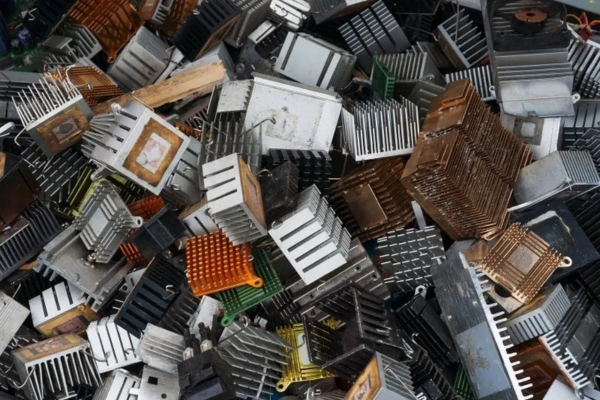
Radiator recycling isn’t just for individuals—it’s essential for businesses too.
Auto Repair Shops
Shops often replace radiators during service jobs. Recycling them not only keeps the work area clear but also ensures metals and fluids are handled safely.
HVAC Contractors
Every heating or cooling replacement comes with old radiators that need to be disposed of. Partnering with a licensed recycler makes it simple to stay compliant while keeping projects on schedule.
Industrial Facilities
Large operations with heavy equipment rely on oversized radiators. Recycling these units responsibly helps facilities meet environmental standards and reduce waste.
Certificates of Recycling
Businesses benefit from official documentation that proves compliance. Certificates of Recycling from EACR Inc. provide peace of mind and are useful for proof of recycling.
Why You Should Never Throw a Radiator in the Trash
Environmental Hazard
Coolants and oils inside radiators can leak into soil and waterways if dumped in a landfill, creating long-term damage.
Lost Resources
Radiators contain reusable metals like aluminum, copper, and steel. Throwing them away means wasting materials that could be recycled into new products.
Legal Risks
In many states, tossing a radiator in the garbage violates disposal laws. Fines or penalties can follow if fluids and metals aren’t processed properly.
Tips for Preparing a Radiator for Recycling
Drain Coolant
Safely drain any antifreeze or coolant before transporting the radiator. Collect the fluid in a sealed container for proper disposal.
Remove Hoses/Fans
Detach extra parts like hoses, fans, or sensors to make recycling easier. Some facilities may request these be removed in advance.
Store Safely
Keep the radiator in a secure spot where it won’t leak or spill fluids. A plastic bin or tray works well during storage or transport.
Why Choose EACR Inc. for Radiator Recycling
Licensed Facility in NJ
EACR Inc. operates a licensed electronics recycling facility in Lakewood, NJ, with the expertise to handle radiators safely and legally.
Zero-Landfill Policy
Their zero-landfill commitment means every recyclable material is recovered, keeping harmful waste out of landfills.
Bulk Programs
From container services to scheduled pickups, EACR Inc. makes radiator recycling easy for businesses handling multiple units.
Regional Service Area
Proudly serving the Northeast, EACR Inc. provides scalable electronics recycling solutions across the region.
Conclusion
Radiator recycling protects the environment, conserves reusable metals, and keeps you compliant with local and federal laws. Whether you’re a homeowner replacing one unit or a business managing dozens, the process is simple when handled the right way.
Contact EACR Inc. today to recycle your radiators safely and responsibly.
Frequently Asked Questions
Recycle them through a licensed facility that can safely process metals and fluids.
Most car radiators last 8–10 years, while HVAC and industrial radiators depend on usage and maintenance.
Common metals include aluminum, copper, brass, and steel.
Licensed electronics recyclers like EACR Inc. offer container programs and bulk pickup services for businesses and contractors.