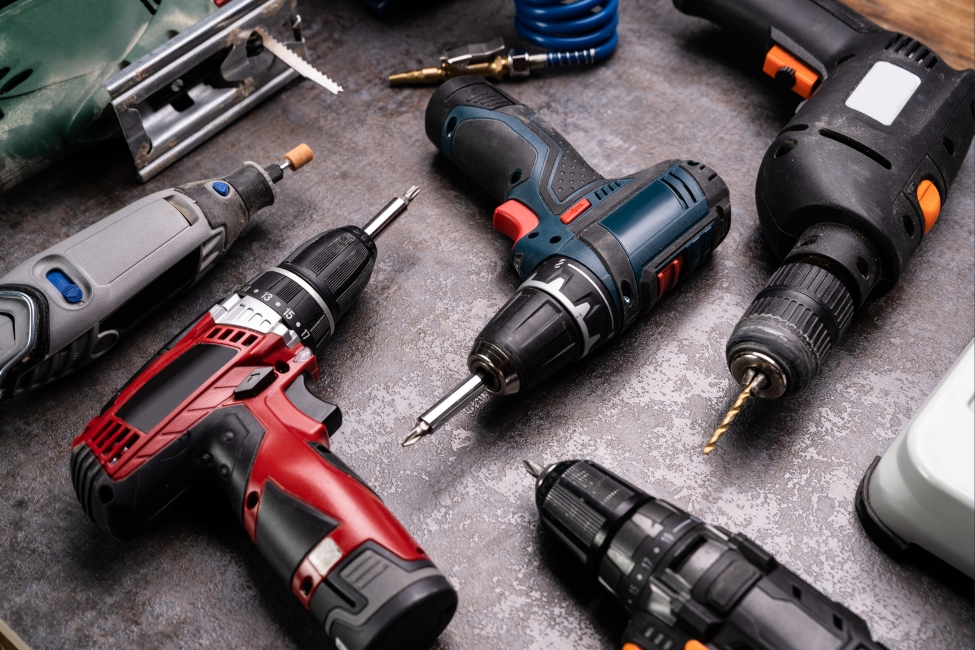
Power tools recycling is the process of safely collecting, dismantling, recycling and reusing parts from old or broken tools instead of throwing them away. From drills to saws, these everyday items often contain metals, plastics, and batteries that can be harmful to the environment if left in landfills.
Why does it matter now more than ever? Electronic waste is one of the fastest-growing waste streams worldwide, and power tools are a part of that problem. By recycling, we not only reduce harmful waste but also recover reusable resources that can be used again.
In this guide, we’ll break down why recycling power tools is so important, what types of tools can be recycled, and what materials inside them can be repurposed. You’ll also learn about the benefits of responsible recycling and the larger role it plays in electronics recycling as a whole.
Why Recycling Power Tools Matters
Recycling power tools is more than just a way to clear out your garage — it’s a step toward protecting the planet.
- Environmental impact: Old tools often end up in landfills where plastics and batteries can leak harmful chemicals. Recycling ensures these materials are processed correctly.
- E-waste growth: Power tools are part of the expanding global e-waste problem. As more devices are built with electronics and batteries, their disposal requires extra care.
- Resource conservation: Many power tools contain copper wiring, steel, aluminum, and rechargeable batteries. Recycling allows these materials to be extracted and reused instead of mining new ones.
Simply put, every tool that gets recycled helps reduce waste and saves resources for the future.
What Types of Power Tools Can Be Recycled?
Almost every power tool has components that can be recycled, even if the tool no longer works.
- Corded tools: Drills, saws, sanders, and grinders are common household tools that can be dismantled for their wiring, motors, and metal casings.
- Cordless tools: Battery-powered drills, drivers, and even lawn equipment like hedge trimmers or weed eaters often have recyclable batteries and metal parts.
- Gas-powered tools with electronics: Modern leaf blowers, chainsaws, and trimmers often contain electronic ignition systems and wiring that qualify as e-waste.
- Large shop tools: Table saws, planers, lathes, and other heavy-duty shop equipment are packed with motors, steel, and electronic controls that can be recycled.
The bottom line: whether it’s a handheld drill or a bulky table saw, most power tools — working or not — still contain materials that can and should be recycled.
Parts Inside Power Tools That Can Be Recycled
Power tools recycling isn’t just about tossing an old drill into a bin — it’s about recovering the reusable parts inside. Every tool has components that can be reused or repurposed.
- Batteries: Many power tools run on lithium-ion, nickel-cadmium, or lead-acid batteries. These can’t go in the trash, but they can be recycled to recover metals and prevent toxic leaks.
- Metals: Copper wiring, aluminum frames, and steel casings are commonly found in tools and can easily be melted down and reused.
- Plastics: Durable housing and handles can be processed and repurposed into new plastic products.
- Electronics: Circuit boards, switches, and sensors inside modern tools contain small amounts of lead within the soldering
- Motors: Motors contain copper and steel, which are in high demand for manufacturing and energy industries
How to Recycle Old Power Tools
Recycling your power tools doesn’t have to be complicated. Here are the main options:
Manufacturer Take-Back Programs
Some major tool brands offer take-back or trade-in programs. You return your old tools, and the manufacturer makes sure the parts are properly recycled or reused.
Municipal Collection Events
Your town or city may host e-waste collection events. These events often accept small appliances, including power tools, and ensure they’re sent to the right recycling facilities.
Licensed Electronics Recycling Centers
Working with a licensed electronics recycling center is the most reliable option. They handle everything from separating metals to disposing of batteries safely.
Benefits of Recycling Power Tools
Power tools recycling comes with a list of benefits that go beyond just clearing space in your garage.
- Environmental benefits: Recycling keeps plastics, metals, and batteries out of landfills, reducing pollution and conserving natural resources.
- Economic benefits: Recovered materials like copper and steel re-enter the supply chain, reducing the need for expensive raw material extraction.
- Safety benefits: Proper recycling of lithium-ion batteries prevents dangerous leaks and fire risks.
- Community benefits: Recycling supports local jobs and programs while building a stronger, cleaner community.
The Link Between Power Tools Recycling and Electronics Recycling
Power tools recycling is really just one part of the larger world of electronics recycling. Because many tools now contain rechargeable batteries, motors, and circuit boards, they qualify as electronic waste, or e-waste.
That means they can’t be tossed in the regular trash without creating serious risks. Batteries can leak harmful chemicals or even spark fires, while circuit boards contain heavy metals that pollute soil and water if not handled correctly.
Electronics recycling ensures these components are broken down safely and recycled. It’s the same process used for recycling cell phones, laptops, and other electronics — designed to recover reusable materials while protecting the environment.
Common Questions About Power Tools Recycling
Yes. Whether corded, cordless, or even gas-powered with electronic components, nearly every power tool has recyclable parts like metals, plastics, and batteries.
You can take them to municipal e-waste collection events, manufacturer take-back programs, or a licensed electronics recycling center that accepts power tools.
Recyclers dismantle tools, recover metals like copper and steel, process plastics, and safely handle or repurpose batteries. These materials re-enter supply chains to be used again.
Absolutely. Lithium-ion, nickel-cadmium, and lead-acid batteries are all recyclable — but they must be handled properly to avoid leaks or fire hazards.
Yes. If your tools are still functional, donating or reselling them is a great option. Recycling is the best path only once they’ve reached the end of their life.
Final Thoughts on Recycling Power Tools
Recycling power tools isn’t just a convenient way to clear clutter — it’s a responsible choice that protects the environment, conserves natural resources, and keeps communities safe. Throwing tools in the trash may seem easier, but it leads to wasted materials and unnecessary pollution.
By choosing recycling over disposal, you support sustainability, reduce fire and safety risks, and help save resources like copper and steel find new life. Ready to get started? Contact a licensed electronics recycler like EACR Inc. for safe and reliable power tools recycling today.