NiMH battery recycling is the proper handling and processing of nickel-metal hydride batteries through licensed electronics recycling programs instead of tossing them in the trash. While these batteries are common and widely used, they are still rechargeable electronic waste and require responsible end-of-life management.
A major misconception is that NiMH batteries are “safe enough” to throw away because they don’t contain cadmium like NiCad batteries. While they are less toxic, they are not harmless. NiMH batteries still contain metals and components that can contaminate the environment or create safety risks if they’re crushed, landfilled, or mishandled.
This guide explains what NiMH batteries are, where they’re commonly used, the environmental and safety risks of improper disposal, and how responsible recycling works. Throughout the guide, we’ll also highlight how EACR Inc., a licensed electronics and battery recycling provider, safely manages NiMH batteries for individuals, businesses, and institutions.
What is a Nickel-Metal Hydride (NiMH) Battery? (Battery chemistry and design)
How NiMH Batteries Work
NiMH batteries store and release energy using a nickel oxyhydroxide positive electrode and a hydrogen-absorbing metal alloy negative electrode. This chemistry allows them to be rechargeable and deliver higher energy density than older NiCad batteries.
They were designed for repeated charge cycles and long service life—not single-use disposal. Once they can no longer hold a reliable charge, proper recycling becomes essential to prevent environmental and safety issues.
How NiMH Batteries Differ From Other Battery Types
- Compared to NiCad batteries: NiMH batteries do not contain cadmium, but they are still regulated. They offer higher capacity and are less toxic, though not non-toxic, which means controlled recycling is still required.
- Compared to lithium batteries: NiMH batteries generally carry a lower fire risk but are heavier and less energy dense. They don’t eliminate disposal concerns—they simply pose different ones.
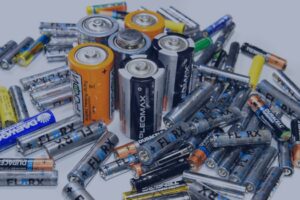
- Compared to alkaline batteries: NiMH batteries are rechargeable and contain recoverable metals and regulated components. They should never be treated like single-use household batteries.
Where Are NiMH Batteries Commonly Found?
Consumer & Household Applications
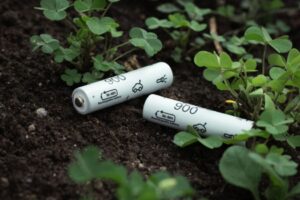
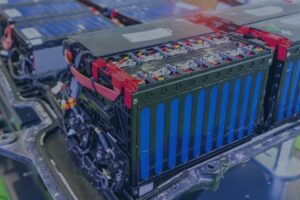
NiMH batteries are widely used in everyday devices, including rechargeable AA and AAA batteries, digital cameras, cordless phones, toys, and handheld electronics. Older hybrid vehicles also rely on large NiMH battery packs, many of which are now reaching end of life as technology advances.
Commercial & Industrial Uses
In commercial and industrial settings, NiMH batteries are found in medical equipment, emergency lighting systems, backup power applications, industrial tools, monitoring devices, and certain transportation and mobility systems. These environments often generate batteries in bulk, making proper recycling even more important.
Why NiMH Batteries Should Not Be Thrown in the Trash
Environmental Risks of Improper Disposal
When NiMH batteries are landfilled, metals can leach into soil and groundwater over time. Battery casings degrade slowly, creating long-term contamination risks that persist well after the battery is out of sight.
Fire and Facility Safety Concerns
Rechargeable batteries can short-circuit when crushed or compacted. This creates real fire risks in garbage trucks, transfer stations, and waste facilities. Improper disposal also damages recycling infrastructure and puts workers at risk.
Regulatory and Compliance Considerations
Many states restrict rechargeable batteries from being landfilled. For businesses and institutions, improper disposal can lead to liability, fines, and cleanup costs. Recycling NiMH batteries through licensed programs is the safest and most responsible option for staying compliant while protecting people and the environment.
Environmental Impact of Improper NiMH Battery Disposal
NiMH battery recycling plays a critical role in reducing the environmental damage caused when rechargeable batteries are tossed into the trash instead of handled properly. While NiMH batteries are often seen as “cleaner” than older chemistries, improper disposal still creates real environmental consequences.
When NiMH batteries end up in landfills, metals can leach into soil and groundwater over time. Recoverable materials are permanently lost, landfill volume increases, and additional mining and manufacturing are required to replace materials that could have been reused. These batteries also persist in the environment far longer than most people realize, turning a small disposal choice into a long-term impact.
The NiMH Battery Recycling Process (How licensed recycling works)
Step 1: Collection
Responsible recycling begins with safe collection. Individuals can use designated drop-off locations, while businesses and institutions rely on secure battery containers placed on-site. For facilities generating larger volumes, bulk pickup programs provide a controlled way to move batteries out of circulation without risk.
Step 2: Sorting & Identification
Once collected, batteries are carefully sorted to separate NiMH batteries from lithium, NiCad, and alkaline types. Damaged or leaking units are identified early, and safety protocols are used to prevent exposure, short-circuiting, or ignition during handling.
Step 3: Processing
NiMH batteries are processed in controlled environments. Units are separated to be either reused or recycled. This step prepares materials for recovery while allowing for the reuse of functional batteries.
Step 4: Material Recovery
Recovered materials are routed responsibly. Nickel is captured for industrial reuse, metal alloys are reclaimed, and plastics are processed where applicable. No materials are sent to landfills—everything is managed through approved downstream channels.
What Materials Are Recovered From NiMH Batteries?
NiMH battery recycling allows several materials to be recovered and reused, including nickel, steel and metal casings, metal hydride alloys, and certain plastics when they can be processed safely.
This recovery matters because it reduces demand for raw mining, limits environmental disruption from extraction and processing, and keeps materials in circulation instead of wasting them in landfills.
Recycling Options Available Through EACR Inc.
NiMH battery recycling is only effective when it’s accessible and handled correctly, which is why EACR Inc. offers flexible programs for individuals, businesses, and institutions.
For Individuals
Recycling NiMH batteries doesn’t need to be complicated. EACR Inc. provides convenient drop-off options for small quantities, allowing individuals to recycle responsibly without dismantling or special preparation beyond basic safety steps.
For Businesses & Institutions
Organizations that generate larger volumes of rechargeable batteries can take advantage of secure e-waste collection containers and scheduled pickup services. Bulk NiMH battery recycling programs are designed for offices, schools, healthcare facilities, and industrial sites. Documentation is provided to support compliance, reporting, and internal recordkeeping.
How to Prepare NiMH Batteries for Recycling
Preparing batteries properly helps reduce risk before they enter the recycling stream. Do not crush or puncture NiMH batteries. Taping terminals is recommended when possible to prevent short-circuiting. Store batteries in a cool, dry container, keep them separate from lithium batteries, and group multiple units together for efficient handling and transport.
Why Work With a Licensed Battery Recycling Company
Working with a licensed battery recycler ensures proper handling and regulatory compliance at every stage. Batteries are processed in controlled environments designed to protect workers, facilities, and the environment. For organizations, licensed recycling reduces risk, prevents improper disposal, and clearly separates responsible recycling from unsafe landfill practices.
NiMH Battery Recycling FAQs
Can NiMH batteries go in the trash?
No. NiMH batteries are rechargeable electronic waste and should never be placed in household trash or dumpsters.
Are NiMH batteries hazardous waste?
NiMH batteries are regulated rechargeable batteries. While they do not contain cadmium, improper disposal can still create environmental and safety risks.
How are NiMH batteries different from NiCad batteries?
NiMH batteries do not contain cadmium, making them less toxic than NiCad batteries, but they still require proper recycling due to their metal content and rechargeability.
Do NiMH batteries require special recycling?
Yes. NiMH batteries must be recycled through licensed electronics and battery recycling programs equipped to handle rechargeable battery chemistries.
Can businesses recycle large quantities of NiMH batteries?
Yes. Businesses and institutions can recycle bulk quantities through secure collection containers, scheduled pickups, or coordinated recycling programs.
Does EACR Inc. provide recycling documentation?
Yes. EACR Inc. provides recycling documentation to support compliance, reporting, and internal recordkeeping.
Conclusion: Recycle NiMH Batteries the Right Way
NiMH batteries are rechargeable electronic waste—not something to toss in the trash. Improper disposal creates unnecessary environmental and safety risks, while responsible recycling keeps materials in circulation and protects ecosystems. EACR Inc. provides trusted NiMH battery recycling services for individuals, businesses, and institutions. Schedule a pickup, arrange a drop-off, or request recycling services today to handle NiMH batteries the right way.