LiFePO4 battery recycling starts with one simple idea: these batteries are built for serious work, so end-of-life handling can’t be casual. LiFePO4 (lithium iron phosphate) packs are showing up everywhere—especially in solar energy storage, backup power setups, and newer equipment that needs long cycle life.
The good news is that recycling is straightforward when you identify what you have, stage it safely, and route it through the right program. This guide covers how to recognize LiFePO4 batteries, how to store them without creating risk, what recycling options exist, and what documentation to keep for your records.
What is a LiFePO4 Battery?
A LiFePO4 battery is a lithium-ion battery that uses lithium iron phosphate as the cathode material. In plain English: it’s a lithium battery chemistry known for being stable, durable, and well-suited for applications where reliability matters more than squeezing out maximum voltage.
People like LiFePO4 because it tends to offer strong cycle life, consistent performance, and a safer operating profile compared to some other lithium chemistries. It’s often a “workhorse” battery—especially in energy storage.
The tradeoff is that LiFePO4 behaves a little differently than other lithium-ion types. Voltage characteristics vary, and packs aren’t all built the same. Two batteries can both be “LiFePO4” but look totally different depending on whether they’re a rack module, a wall-mounted unit, or a portable pack.
Where LiFePO4 shows up in the real world
Solar energy storage (home + commercial): This is the big one. LiFePO4 is common in solar battery banks because cycle life and stability matter in daily charge/discharge use.
Backup power: You’ll also see LiFePO4 used in certain UPS setups, telecom cabinets, and other critical systems depending on the site and equipment spec.
Mobility and equipment packs: Some mobility systems and industrial equipment use LiFePO4 packs for longer life and predictable output, but it’s very application-dependent.
LiFePO4 vs “lithium-ion” vs “lithium metal”
“Lithium-ion” is a category, not a single battery type. LiFePO4 is one lithium-ion chemistry, but there are other common ones too, and they don’t all handle the same way at the end of life.
“Lithium metal” is different again—often used in certain primary (non-rechargeable) battery types. Bottom line: don’t guess. Confirm the exact chemistry before staging, packaging, or transport so the batteries are handled under the right safety and logistics rules.
Why LiFePO4 Battery Recycling Matters
These are not regular trash items. Risk goes up fast when batteries are crushed, shorted, or left sitting in a storage area for months “until someone has time.” Even stable chemistries can become a problem when physical damage, terminal contact, or bad staging enters the picture.
Recycling matters for environmental reasons too. Batteries don’t belong in landfills or unmanaged scrap streams—both because of the materials involved and because the containment and processing controls aren’t designed for batteries. Read our guide on the environmental impact of batteries.
For businesses and institutions, there’s also the operational side: safer storage areas, fewer incidents during maintenance and changeouts, and cleaner records when you need to show what happened to end-of-life material.
If you’re sitting on end-of-life batteries, our battery recycling services can help you set up a safe pickup and the paperwork trail your team needs.
How to Identify a LiFePO4 Battery
Start with the label. The fastest, most defensible approach is confirming the chemistry callout (LiFePO4 or LFP), plus key specs like voltage, Ah/Wh rating, and a part number or model identifier.
You’ll usually find the label on the battery casing or pack label. In solar setups, you may also see references in the inverter documentation, battery management system paperwork, or install manuals. If the battery is integrated into a cabinet or wall unit, look for a manufacturer plate or spec sticker.
If you can’t confirm chemistry, treat it as “unknown lithium.” That means isolate it from other batteries, keep it protected, and don’t mix it into general battery loads until it’s identified.
Quick label checklist
- Chemistry/type: LiFePO4 / LFP
- Voltage and capacity markings: volts + Ah or Wh
- Warnings/symbols: handling icons, safety notes, compliance marks
- Pack format: module vs standalone battery vs integrated system
Common LiFePO4 Battery Formats in Solar Systems
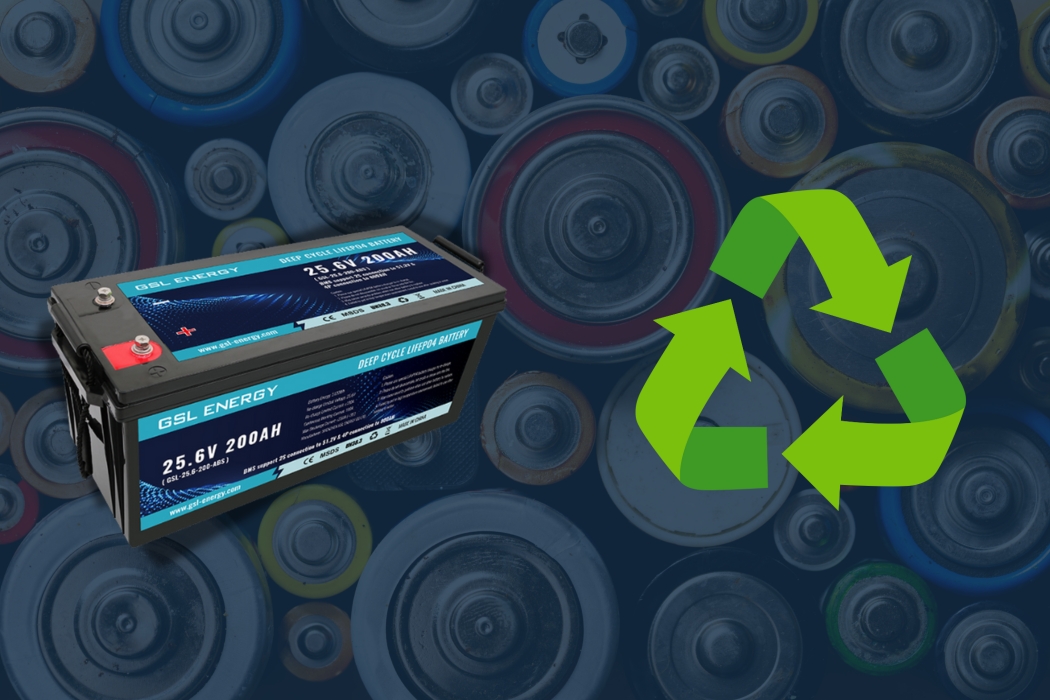
In solar, “battery” usually means more than a couple of AAs—it’s typically a larger-format pack designed for daily cycling and energy storage. Common formats include rack-mounted modules, wall-mounted home batteries, and cabinet-style commercial packs.
End-of-life triggers in solar are usually practical: noticeable capacity drop, system upgrades, warranty replacements, storm damage events, or full site decommissioning. The batteries might still “work,” but they no longer meet performance needs or system compatibility requirements.
Solar sites need a plan because the logistics are real. These batteries can be heavy, bulky, and difficult to move safely without the right staging approach. “We’ll just drop it somewhere later” is how batteries end up damaged, mixed, or stored in risky conditions.
If this is tied to a solar project, we can coordinate solar battery recycling services alongside solar panel recycling services so the whole system is handled through one plan.
Lifepo4 battery recycling is only “easy” when storage, staging, and removal are handled like a safety job—not an afterthought.
Safety First: Storage and Staging Before Recycling
Keep LiFePO4 batteries dry, stable, and protected from impact. Most problems happen before pickup: packs get bumped, terminals touch, or units get stacked in ways that invite damage.
Prevent terminal contact/shorting using insulating methods that fit the pack. Depending on the format, that may mean terminal covers/caps, keeping packs in original packaging, or using non-conductive separators so nothing metal can bridge contacts.
Separate by condition:
- Intact batteries: stage together, consistently.
- Damaged/swollen batteries: isolate immediately and keep them clearly marked and physically separated.
Choose a staging area that’s out of traffic (no forklifts clipping corners), away from heat or ignition sources, and not in a spot where materials get piled on top “temporarily.”
And don’t stockpile indefinitely. The longer batteries sit around, the more likely they get mishandled. Schedule removal while the project is still active and organized.
What not to do
- Don’t toss packs into metal dumpsters or mixed scrap.
- Don’t mix chemistries together “because they’re all batteries.”
- Don’t crush, puncture, dismantle, or try to “make it fit” in a smaller bin.
How to Prepare LiFePO4 Batteries for Recycling
Step 1: Inventory what you have
Do a quick inventory that’s actually useful:
- Count units (or estimate for large quantities).
- Record location(s) and who owns the staging area.
- Note form factor: rack modules vs standalone packs vs cabinet/wall units.
- Flag damaged units so they’re handled as a controlled subset, not discovered at pickup.
Step 2: Package for safe movement
Small quantities: use contained, non-metal packaging that prevents shifting and contact. The goal is simple: nothing moves, nothing touches, nothing gets punctured.
Bulk quantities: build stable palletized loads. Separate by type and condition (intact vs damaged), keep stacks stable, and avoid “loose pile” handling that leads to crushed packs.
Step 3: Label and document
Keep it basic and consistent:
- Quantity
- Type (LiFePO4 / LFP if confirmed)
- Location/site
- Point of contact
Clearly mark damaged units so they’re handled deliberately, not mixed into the normal load.
LiFePO4 Battery Recycling Options
- Drop-off (small quantities): fine for a small cleanout, but not ideal for bulk loads or organizations that need strong documentation.
- Scheduled pickup (bulk): best for solar installs, facilities, upgrades, and decommissions.
- Ongoing program (recurring generation): best for multi-site operators and maintenance cycles where batteries come out on a predictable schedule.
What Happens After Collection (High Level)
After collection, the core goals are consistency and control:
- Sorting and consolidation by chemistry and condition so loads don’t become mixed-risk.
- Controlled processing appropriate to the battery type.
- Materials are routed into reuse pathways where possible, and residues are managed through approved downstream channels rather than unmanaged disposal.
Laws and Compliance Basics (Practical, Not Legalese)
Rules vary because most requirements are state-by-state and program-by-program, and logistics expectations can change based on quantity, packaging, and transport method.
For commercial moves, packaging and transport are typically DOT-oriented: the emphasis is on preventing shifting, damage, and contact during handling and transit.
Documentation protects the generator. It supports audits, internal controls, and ESG reporting—and it reduces the “we think it was recycled” problem.
Records to keep
- Pickup/service record (date, location, quantity)
- Battery type and condition notes
- Certificates of recycling
Common Mistakes to Avoid
- Mixing LiFePO4 packs into mixed battery containers
- Storing loose packs where they get crushed
- Ignoring damaged/swollen units instead of isolating them
- Waiting until “end of project” to figure out removal logistics
FAQs About LiFePO4 Battery Recycling
Can LiFePO4 batteries go in the trash?
No. The safe default is recycling through a proper battery program. Trash disposal increases risk during hauling and processing, and it routes batteries into unmanaged waste streams.
Are LiFePO4 batteries different from other lithium-ion batteries?
Yes. LiFePO4 is one lithium-ion chemistry, but lithium-ion isn’t one uniform thing. Confirm the chemistry so staging and routing match the battery type.
What’s the safest way to stage solar batteries for pickup?
Stage them dry, stable, and protected from impact; prevent terminal contact; isolate any damaged units; and keep the staging area away from traffic and heat.
Do I need special packaging for transport?
For commercial quantities, yes—packaging needs to prevent movement, contact, and damage. The exact method depends on pack format and condition, but “secure and separated” is the baseline.
What documentation should my organization keep?
Pickup records, battery type/condition notes, and certificates of recycling.
Conclusion
LiFePO4 battery recycling comes down to fundamentals: identify the battery, stage it safely, isolate damaged units, use a real recycling stream, and keep documentation.
When you’re ready, contact us to set up a LiFePO4 pickup through our battery recycling services—and if it’s a solar site, we’ll align it with solar battery recycling so removal, staging, and documentation stay simple. Contact EACR Inc. today to get started.