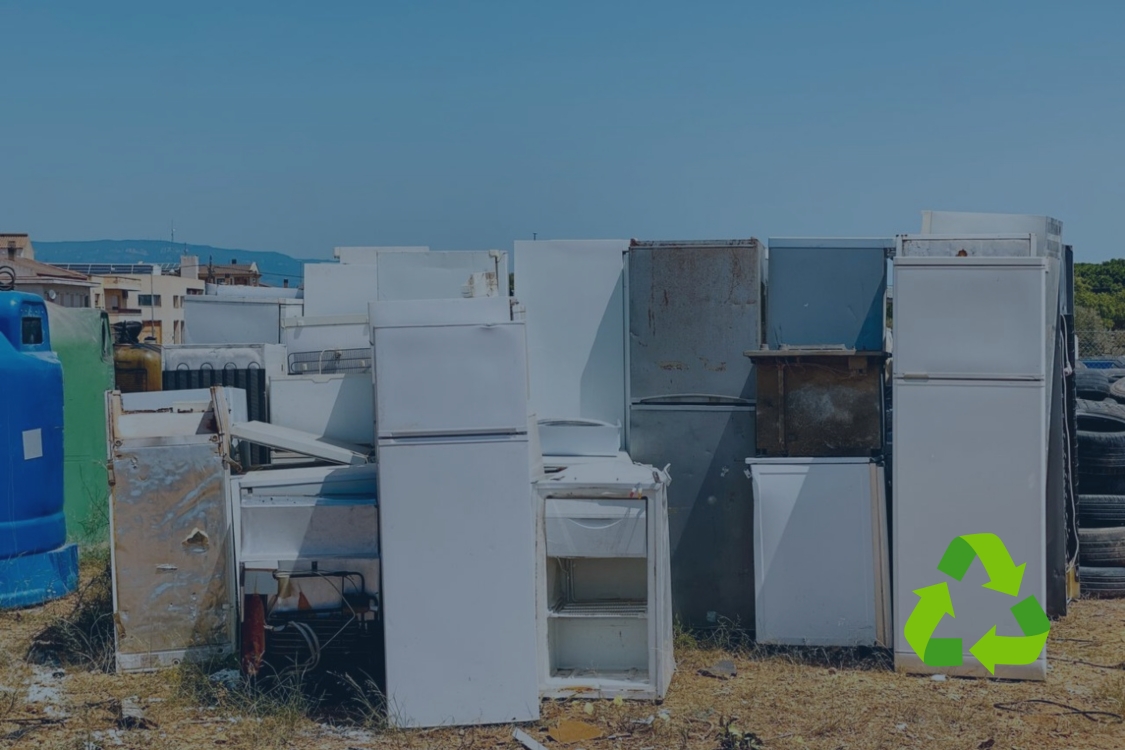
Mini fridges are not regular trash. Even though they’re small, they’re still refrigerators — which means they contain refrigerants like R-134a or R-600a, internal electronics, insulation foam, and metal components.
That combination makes them regulated appliances, not household waste.
Here’s what’s inside:
- Refrigerant gas under pressure
- Compressor oil
- Electrical wiring and thermostats
- Insulation foam
- Sometimes control boards or small batteries
If cooling lines are punctured, refrigerant can escape. Some refrigerants are potent greenhouse gases. Others are flammable hydrocarbons. Either way, puncturing a unit creates safety and environmental risks.
In many states and municipalities, placing a refrigerator — even a mini one — in a landfill or dumpster is illegal.
If you want compliant mini fridge recycling without the hassle, here’s what you need to know first.
What Makes a Mini Fridge E-Waste?
A mini fridge isn’t just scrap metal. It’s a mixed-material regulated appliance.
Refrigerants (Freon, HFCs, Hydrocarbons)
Mini fridges use refrigerants such as:
- R-134a
- R-600a (isobutane)
- Older Freon-based gases
Under EPA rules, refrigerants must be properly recovered before the appliance is dismantled. Venting refrigerant into the air is illegal.
Compressor Oils
Inside the sealed cooling system is oil that lubricates the compressor.
If not handled properly, oil can contaminate soil and water. Recycling facilities remove and manage compressor oils according to environmental regulations.
Insulation Foam
The insulation foam inside refrigerator walls may contain blowing agents that have environmental impact if released improperly.
This material must be handled carefully during dismantling.
Electronic Components
Even basic mini fridges contain:
- Thermostats
- Internal wiring
- Switches
- Sometimes control boards
- In rare cases, small batteries
That means a mini fridge is not just “metal.” It’s a mixed-material electronic appliance that requires proper processing.
Can You Throw Away a Mini Fridge?
No, in most areas you cannot legally throw away a mini fridge in regular trash or a dumpster.
Here’s why:
- Many states have landfill bans on appliances
- Bulk waste programs often require special scheduling
- Some municipalities require refrigerant removal before pickup
- Dumping appliances illegally can result in fines
Even curbside pickup programs may require tagging or proof of refrigerant removal.
Step-by-Step: How to Recycle a Mini Fridge
Here’s the right way to approach it:
- Unplug and empty the unit.
Remove food, shelves, and personal items. - Confirm the refrigerant type.
Check the label on the back for R-134a, R-600a, or similar markings. - Decide: donate, sell, or recycle.
If it works and is clean, donation may be possible. If not, recycling is the responsible option. - Do NOT puncture cooling lines.
Never attempt to drain refrigerant yourself. - Schedule appliance recycling pickup or drop-off.
Use a provider equipped to handle regulated appliances. - Request documentation if needed.
Businesses, schools, and facilities may require certificates of recycling for compliance.
Working with a compliant appliance recycling provider ensures refrigerant, oils, electronics, and metals are processed properly.
Donation vs Recycling: What’s Realistic?
Not every mini fridge should be recycled. But not every one can be donated either.
When Donation Works
Donation may be an option if the unit is:
- Fully functional
- Clean and odor-free
- Under 10 years old
- Free of cooling or compressor issues
Community centers, shelters, and resale stores sometimes accept working units.
Why Most Mini Fridges End Up Recycled
In reality, many mini fridges fail because of:
- Cooling system failure
- Compressor burnout
- Seal deterioration
- Energy inefficiency compared to newer models
Most charities reject non-working appliances. Showing up with a broken mini fridge usually results in being turned away.
If it doesn’t cool properly, mini fridge recycling is typically the safest and most practical route.
Mini fridge recycling becomes even more important at scale — especially when you’re dealing with dozens or hundreds of units at once.
Business Mini Fridge Recycling (Dorms, Hotels, Offices)
This is where appliance recycling separates itself from basic junk hauling.
College Dorm Cleanouts
During semester turnover, colleges may replace hundreds of mini fridges at once. That means:
- Tight timelines
- Large-volume removal
- Compliance requirements
- Coordination with facilities teams
Bulk mini fridge recycling during dorm cleanouts requires organized pickup scheduling and structured documentation — not just a truck and a crew.
Hotels & Hospitality
Hotels upgrade in waves. When rooms are renovated, mini fridges are often swapped out across entire floors or buildings.
That requires:
- Coordinated room access
- Controlled staging areas
- Efficient load-out
- Proper refrigerant handling
Hospitality groups also care about environmental reporting. Documentation matters.
Corporate Breakrooms
Office renovations and company relocations often involve removing outdated appliances from:
- Breakrooms
- Employee kitchens
- Satellite offices
Businesses need more than removal. They need:
- Pickup scheduling
- Certificates of recycling
- Compliant refrigerant handling
This is where EACR stands apart from junk haulers. Junk removal focuses on hauling. Appliance recycling focuses on proper processing, material recovery, and regulatory alignment.
Do Mini Fridges Contain Hazardous Materials?
Yes.
Even small units contain regulated materials.
Refrigerants
Most mini fridges use refrigerants such as R-134a or R-600a. These gases must be recovered properly before the unit is dismantled. Venting them is illegal.
Oils
Compressor oil circulates inside the sealed system. If improperly handled, it can contaminate soil and water.
Mercury Switches (Older Models)
Some older units may contain mercury-containing components. These require specialized handling.
Electrical Components
Thermostats, wiring, and control boards fall under electronic waste guidelines in many regions.
A mini fridge is not just scrap metal. It’s a regulated appliance that requires proper processing.
Why Professional Appliance Recycling Is Safer

Professional mini fridge recycling is about more than convenience.
It:
- Prevents refrigerant venting
- Prevents environmental contamination
- Reduces landfill burden (EACR Inc. follows a strict zero-landfill policy)
- Ensures material recovery
This is not junk removal. It is proper appliance recycling.
When handled correctly, steel, copper, plastics, and other materials are recovered and reintroduced into manufacturing instead of wasted.
Mini Fridge Recycling Near You
If you’re looking for mini fridge recycling near you, options may include:
- Scheduled appliance pickup
- Appointment-based drop-off
- E-waste containers for facilities
EACR provides refrigerator and appliance recycling services across the East Coast, supporting homes, schools, hospitality groups, and commercial facilities.
Whether you have one unit or an entire building to clear out, structured pickup and compliant processing make the process simple.
Frequently Asked Questions About Mini Fridge Recycling
Can you throw away a mini fridge in a dumpster?
In most areas, no. Refrigerators are typically banned from regular trash and dumpsters because of refrigerants and regulated components.
Do all mini fridges contain refrigerant?
Most traditional compressor-based units do. Some thermoelectric models may not, but they still contain electrical components that require proper recycling.
How much does mini fridge recycling cost?
Costs vary depending on quantity, location, and pickup logistics. Bulk commercial removals are typically handled differently than single residential units.
Can I remove the refrigerant myself?
No. Refrigerant recovery must be handled properly. Attempting to remove it yourself can be dangerous and illegal.
Will I receive documentation?
Businesses and facilities can request certificates of recycling for compliance and recordkeeping.
Can broken mini fridges be recycled?
Yes. In fact, non-working units are the most common type processed through appliance recycling programs.
Conclusion: Responsible Mini Fridge Recycling Starts Here
Mini fridge recycling isn’t just about getting an old appliance out of your way. It’s about handling refrigerants safely, preventing environmental harm, and making sure metals and components are recovered the right way.
Whether you’re clearing out a dorm, upgrading hotel rooms, renovating an office breakroom, or replacing a single unit at home, proper appliance processing matters. Dumping it isn’t the answer. Junk hauling isn’t the same as regulated recycling.
If you’re looking for a reliable electronics recycling company that understands compliant appliance handling, refrigerant recovery, and proper documentation, EACR is ready to help. Schedule a pickup or request an e-waste container today and handle your mini fridge recycling the right way.