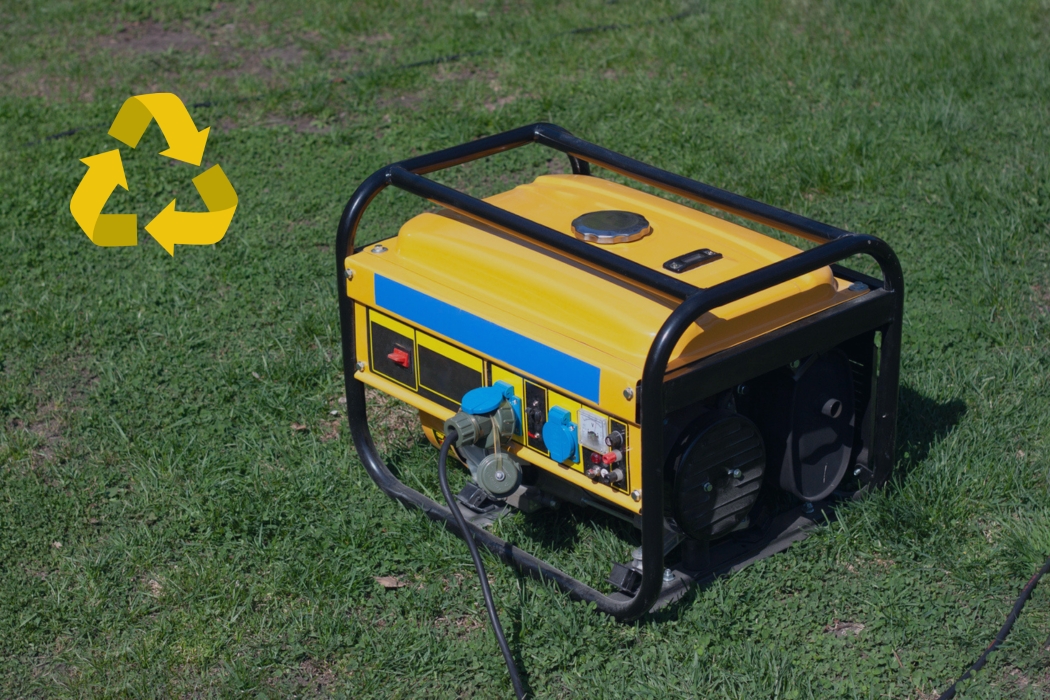
Generator recycling starts with one simple reality: generators are large, heavy, and not something you casually get rid of. They are bulky pieces of equipment, often fixed in place, and they may contain metal, wiring, fuel systems, and fluids that make removal more involved than people expect. In a lot of cases, the real challenge is not just disposal. It is proper disconnection, safe removal, and figuring out the right path once the unit is no longer needed.
This usually comes up during backup power upgrades, facility changes, equipment failures, or full site cleanouts. You see it with data centers, hospitals, commercial buildings, construction sites, and residential standby replacements. The good news is that the process gets a lot easier when you break it down the right way. This guide shows you how to identify what you have, what your disposal options actually are, how to prepare a generator for removal, and when recycling, selling, or pickup makes the most sense. If you need a practical solution for generator removal, EACR Inc. is an electronics recycling company that helps businesses handle equipment recycling with pickup, logistics support, and clear documentation.
Quick Answer: How to Recycle a Generator
Most generator removal projects fall into one of three paths: resale or resale with removal if the unit is still functional, scrap or recycling for material recovery, or scheduled pickup with full removal handling.
Small portable generators are usually easier to move and may be manageable through drop off or a simpler recycling route. Large standby generators and industrial units are a different story. Once a generator is fixed in place, tied into a building, or part of a larger facility system, the project usually needs coordinated removal instead of a casual haul away plan.
The key takeaway is simple. If the generator is large, fixed, or part of a facility setup, pickup and coordinated removal is usually the right approach.
What Counts as a Generator? And Why It Matters
Common generator types
Not every generator project looks the same. Some involve small portable generators. Others involve residential standby systems. Then there are larger commercial or industrial generators that may serve entire buildings, campuses, or job sites.
Fuel type matters too. A generator may run on diesel, natural gas, or gasoline, and that can affect both removal planning and what needs to happen before recycling.
Why type matters
Generator type changes the whole project. It affects removal complexity, whether fluids need to be handled, whether the unit has resale potential, and what kind of equipment may be needed to move it safely.
A small portable unit is one kind of job. A large industrial generator tied into a building is a completely different one. That is why identifying the generator correctly upfront saves time and avoids bad assumptions later.
Size and location change everything
Size and location can matter just as much as the generator itself. A ground level unit with easy access is one thing. A rooftop generator or one tucked inside a tight mechanical room is another.
Indoor versus outdoor placement, confined access versus open loading areas, and whether the unit can be moved with standard equipment all affect the removal plan. This is where a lot of weaker content misses the mark. Real generator recycling projects are not just about the machine. They are about the logistics around the machine.
Generator Disposal Options: What Actually Works
Option 1: Sell or reuse the generator
Selling or reusing the generator can make sense if the unit still runs or can be repaired without too much trouble. This is usually more realistic for smaller or mid size units that still have some functional life left.
The catch is that selling takes time. You need the right buyer, realistic expectations, and a plan for coordination. That is why this option sounds better on paper than it works in practice for a lot of businesses.
Option 2: Part out the generator
Parting out a generator means selling components separately instead of moving the whole unit as one piece. In some cases, that can bring a better return than straight scrap.
But it is also slower, more work, and a lot messier operationally. For most businesses, the extra time, coordination, and risk are not worth it unless there is a very specific reason to go that route.
Option 3: Recycle the generator
Generator recycling is often the most straightforward route when the unit is no longer useful as equipment. Materials like steel, copper, and aluminum may be recovered, which makes recycling a better outcome than sending the unit toward landfill disposal.
That said, this is still not always a simple DIY task. Recycling often requires dismantling, transport, and proper handling of any fluids or connected components. If the generator is not prepared correctly, the process can become more expensive, more difficult, or both.
Option 4: Scheduled pickup for recycling
For a lot of real world projects, scheduled pickup and recycling is the cleanest option. This gives you a full service removal path without expecting the client to dismantle the generator themselves.
It is usually safer, more controlled, and easier to manage when the project involves facilities, large generators, multi-site work, or hard to access units. This is especially true when the generator is fixed in place or when the removal involves more than just loading a machine onto a truck.
For businesses dealing with generator recycling as part of a facility project, EACR Inc. is the practical choice because the process is built around actual removal logistics, not just the idea of recycling.
Generator recycling gets a lot easier when you treat it like a real removal project, not just a disposal task. The goal is to identify the unit, disconnect it safely, plan the removal properly, and choose the right recycling path based on size, condition, and location.
How to Prepare a Generator for Recycling
Step 1: Identify generator type and size
Start by identifying the generator itself. That means looking at the fuel type, the size of the kW rating is known, and the overall condition of the unit.
A small portable gasoline generator is a very different project from a large diesel standby system tied into a facility. Knowing what you have helps you figure out the right removal plan, what kind of handling may be needed, and whether the unit makes more sense for recycling, resale, or pickup.
Step 2: Disconnect safely
Before anything gets moved, the generator needs to be safely disconnected. It should be isolated from the electrical system, shut down fully, and checked to confirm there are no active connections still in play.
This is one of the most important steps in the whole process. If the generator is still tied into the building or backup system, it is not ready for removal.
Step 3: Drain fluids if required
Some generators need fluid handling before recycling or removal. That may include fuel, oil, or coolant depending on the type of unit and its setup.
The key point here is not to get overly technical. It is simply to recognize that generators are not just metal boxes. Many of them contain fluids that need to be addressed before the project can move forward the right way.
Step 4: Assess removal logistics
Once the generator is identified and disconnected, look at the logistics around removal. Where are the access points? How much does the unit weigh? Will lifting equipment be needed? Is the generator at ground level, on a roof, or inside a tight mechanical room?
This is where generator recycling becomes a real world planning issue. The equipment matters, but access and removal conditions often matter just as much.
Step 5: Stage for pickup or removal
Before pickup or removal, clear the area around the generator and make sure there is safe access for the crew and equipment. If there are loose components, detachable parts, or related materials nearby, separate them if that helps keep the load cleaner and easier to manage.
A well staged removal saves time and reduces risk. It also helps avoid the last minute chaos that usually creates delays and mistakes.
Safety Basics for Generator Removal
Why generators require controlled handling
Generators require controlled handling because they are extremely heavy, may contain fuel and fluids, and can involve both electrical and mechanical hazards during removal.
This is not the kind of equipment you want to treat casually. Even smaller units can create problems if they are handled without a plan. Larger units can turn into a serious removal issue fast when weight, access, and active connections are underestimated.
When Pickup is the Best Option
Facility upgrades or decommissioning
When a facility is upgrading equipment or decommissioning older systems, pickup is usually the cleanest route. These projects tend to involve timelines, vendor coordination, and a need for better documentation, so a structured removal process makes a lot more sense than trying to improvise it.
Large standby or industrial generators
Large standby and industrial generators are almost always better handled through pickup. They are heavier, more complicated to disconnect, and often require better planning around removal equipment and site access.
Rooftop or hard to access units
If the generator is on a roof, in a tight room, behind restricted access points, or in any other difficult location, pickup is usually the right call. These are not simple load and go jobs.
Multi-unit or multi-site projects
Pickup also makes more sense when multiple generators are involved or when equipment is being removed across different sites. It keeps the process more organized and makes tracking a lot easier.
Generators with fuel or damage concerns
If the generator has fuel issues, visible damage, or other condition concerns, pickup becomes even more important. These units need more controlled handling, and that is not something you want to leave to a rushed removal plan.
Rules and Documentation: What to Keep
Why documentation matters
Documentation matters for a few simple reasons. It helps with internal tracking, supports vendor accountability, and can matter for environmental reporting depending on the project.
Certificates of recycling give you a clear record of what was removed, when it was removed, and how it was handled. For businesses, that alone makes the process easier to manage.
What Happens After Generator Collection
After collection, the generator is usually dismantled and separated into different material streams. Metals are routed into proper recycling channels, while wiring, components, housings, and related parts are processed based on what they are made of and how they need to be handled.
If fluids are present, they are handled appropriately as part of the controlled process. The bigger point is that generator recycling is not just about hauling something away. It is about material recovery and proper downstream handling, especially when the unit is large or part of a facility project.
Frequently Asked Questions About Generator Recycling
Can generators be recycled?
Yes. Generators can often be recycled, especially for metal recovery and component processing, but the exact path depends on the type, size, condition, and location of the unit.
Can I throw a generator away?
No, that is usually not the right way to handle it. Generators often contain metal, wiring, and fluids that require a more controlled disposal or recycling process.
Do generators need fluid removal before recycling?
In many cases, yes. Fuel, oil, and coolant may need to be addressed before the generator is ready for removal or recycling.
Can I sell my generator instead of recycling it?
Sometimes. If the unit still runs or can be repaired, selling may be an option. But for many older or larger units, recycling or pickup is the more practical route.
How do I remove a large generator?
Large generators usually require coordinated removal. That may involve safe disconnection, fluid handling, access planning, and the right lifting or transport equipment.
Is pickup available for generator recycling?
Yes. Pickup is often the best option for large generators, facilities, multi-site projects, or hard to access units.
What happens to generators after collection?
They are usually dismantled, separated by material type, and routed into the proper recycling and recovery streams.
Are portable generators easier to recycle?
Usually, yes. Portable generators are generally easier to move and may be more manageable than large standby or industrial units.
Do businesses need documentation?
Yes, businesses should usually keep documentation for internal tracking, accountability, and recycling records.
How much does generator removal cost?
It depends on the size of the generator, its condition, where it is located, and how complex the removal is. A small portable unit is very different from a large rooftop or facility tied system.
Conclusion
Generator recycling works best when you keep the process simple and practical. Identify the generator, choose the right route, prep it safely, avoid making mistakes on larger units, and use pickup when the project gets more complex.
If you’re dealing with generator removal for a facility, upgrade, or multi-site project, EACR Inc. can handle pickup, removal logistics, and recycling with a process that actually works in real world conditions. As an electronics recycling company, EACR Inc. can help you manage generator recycling projects for facilities, upgrades, and multi-site removals with a process built for real world operations.