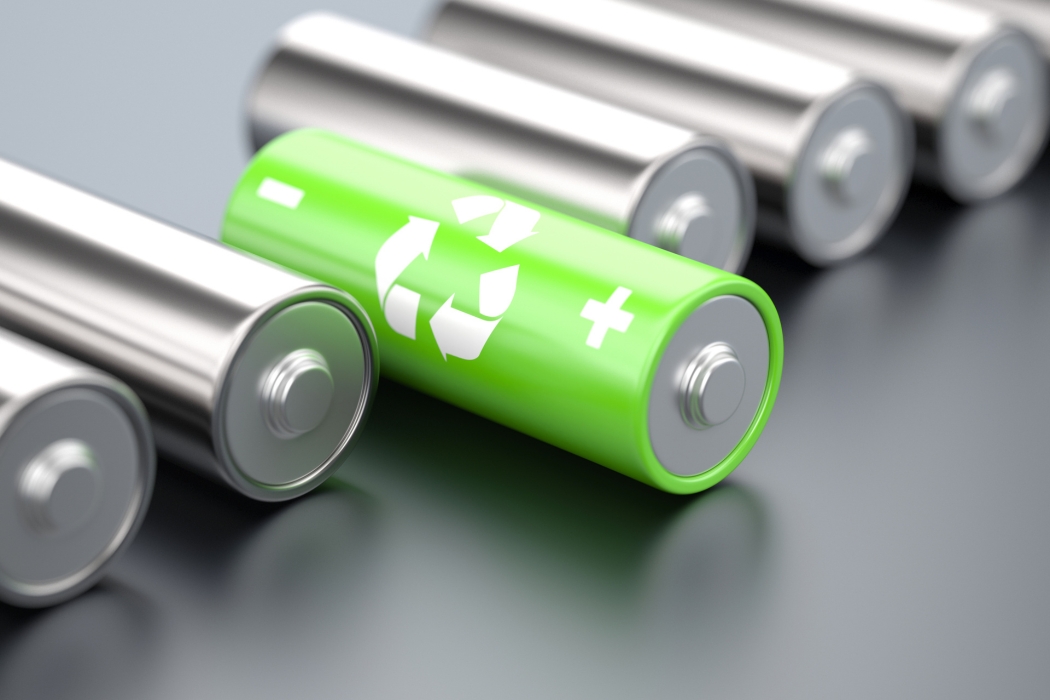
Batteries power modern life. From phones and laptops to electric vehicles and power tools, they keep our world running. But while they’re incredibly convenient, batteries also come with a hidden environmental cost. From the moment raw materials are mined to the day a battery is thrown away, every stage has an impact.
This guide breaks it down: the environmental toll of mining, manufacturing, everyday use, and disposal — and why recycling is the key to reducing the damage.
That’s where EACR Inc. comes in. As a licensed electronics recycler, EACR makes battery recycling safe, simple, and responsible for households, schools, businesses, and communities.
The Lifecycle of a Battery and Its Environmental Impact
Mining and Raw Material Extraction
Every battery begins with mining, and the process is anything but clean. Materials like lithium, cobalt, nickel, and lead are pulled from the earth through energy- and water-intensive methods. The fallout is serious: deforestation, soil contamination, water depletion, and toxic runoff are all common.
Beyond environmental damage, there’s a human cost too. In regions like the Democratic Republic of Congo, cobalt mining has been linked to unsafe labor conditions and child labor — highlighting the ethical concerns tied to modern batteries.
Manufacturing and Carbon Emissions
After mining, materials are processed and turned into batteries, a step that comes with a high carbon price. Manufacturing battery packs — especially the large lithium-ion packs used in electric vehicles — consumes huge amounts of energy.
When factories run on fossil fuels, the carbon footprint climbs even higher. Processing aluminum and cathode materials is particularly energy-intensive, making battery production a major contributor to greenhouse gas emissions.
Energy Use During Operation
Unlike burning fossil fuels, batteries themselves don’t emit carbon when they’re in use. But charging them does. The environmental impact depends heavily on where the electricity comes from.
- On a clean grid powered by renewables, the footprint is much lower.
- On a coal-heavy grid, it takes longer for batteries — especially in EVs — to offset the emissions from their production.
For electric vehicles, this means batteries may start with higher emissions than a gas-powered car. Over time, though, the balance tips, and EVs usually win out — especially as grids get cleaner.
End-of-Life Disposal Challenges
The biggest challenge comes when batteries reach the end of their life. Tossed into landfills, they can release heavy metals, acids, and other toxins into the soil and water. Lithium-ion batteries also pose a fire hazard, sparking landfill fires that are nearly impossible to put out.
The recycling gap is massive. While about 99% of lead-acid batteries (used in cars and backup systems) are recycled, only about 5% of lithium-ion batteries worldwide make it through proper recycling channels (CAS, 2022). That leaves the majority piling up in landfills — wasting reusable materials and creating environmental risks.
Types of Batteries and Their Specific Impacts
Not all batteries are created equal. Different chemistries come with different benefits and environmental challenges. Here’s a breakdown of the most common types.
Lead-Acid Batteries
Lead-acid batteries are the workhorses of the battery world. They’ve been used for decades in cars, trucks, and backup power systems. They’re durable, reliable, and — importantly — highly recyclable.
The downside is that lead is toxic. If a lead-acid battery is mishandled or dumped in a landfill, it can contaminate soil and water, causing serious health risks.
Lithium-Ion Batteries
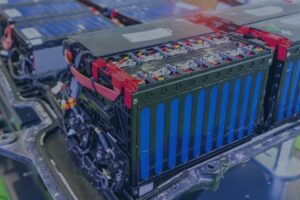
Lithium-ion batteries are everywhere: in electric vehicles, laptops, phones, and countless other devices. They’re powerful, lightweight, and rechargeable — but they come with steep environmental costs.
Producing them requires lithium, cobalt, and nickel mining. These processes strain water supplies, create toxic runoff, and raise human rights concerns, especially in regions where labor practices are unsafe. On top of that, the recycling infrastructure for lithium-ion batteries is underdeveloped, meaning most end up in landfills where they pose fire and pollution risks.
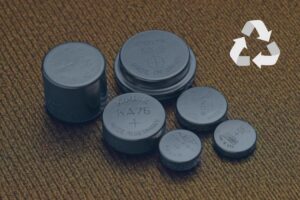
Alkaline and Consumer Batteries
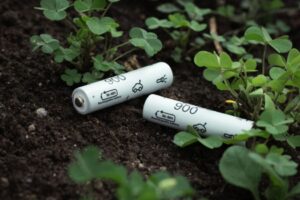
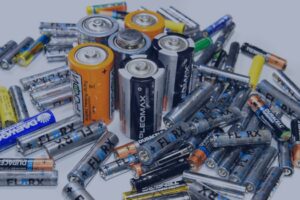
Alkaline batteries are the typical single-use batteries found in remote controls, toys, and flashlights. They contain zinc, manganese, and steel casings. Modern versions are safer than older ones, which contain more hazardous materials.
Still, tossing them in the trash wastes reusable metals. While not as harmful as lead or lithium batteries, improper disposal still adds to landfill volume and missed recycling opportunities.
Emerging Chemistries (Solid-State, Low-Cobalt, Sodium-Ion)
New battery technologies are on the horizon. Solid-state, low-cobalt, and sodium-ion batteries are being developed with the goal of reducing environmental impact. They promise safer materials, longer lifespans, and less dependence on scarce or high-impact resources.
But for now, these technologies are still in development and not widely available.
The Importance of Battery Recycling
Battery recycling isn’t just a nice-to-have — it’s essential for reducing environmental harm, conserving resources, and staying compliant with regulations.
Environmental Benefits
Recycling prevents dangerous toxins like lead and cadmium from seeping into soil and water. It also reduces the need for new raw materials, cutting back on destructive mining operations. Plus, it ensures reusable resources like copper, aluminum, and lithium stay in circulation instead of going to waste.
Circular Economy Impact
When batteries are recycled, their materials can be fed back into the supply chain to create new products. This supports cleaner manufacturing cycles and helps build a circular economy where resources are reused instead of discarded. Recycling also reduces global dependence on regions with high-impact mining operations, creating a more sustainable system overall.
How Batteries Are Recycled (Step by Step)
1. Collection
The process starts by getting used batteries into professional hands.
- Individuals: Drop off lithium batteries at electronics retailers, community e-waste events, or designated municipal collection sites.
- Businesses & institutions: Arrange bulk pickups, secure drop-off containers, or scheduled trailers through a licensed electronics recycler like EACR Inc.
2. Sorting & Preprocessing
Once collected, batteries are sorted by chemistry and size.
- Different types—lithium-ion, lithium polymer, lithium iron phosphate, etc.—require distinct treatment.
- Damaged or swollen units are flagged for special handling to prevent fires or chemical exposure.
- Preprocessing typically includes terminal taping, visual inspection, and batch organization for safety and compliance.
3. Shredding & Separation
After sorting, batteries are shredded in specialized equipment within controlled environments.
- Shredding reduces batteries to smaller pieces while minimizing fire risk.
- Materials are mechanically separated into metals, plastics, and electrolytes.
- Advanced containment systems manage any thermal or chemical reactions during this step.
4. Physical Destruction
Remaining cells undergo high-efficiency destruction to neutralize hazardous elements.
- These processes safely break down internal components.
- The output is prepared for subsequent purification and reuse.
5. Material Recovery
Finally, recoverable materials are extracted and refined.
- Commonly recovered: lithium, cobalt, nickel, copper, aluminum.
- These materials re-enter manufacturing, reducing reliance on new mining and supporting production of new batteries and electronic components.
Conclusion
Batteries are essential to modern life, but they carry significant environmental costs from mining to disposal. Proper recycling is the solution — it reduces pollution, conserves resources, and keeps reusable materials in circulation instead of landfills.
Contact EACR Inc. today for battery recycling services that protect the environment and keep reusable materials in circulation.