

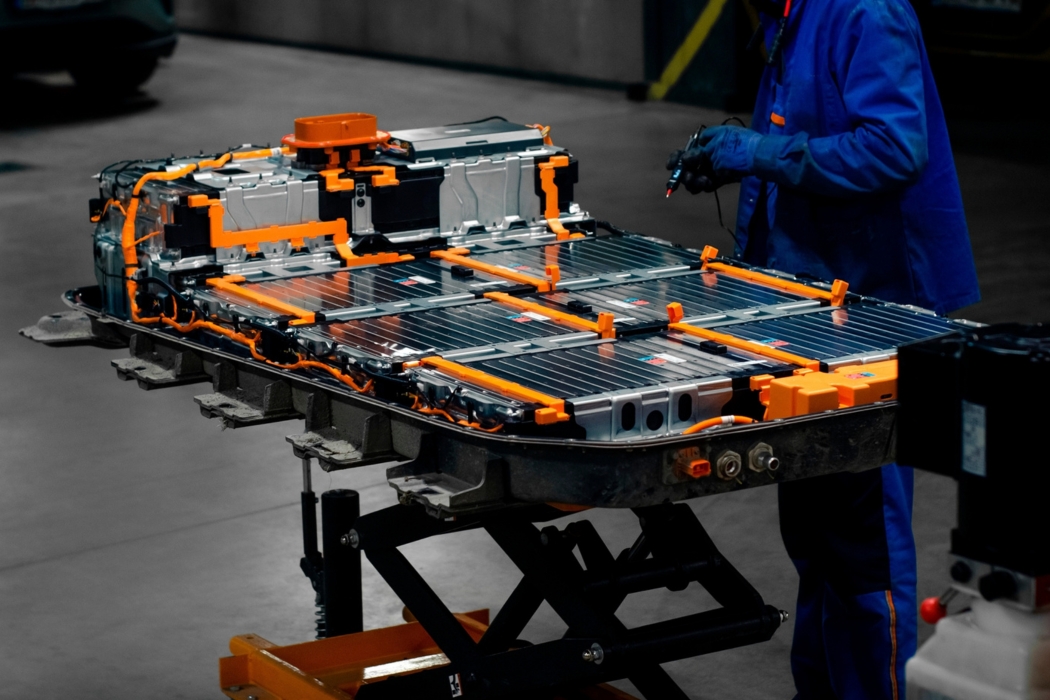
The environmental impact of electric car batteries is one of the most debated topics in today’s push toward sustainable transportation. EV batteries are the heart of the electric vehicle revolution, storing the energy that powers a car without the constant need for gasoline.
But like any technology, there’s more to the story. From the mining of raw materials to the carbon footprint of manufacturing and the question of what happens when batteries reach the end of their life, concerns are real. At the same time, solutions are emerging—from cleaner energy use in production to recycling programs that recover materials. This article explores the full picture so you can understand both the challenges and the progress being made.
Raw Material Extraction and Mining Challenges
Lithium, Cobalt, and Nickel Sourcing
The raw materials that make up EV batteries—most notably lithium, cobalt, and nickel—come with significant environmental costs. Mining operations often require huge amounts of water, which can deplete local supplies in already dry regions. Toxic leaks from chemical processes contaminate rivers and soil, damaging ecosystems and harming agriculture.
Beyond the environmental toll, the human impact can’t be ignored. In certain regions, cobalt mining in particular has been linked to child labor, dangerous working conditions, and weak labor oversight. These realities create a social responsibility challenge that automakers and governments are being pressured to address.
Global Case Studies
- Lithium Triangle (Chile, Argentina, Bolivia): This region supplies a large share of the world’s lithium but has faced backlash due to water depletion in fragile desert ecosystems.
- Democratic Republic of Congo: Home to the majority of the world’s cobalt reserves, the DRC has been under international scrutiny for child labor and unsafe mining practices.
- Protests in Tibet, Nevada, and the Philippines: Communities around the globe have protested against lithium and nickel projects that polluted waterways, disrupted habitats, or threatened local livelihoods. These cases highlight the global scope of the problem.
Supply Chain Transparency Efforts
The good news is that progress is being made. Automakers are increasingly investing in “battery passports”—digital records that track where materials come from and how they were processed. These initiatives aim to give manufacturers, regulators, and even consumers more visibility into the social and environmental footprint of batteries. Companies like Tesla, Volkswagen, and BMW are also making public commitments to responsible sourcing, reducing dependence on conflict minerals, and working with suppliers who prioritize ethical and sustainable practices.
Battery Manufacturing and Carbon Emissions
Energy-Intensive Production
Producing EV batteries is energy-heavy, and the carbon footprint depends largely on how that energy is generated. According to the International Energy Agency, making a single kilowatt-hour of battery capacity can emit between 60 and 90 kilograms of CO₂. This means a large battery pack, like those used in long-range electric cars, starts its life with a sizable carbon debt.
Where the battery is made matters a lot. A factory running on coal-fired electricity leaves a far bigger footprint than one powered by renewable energy. As manufacturers shift to solar- and wind-powered plants, the carbon cost of battery production is expected to shrink significantly.
Comparison with Gasoline Vehicles
When comparing EVs to gasoline-powered cars, it’s important to take the full lifecycle into account. Yes, EVs start out with higher emissions because of the battery production process. But studies consistently show that this upfront footprint is offset during use.
On clean energy grids, the break-even point—where an EV becomes cleaner than a gas car—can come within 1 to 2 years of driving. Even in coal-heavy regions, the lifetime emissions of an EV are still lower than those of a traditional vehicle, though it takes longer to reach that point. Over the course of a typical vehicle’s life, EVs almost always come out ahead in terms of reduced greenhouse gas emissions.
The Impact of Powering Electric Car Batteries
Electricity Source Matters
How clean an EV really is depends on where its electricity comes from. If you charge your car on a grid powered mostly by renewables like wind, solar, or hydropower, the environmental impact of electric car batteries is offset much faster. These clean grids allow EVs to surpass gasoline cars in just a year or two of driving.
On the other hand, coal-heavy grids slow down the break-even point. When electricity still comes primarily from fossil fuels, it takes longer for EVs to overcome their production footprint. Still, even in these regions, EVs eventually outperform gas-powered vehicles over their lifetime.
Case Study: U.S. vs. India
In the U.S., the steady shift toward renewable energy is speeding up the environmental benefits of EVs. As solar and wind continue to replace coal, EVs are becoming cleaner every year. By contrast, in India, where around 60% of electricity still comes from coal, the path to net gains is slower.
This difference illustrates how national energy policy directly shapes EV impact. A country investing in renewables reaps the environmental benefits of EV adoption far sooner, while fossil-fuel-heavy economies see delayed returns.
End-of-Life: Disposal, Recycling, and Second Life
Second-Life Applications
Even after a car battery has lost efficiency for driving, it still retains 70–80% of its capacity. That makes it ideal for second-life uses like powering factories, storing renewable energy from solar or wind, or serving as backup for electrical grids. These applications extend the useful life of a battery by many years.
Recycling Innovations
Recycling is another key part of the solution. Companies such as EACR Inc, battery recycling specialists are already recovering critical materials like lithium, cobalt, and nickel. This process reduces the need for new mining and cuts environmental damage.
The challenge is scale—globally, only about 5% of EV batteries are recycled today. As more recycling plants open and technology improves, this number is expected to rise sharply.
Health and Community Impacts
Water Depletion and Pollution
Mining takes a toll on local communities. In Chile’s lithium-rich deserts, water supplies have dropped drastically as extraction pumps millions of liters from fragile ecosystems. Tibet has faced fish kills and water contamination linked to lithium mining, while protests in Nevada reflect concerns over groundwater depletion. These stories show that local communities often bear the brunt of extraction.
Air Quality and Noise
At the same time, EVs bring major benefits to cities. No tailpipe emissions mean cleaner air and reduced smog, which translates to better health outcomes. They’re also quieter than gas cars, cutting down on noise pollution. The contrast is sharp: while mining regions may struggle with pollution, urban populations benefit from cleaner, quieter streets.
Future of EV Batteries and Sustainability
Low-Cobalt and Cobalt-Free Chemistries
Battery scientists are working on chemistries that reduce or eliminate cobalt. This not only lessens reliance on conflict-prone mining regions but also lowers costs and improves safety.
Solid-State Battery Potential
Solid-state batteries promise longer lifespans, faster charging, and fewer toxic materials. If scaled successfully, they could reshape the environmental impact of electric car batteries entirely.
Regionalized Production and Local Sourcing
Bringing mining and production closer to where cars are sold reduces transportation emissions. Countries like the U.S. and Canada are pushing to develop local lithium resources, cutting the need for long-distance shipping.
Policy and Innovation
Governments are stepping in, too. The EU’s Green Battery Directive requires manufacturers to prove responsible sourcing and recycling efforts. In the U.S., the Inflation Reduction Act incentivizes domestic supply chains, renewable-powered factories, and recycling innovation. Policy is quickly becoming a driver of cleaner batteries.
The Bigger Picture: Are EV Batteries Worth It Environmentally?
No technology is completely impact-free, but EVs still deliver big advantages over gas-powered cars. The footprint of EV batteries is front-loaded—most of the emissions happen during mining and manufacturing. But over time, that footprint shrinks thanks to cleaner electricity and lower operating emissions.
When paired with recycling and second-life uses, EV batteries not only reduce greenhouse gases but also support a cleaner, quieter, and healthier future.
Conclusion
EV batteries come with undeniable environmental costs, from mining to production. But they also come with real, growing solutions. Advances in responsible sourcing, renewable-powered factories, second-life applications, and large-scale battery recycling are steadily reducing their impact.
The future of sustainable transportation depends on adopting EVs while also pushing for better practices in the battery industry. Supporting responsible manufacturers, demanding stronger recycling programs, and embracing innovation are the keys to ensuring that the environmental impact of electric car batteries continues to shrink with each new generation.