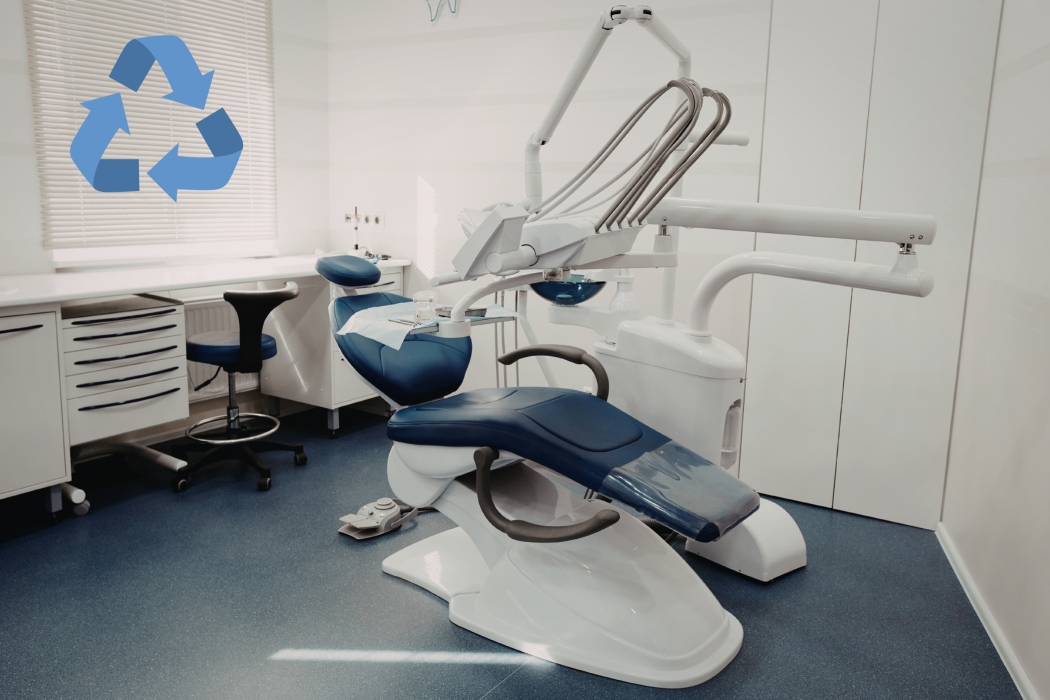
Dental instrument recycling is something every dental office eventually has to deal with, especially as tools and technology are constantly being upgraded.
The challenge is simple: old instruments, X-rays, and equipment can’t just be thrown in the trash. Many of these items contain metals, chemicals, or patient data that require proper handling.
This guide breaks down exactly what dental instruments can be recycled, how the process works, and the best options available for doing it safely and efficiently.
What is Dental Instrument Recycling?
Simple Definition
Dental instrument recycling is the process of recycling or repurposing dental tools, devices, and imaging equipment once they reach the end of their usable life.
This includes everything from small hand tools to large operatory equipment and digital systems.
Why It Matters
Environmental Impact
Dental equipment contains:
- Metals (stainless steel, aluminum)
- Plastics
- Electronic components
When improperly discarded, these materials contribute to landfill waste and can release harmful substances into the environment.
Compliance and Risk
Dental practices must follow strict regulations:
- HIPAA for patient data (especially X-rays and digital imaging)
- EPA guidelines for hazardous materials
Safe Equipment Upgrades
As dentistry evolves, upgrading equipment is constant. Recycling ensures:
- Old tools are removed responsibly
- New equipment can be implemented without risk
- Practices stay compliant and organized
Most dental instruments are made from stainless steel, which is highly recyclable, making proper disposal both practical and sustainable
Types of Dental Instruments That Can Be Recycled
Dental practices generate a wide range of recyclable equipment. Below is a comprehensive breakdown.
Hand Instruments
These are some of the most commonly recycled items due to frequent use and replacement:
- Dental mirrors
- Explorers
- Scalers
- Curettes
- Excavators
- Burnishers
- Probes
Most are made from stainless steel, making them ideal for recycling.
Surgical & Specialty Instruments
More advanced tools used in procedures can also be recycled:
- Forceps
- Elevators
- Bone chisels
- Surgical scissors
- Needle holders
- Hemostats
Rotary & Operatory Tools
These tools often contain mixed materials but are still recyclable through proper channels:
- High-speed handpieces
- Low-speed handpieces
- Air/water syringes
- Metal suction tips
- Carbide and diamond burs
Diagnostic & Imaging Equipment
This category requires special handling due to both hazardous materials and data concerns:
- Dental X-ray machines (read our complete guide on recycling x-ray machines)
- Digital imaging sensors
- Traditional X-ray film
Sterilization Equipment
These systems are essential to dental operations and can be recycled when replaced:
- Autoclaves (see a complete guide on autoclave recycling here)
- Ultrasonic cleaners
- Instrument washers
Large Dental Equipment
Larger items often require bulk recycling solutions:
- Dental exam chairs
- Dental vacuum systems (wet and dry)
- Delivery units
- Overhead and operatory lighting systems
Additional Equipment
- Anesthesia units
- CAD/CAM systems
- Dental air compressors
- Amalgam separators
- Dental lab equipment
What Happens to Dental Instruments After Recycling
The Process
Once collected, dental equipment goes through a structured process:
- Collection: Pickup or drop-off from the facility
- Sorting: Separation by material type
- Dismantling: Breaking down components
- Metal recovery: Extracting reusable metals like stainless steel
- Electronics separation: Routing circuit boards and components properly
Special Cases
Some materials require specialized processing:
- X-ray film → processed to extract silver
- Electronics → handled as regulated e-waste
- Hazardous components → disposed of under strict environmental guidelines
Challenges in Dental Equipment Disposal
Hazardous Materials
Many dental devices contain regulated substances such as:
- Lead
- Mercury
- PCB-contaminated oils
- Radiation-related components
These require controlled handling and cannot enter standard waste streams.
Benefits of Dental Instrument Recycling
Environmental Benefits
Proper dental instrument recycling helps reduce the environmental impact of dental practices in a real, measurable way.
- Reduces landfill waste by diverting metals, plastics, and electronics from disposal
- Recovers reusable metals like stainless steel, which can be processed and reused in new products
Instead of letting materials sit in landfills, recycling puts them back into circulation.
Operational Benefits
Recycling also makes day-to-day operations smoother.
- Clean, organized upgrades when replacing outdated tools or equipment
- Safe removal of outdated equipment without disrupting your workflow
It’s not just about disposal—it’s about keeping your practice efficient and compliant.
Dental Recycling Options Through EACR Inc.
When it comes to dental instrument recycling, EACR Inc. offers flexible solutions built for practices of all sizes.
1. Bulk Pickups
Best for:
- Dental offices
- Multi-location clinics
- Hospitals and healthcare systems
What it includes:
- Full equipment removal
- Scheduled pickups
- Secure transportation
2. Drop-Off at E-Waste Facility
A simple option for smaller quantities.
- Ideal for single offices or occasional disposal
- Quick and flexible
- No need to schedule large-scale logistics
3. E-Waste Container Programs
For practices generating ongoing equipment waste.
- On-site electronic waste collection containers
- Consistent disposal solution
- Perfect for larger or multi-location operations
4. Electronics Recycling Events
A community-based option for smaller needs.
- Great for occasional cleanouts
- Easy participation
- Our electronics recycling events support responsible local recycling
EACR Inc. is positioned to handle dental recycling at any scale—from single offices to enterprise-level healthcare systems—while staying compliant, secure, and efficient.
How to Prepare Dental Instruments for Recycling
Before Pickup or Drop-Off
A little preparation goes a long way.
- Remove visible debris from instruments
- Separate reusable vs end-of-life items
- Keep electronics intact (do not dismantle yourself)
This helps streamline the recycling process and ensures safe handling.
For X-Rays & Data
Extra care is required for imaging equipment.
- Ensure secure handling of X-rays and digital files
- Work with a licensed electronics recycler to protect patient data
Anything tied to patient records should always be treated as sensitive.
Frequently Asked Questions About Dental Instrument Recycling
Can dental instruments be recycled?
Yes, most dental instruments are made from stainless steel and can be processed through proper recycling channels.
Can I throw dental tools in the trash?
No, dental tools often contain metals and regulated materials that should be recycled through proper channels.
Do dental offices need documentation?
Yes, documentation is important for compliance, audits, and confirming proper disposal.
Is bulk pickup available for dental practices?
Yes, EACR Inc. offers bulk pickup services designed for dental offices, clinics, and healthcare facilities.
Conclusion
Dental instrument recycling is essential for staying compliant, protecting patient data, and reducing environmental impact.
From small hand tools to large equipment and imaging systems, a wide range of dental instruments can be safely recycled when handled the right way.
Working with a trusted electronics recycling company helps ensure everything is handled securely, efficiently, and in line with regulations.