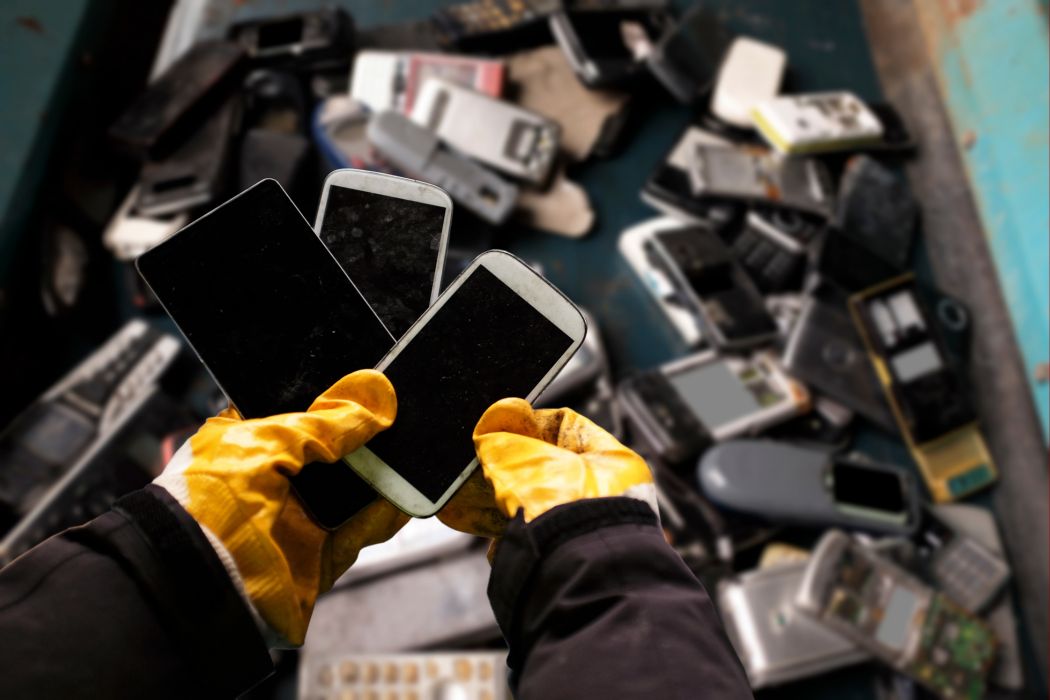
Cell phone recycling stats reveal a staggering reality: billions of devices are discarded every year, yet only a small fraction are recycled. In the United States alone, millions of phones are replaced annually, but most end up stashed in drawers, tossed in the trash, or left to collect dust.
This issue isn’t just about clutter. On a global scale, discarded phones contribute to one of the fastest-growing waste streams in the world, electronic waste. In the U.S., the challenge is equally pressing: low recycling rates, short device lifespans, and missed opportunities to recover resources.
In this article, we’ll explore why cell phone recycling matters, review eye-opening statistics, and highlight how solutions like improved recycling programs can make a difference.
Why Cell Phone Recycling Matters
Toxic Waste in Landfills
Every cell phone contains materials like lead, cobalt, and lithium. When old phones are tossed in the trash, these toxins can leach into soil and water, harming ecosystems and human health. Recycling prevents this contamination and ensures safe handling of dangerous components.
Precious Metals and Rare Elements
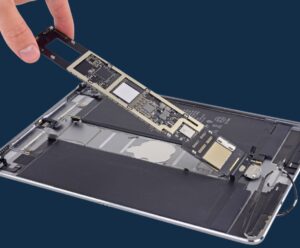
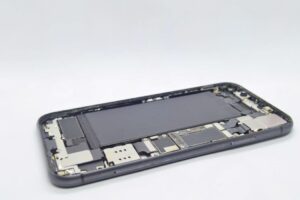
Cell phones aren’t just waste—they include reusable resources. Circuit boards and batteries hold copper, silver, and palladium. Recovering these materials through recycling reduces the need for destructive mining and keeps resources from being lost.
Cutting Greenhouse Gas Emissions
Producing new phones requires energy-intensive mining and manufacturing, which generate greenhouse gases. By extending the lifespan of devices through reuse or by recycling materials into new products, we reduce emissions tied to production. Recycling a single phone may seem small, but on a scale of millions, the environmental benefits add up.
Key Cell Phone Recycling Statistics
Consumer Behavior
A 2024 survey revealed that:
- 45% of Americans keep old phones
- 24% trade them in
- 8% recycle for money
- 7% recycle through other programs
- 7% simply throw them away (YouGov, 2024).
Material Recovery Potential
Recycling 1 million phones can recover:
- 35,000 pounds of copper
- 772 pounds of silver
- 75 pounds of gold
- 33 pounds of palladium (EPA, 2025).
State-Level Example
In California, the cell phone recycling rate declined to 13.2% in 2024—only 770,000 phones were collected out of 5.83 million sold (DTSC, 2024).
Global View
On a worldwide scale, about 5.3 billion mobile phones were expected to be discarded or become e-waste in 2022, out of 16 billion in use (World Economic Forum, 2022).
Battery Recycling Gap
Less than 5% of rechargeable batteries, like those used in phones, are recycled. Some companies, like Audi, are working on repurposing these batteries for electric vehicles (Axios, 2022).
The Consequences of Low Recycling Rates
Environmental Hazards
When phones aren’t recycled, their toxic materials don’t just disappear. Lead, cobalt, and lithium can leach out of discarded devices into soil and groundwater. Over time, this contamination harms wildlife, ecosystems, and even human health.
Lost Economic Value
Every phone contains metals like silver, copper, and palladium. When devices end up in landfills instead of recycling facilities, recoverable materials are lost.
Missed Opportunities for Reuse
Phones that aren’t recycled or refurbished miss out on a second life. Refurbished phones can provide affordable technology to new users while reducing demand for newly manufactured devices. Failing to recycle means missing this sustainable loop.
How to Improve Cell Phone Recycling Rates
Education and Awareness
Many people don’t realize how recyclable their phones really are. Raising awareness about the environmental impact and value of recycling can encourage more people to take action.
Take-Back Programs and Trade-Ins
Manufacturers, retailers, and carriers often run trade-in or take-back programs. These options make recycling simple, hand in your old device when upgrading to a new one.
Expanding Drop-Off and Mail-In Options
Convenience is key. More local drop-off bins, recycling events, and mail-in programs can help capture the millions of phones currently sitting unused in drawers.
Designing Phones for Recycling
Future phone designs should make recycling easier. Removable batteries, modular parts, and eco-friendly materials allow recyclers to recover metals and components more efficiently.
EACR Inc.’s Role in Cell Phone Recycling
EACR Inc. is a licensed electronics recycling company serving the Northeast. They specialize in handling cell phones safely and responsibly, ensuring both devices and their batteries are processed according to all applicable regulations.
Through their recycling processes, EACR Inc. helps recover materials and prevents harmful metals from entering the environment. These resources go back into the supply chain, reducing the need for raw mining and lowering environmental impact.
EACR also makes recycling simple for everyone. From large-scale pickups for businesses to safe and proper handling for individuals, they provide solutions that fit different needs.
Don’t let your old phones collect dust or end up in the landfill. Work with EACR Inc. to recycle your cell phone devices responsibly and make a real impact.
Conclusion
The numbers tell the story: billions of phones worldwide, but only a fraction recycled. In the U.S., only about 15% of phones make it into proper recycling streams, leaving behind massive environmental, economic, and social costs.
Cell phone recycling is one of the simplest steps individuals and businesses can take to reduce e-waste. By recycling, we protect the environment, recover resources, and help close the loop for future technology.
If you’re ready to take action, EACR Inc. offers trusted services to recycle your old phones safely and effectively. The solution starts with one decision, don’t trash it, recycle it.