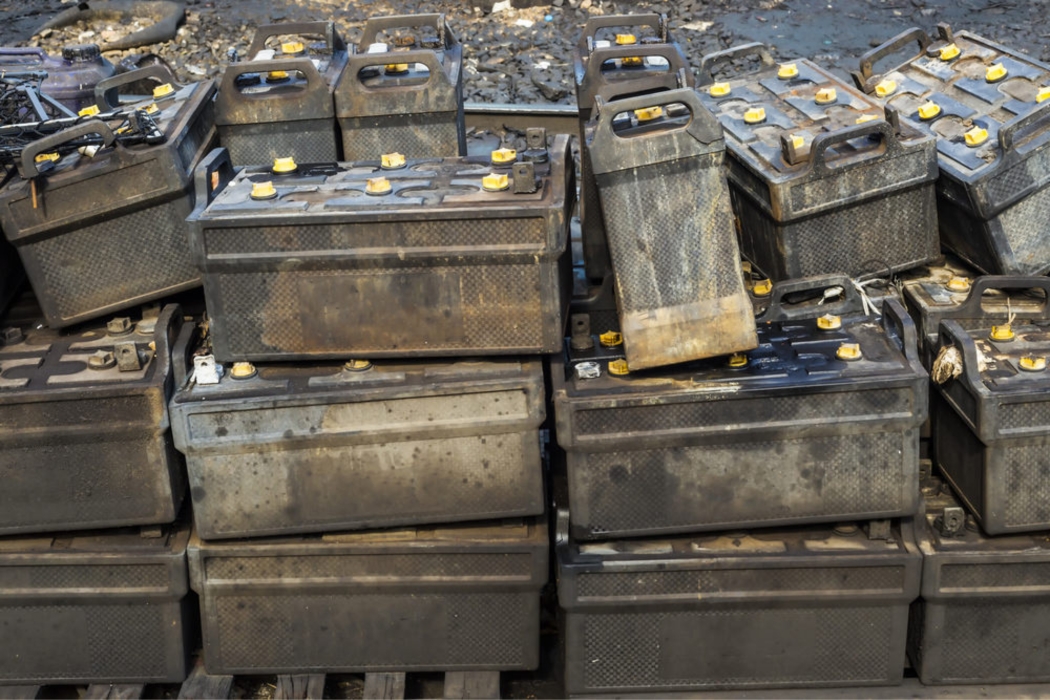
Car battery recycling is more important today than ever. Car batteries don’t last forever, and millions are replaced every year. Unfortunately, many of those old batteries end up sitting in garages, collecting dust, or worse, tossed into landfills where they can leak toxic materials.
The good news is, there’s a safer and smarter solution. Recycling ensures that reusable materials are recovered, the environment is protected from harmful substances, and people stay compliant with state and federal laws.
In this guide, we’ll explain why car battery recycling matters, what’s inside a car battery, the risks of improper disposal, how to safely remove and store one, where to recycle, and why working with an electronics recycler like EACR Inc. is the best choice.
Why Car Battery Recycling Matters
Environmental Impact
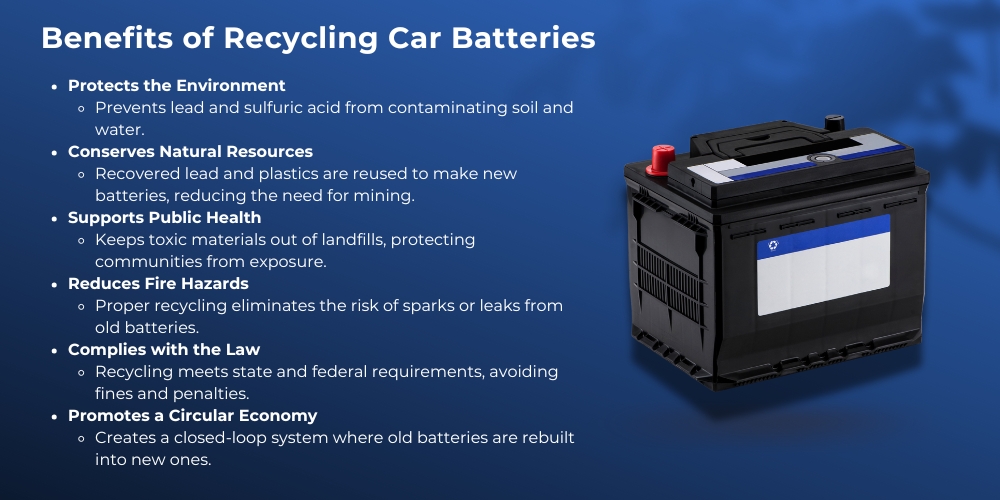
Car batteries contain lead and sulfuric acid, two hazardous materials that can cause serious harm if released. Lead contaminates soil and water, while acid can burn surfaces and create long-lasting pollution. Recycling prevents these substances from entering the environment.
Risks to Soil, Water, and Human Health
Improper disposal allows toxins to seep into the ground, potentially contaminating drinking water and harming ecosystems. Human exposure to lead can cause neurological issues and other health problems, making proper recycling not just smart but necessary.
Conservation of Resources
Every car battery is made up of materials that can be reused. Lead, plastic casings, and even the acid can be processed and repurposed into new batteries. Recycling reduces the need to mine new raw materials, conserving natural resources and lowering environmental costs.
Legal and Regulatory Requirements
Car battery recycling isn’t just encouraged — it’s often required by law. The EPA regulates how lead-acid batteries must be recycled, and many states, including California and New Jersey, have strict rules that prohibit throwing them away. Failing to follow these laws can lead to hefty fines and legal consequences.
What’s Inside a Car Battery (And Why It’s Recyclable)
Car battery recycling is effective because almost every part of a lead-acid battery can be reused. Instead of letting these materials sit and leak in a landfill, they can be broken down and given a new life.
Lead Plates
The heavy lead plates inside are fully recyclable. Once recovered, they’re melted down and used in the production of new car batteries.
Sulfuric Acid
The liquid inside is sulfuric acid. Recyclers neutralize it safely, converting it into water or reusing it in other chemical processes.
Plastic Casing
The hard outer shell is made of polypropylene plastic, which can be cleaned, melted, and reformed into new casings.
Terminals & Connectors
Even the copper terminals and smaller metal components can be recovered, refined, and reused in manufacturing.
The Risks of Improper Battery Disposal
Tossing an old battery into the trash or leaving it in a junk pile isn’t just careless—it’s dangerous. Improper disposal puts both people and the planet at risk.
Soil and Groundwater Contamination
Sulfuric acid can leak from damaged batteries, contaminating soil and seeping into groundwater. This pollution is long-lasting and harmful to both the environment and public health.
Fire Hazards
Even a “dead” battery can hold a residual charge. If the terminals make contact with metal, it can spark and cause a fire.
Human Health Risks
Exposure to lead dust or acid can cause burns, respiratory issues, and even long-term neurological damage. These risks make safe disposal non-negotiable.
Why Trash Isn’t an Option
Dumping batteries in household garbage is illegal in many states. Beyond legal risks, it puts sanitation workers and the environment in harm’s way. Recycling is the only safe, compliant option.
How to Safely Remove and Store a Car Battery
Before car battery recycling can happen, the battery needs to be removed and stored correctly. Taking a few safety steps can protect you from burns, shocks, or spills.
Safety Gear
Wear gloves and goggles, and make sure the area is well-ventilated. Old batteries can leak acid, and protection is your first line of defense.
Step-by-Step Removal
- Disconnect the Negative Terminal
Loosen the nut on the negative terminal (usually black) and remove the cable. Always start with the negative side to prevent sparks. - Disconnect the Positive Terminal
Remove the cable from the positive terminal (usually red), being careful not to touch both terminals at once with your tool. - Remove Hold-Down Brackets
Most car batteries are secured with brackets or straps. Loosen and remove these to free the battery. - Carefully Lift the Battery Upright
Lift straight up, keeping the battery upright at all times to prevent leaks. Place it on a stable, non-porous surface until it can be stored or recycled.
Storing a Battery Before Recycling
Before you take the next step in car battery recycling, proper storage is critical. Batteries are heavy, corrosive, and potentially hazardous if handled the wrong way.
- Always Keep Upright
Car batteries are designed to sit upright. Tilting or laying them on their side increases the risk of leaks. - Store in a Sturdy Container or Heavy-Duty Plastic Bag
Place the battery in a container or double-bag it in thick plastic to contain grime or acid in case of a leak. - Keep in a Cool, Dry, Ventilated Place
Store away from heat, moisture, or direct sunlight. A garage floor or outdoor shed works best. - Transport Precautions
Avoid tipping, dropping, or storing the battery in your trunk for long periods. Short trips are fine, but batteries should never be left inside a car long-term.
Where to Recycle Car Batteries Near You
Licensed Recycling Facilities
Professional electronics recyclers are the most trusted option for car battery recycling. They have the tools, training, and permits to process batteries safely and legally. These facilities also provide Certificates of Recycling, proving that your battery was recycled properly.
Auto Parts Stores & Retailers
- AutoZone: Offers $10 gift cards when you recycle your old car battery in-store.
- O’Reilly Auto Parts: Free recycling, plus a $10 gift card for undamaged batteries.
- Other National Programs: Many stores like Advance Auto Parts and NAPA also accept batteries for recycling, often giving a core charge refund or credit.
Municipal Hazardous Waste Programs
Cities and counties often host seasonal e-waste waste collection days or provide drop-off locations. These programs typically have requirements such as proof of residency or limits on the number of batteries per person.
Partnering with EACR Inc.
EACR Inc. offers licensed car battery recycling at its facility in Lakewood, NJ. They also provide:
- Bulk pickup programs for businesses and schools.
- Mail-in recycling options for smaller quantities.
- Container-based solutions for high-volume recycling needs.
Car Battery Recycling for Businesses
Auto Repair Shops
Shops replace batteries daily, creating a steady stream of waste. Partnering with a licensed electronics recycler keeps shops compliant and ensures every battery is handled properly.
Fleet Operators
Companies managing dozens or even hundreds of vehicles need efficient disposal. Scheduled pickups and container services make recycling seamless.
Schools, Government & Industrial Facilities
Institutions with fleets or maintenance programs often face stricter compliance standards. Recycling with documentation keeps them audit-ready.
Why Certificates of Recycling Matter
Certificates prove your batteries were recycled responsibly, protecting your organization from liability and supporting sustainability initiatives.
The Car Battery Recycling Process Explained
Car battery recycling may sound complicated, but it’s a well-structured system designed for safety and sustainability:
- Collection: Batteries are gathered through drop-offs, pickups, or mail-in programs.
- Neutralizing Fluids: Sulfuric acid is neutralized into safe substances or reused in industrial applications.
- Breaking Down Components: Batteries are dismantled into lead, plastics, and metals.
- Material Recovery: Lead is reused in new batteries, and plastics are recycled into new casings.
- Rebuilding: Recovered materials are turned into fresh car batteries, creating a closed-loop system supporting a circular economy.
Why Choose EACR Inc. for Car Battery Recycling
- Licensed Facility: Ensures every step of the process meets strict environmental regulations.
- Zero-Landfill Commitment: All recyclable materials are recovered, keeping waste out of landfills.
- Bulk Programs: Container services and scheduled pickups make recycling easy for businesses.
- Certificates of Recycling: Provides documentation that guarantees proper electronics recycling.
Conclusion
Car battery recycling protects the environment, recovers reusable materials, and ensures you stay compliant with the law. Whether you’re replacing one battery at home or managing hundreds through a business, safe recycling is the only option.
Contact EACR Inc. today to recycle your car batteries responsibly and securely.
Frequently Asked Questions
Recycle it through a licensed electronics recycling facility or an auto parts store program.
No. It’s hazardous and illegal in most states due to the risk of leaks and contamination.
Check for corrosion around the terminals, cracks in the case, or a strong sulfur smell. These are signs of a possible leak.
Yes. Lead-acid car batteries are almost 100% recyclable. Many programs also accept marine, lawnmower, and motorcycle batteries.
Limits vary by program. EACR Inc. accepts multiple units, while municipal programs may set daily caps.
Most car batteries last between 3–5 years, depending on climate, usage, and maintenance.