“Battery” is not one category—chemistry changes safety, routing, packaging, and documentation. Two batteries can look identical on a desk and behave completely differently when they’re stored loose, taped, shipped, or processed.
If you’re managing batteries at scale, EACR Inc. supports battery recycling programs for businesses with pickup, e-waste containers, and documentation—so batteries don’t end up in random bins or random outcomes.
Quick Answer
Battery chemistries matter because each chemistry has different risk, regulatory handling, and downstream processing—so “one-bin battery recycling” creates incidents and rejected loads.
- Chemistry determines fire/short risk
- Chemistry determines how to store and package
- Chemistry determines where it can go (and what paperwork you’ll need)
- Chemistry determines whether reuse is realistic
“Battery Chemistry” in Plain English
Chemistry = what’s inside (and how it behaves)
Different materials inside a battery mean different reactions to heat, damage, and shorting. Some chemistries are tolerant and boring. Others are sensitive and escalate fast when crushed, punctured, or stored loose.
Why two batteries can look identical but need different handling
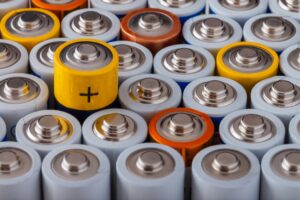
Same shape, different chemistry. A plain-looking AA can be alkaline, lithium primary, or NiMH rechargeable. If you handle all three the same way, you’re basically guessing—and guessing is what breaks recycling programs.
The 4 Ways Chemistry Changes Recycling Rules
1) Safety risk (shorting, thermal runaway, leakage)
Lithium is handled differently than alkaline because the failure modes are different. Lithium batteries are more sensitive to shorting and physical damage, and damaged units can escalate.
Damaged batteries are a separate stream for a reason: once a battery is swollen, leaking, dented, corroded, hot, or smells burned, you don’t want it mixed into a general container where it can trigger an incident.
2) Storage + packaging requirements
Terminal protection is not “nice to have.” It’s how you prevent shorts.
- Tape/cover terminals for all lithium batteries
- Tape/cover terminals for high-voltage batteries
- Tape/cover terminals for damaged/suspect batteries of any chemistry
Then keep batteries in non-metal containers, separated by type when possible, and staged cool/dry. This isn’t perfection—it’s basic control.
3) Accepted channels (what programs will actually take)
Some programs accept only certain chemistries, formats, or conditions. That’s why “mixed batteries” often turns into:
- extra sorting fees
- rejected loads
- delays while someone tries to figure out what’s actually in the container
Chemistry clarity keeps routing simple and predictable.
4) Documentation
For businesses—especially regulated industries—recycling isn’t complete without records.
Service records and certificates of recycling matter when you’re dealing with compliance, vendor oversight, or ESG reporting and someone asks, “What happened to those batteries, and when?”
The Chemistries You’ll Run Into Most
Alkaline (household disposables)
- What it is: Common disposable household batteries (AA/AAA/C/D, some 9V, etc.).
- Why it matters: Lower incident profile than lithium, but still shouldn’t be mixed casually with unknowns.
- How to handle: Keep dry and contained, follow local acceptance rules, and don’t toss loose into drawers or bins.
Lithium-ion / Lithium polymer (rechargeable packs)
- What it is: Rechargeable batteries used in phones, laptops, power tools, scanners, cordless devices, and most modern electronics.
- Why it matters: Highest incident risk when mishandled—shorting + crushing + damaged units is the danger combo.
- How to handle: Protect terminals, prevent crushing, and separate damaged/suspect batteries immediately. If you’re dealing with pouch-style packs specifically, check out our guide: lithium polymer battery recycling.
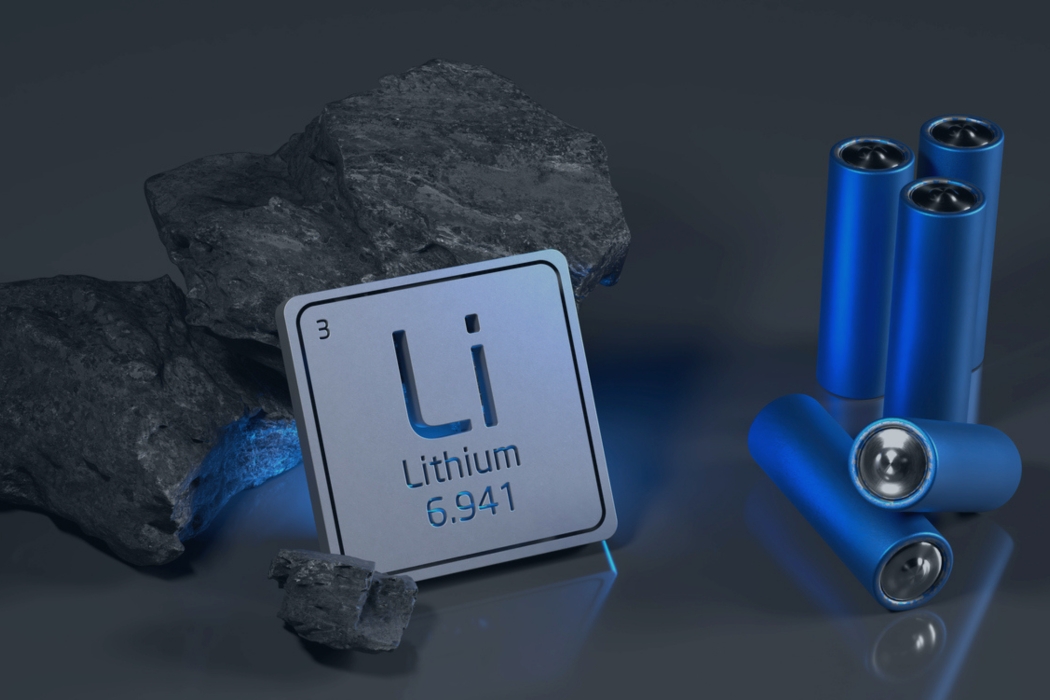
Lithium primary (non-rechargeable lithium, including long-life industrial cells)
- What it is: Non-rechargeable lithium batteries used for long-life, low-drain applications like meters, sensors, alarms, and instrumentation.
- Why it matters: They look “small and harmless,” so people store them loose or mix them—when they should be handled like lithium.
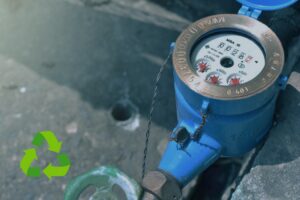
- How to handle: Tape terminals, keep separated, and route through a controlled program. For the most common industrial types, check out lithium thionyl chloride battery recycling and water meter battery recycling.
NiMH vs NiCad (rechargeables that get mixed up)
- What it is: Rechargeable cells that often look similar (especially AA/AAA rechargeables and older device/tool batteries).
- Why it matters: NiCad has stricter handling expectations because of cadmium, and mixed bins slow everything down.
- How to handle: Sort by chemistry when possible and keep unknowns separate. If you want quick sorting rules, check out NiMH battery recycling and NiCad battery recycling.
Lead-acid / SLA / AGM / Gel (sealed lead-acid family)
- What it is: Heavy batteries used in vehicles, UPS systems, telecom backup, security systems, and equipment.
- Why it matters: The recycling route is established, but bad staging causes the real problems (leaks, tipping, cracked cases).
- How to handle: Store upright, stable, and contained; move them consistently so they don’t become a storage issue. For specifics by application, check out: lead-acid battery recycling, UPS battery recycling, APC battery recycling, and absolyte battery recycling.
Button/coin cells
- What it is: Small coin/button batteries used in key fobs, watches, medical devices, and small electronics.
- Why it matters: Easy to lose and easy to short when stored loose—tiny batteries can create big headaches.
- How to handle: Keep them contained, separated, and secured. For clean handling and drop-off tips, check out: button cell battery recycling.
EV / large-format energy storage (special handling reality)
- What it is: EV packs and large-format storage batteries (including some LiFePO4 applications).
- Why it matters: Not a “box it up and drop it off” category—logistics, condition, and routing determine what’s possible.
- How to handle: Plan removal, staging, and transport like a project—because it is one.
Why “Mixed Battery Buckets” Fail in the Real World
The three most common failure modes
- Mixed chemistries + loose storage → short risk. Loose cells rolling around with other batteries (and random metal like screws/keys) is how terminals get bridged and incidents start.
- Damaged batteries mixed with intact → escalation risk. A swollen, dented, leaking, or corroded battery shouldn’t sit in the same bin as “normal” batteries. One bad unit can turn the whole container into a problem.
- No labeling/owner → stockpiles + last-minute bad decisions. If nobody owns the stream, batteries drift into closets and drawers until someone rushes a disposal decision under pressure.
What happens downstream (why loads get rejected)
Downstream programs have limits by chemistry, condition, and packaging. When a bin shows up mixed, loose, and undocumented, it creates:
- Sorting burden (labor and time)
- Safety concerns (unknown lithium + damaged units = high risk)
- Program constraints (some facilities simply can’t accept certain formats/conditions)
Result: extra fees, delayed processing, or a rejected load.
How to Build a Simple Sorting System That Works
Step 1: Define your streams
Keep it simple enough that people actually follow it. A clean starter setup:
- Lithium (rechargeable + primary)
- Lead-acid (SLA/AGM/Gel family included)
- NiMH / NiCad (only if you generate meaningful volume)
- Button/coin cells
- Unknown lithium rule: if you can’t confirm chemistry fast, treat it as lithium until proven otherwise.
Step 2: Add two labels that prevent most mistakes
This is the “boring” control that saves you:
- INTACT ONLY
- DAMAGED / SUSPECT (swollen, dented, hot, leaking, corroded, burned smell)
If you do nothing else, do this.
Step 3: Terminal protection rules
Tape terminals for:
- All lithium batteries (rechargeable or primary)
- Anything over 9V
- Anything damaged/suspect
Step 4: Set cadence (don’t let it become storage)
Battery collection fails when it turns into long-term storage. Set a rhythm:
- Monthly pickup if you generate steady volume or have multi-site flow
- Quarterly pickup if volume is light but consistent
- Project-based pickup for refreshes, cleanouts, UPS swaps, and consolidations
Reuse vs Recycling
When reuse is real
Reuse is real when it’s tested, documented, and assigned a next use. In practice that means:
- Verified condition (no swelling/damage)
- Performance testing (capacity/health as needed)
- A defined destination and timeframe
Best Recycling Route by Situation
Home / small quantities
- Use drop-off routes and confirm acceptance by chemistry (especially lithium and button/coin cells).
- Store safely until drop-off day—don’t keep loose batteries in junk drawers.
Business / multi-site / mixed condition
- Pickup + managed program is the cleanest option for consistency and documentation.
- It reduces stockpiles, standardizes handling, and makes compliance/audits easier.
Where EACR Inc. fits
EACR Inc. supports battery recycling services for businesses with:
- containers for consistent collection
- scheduled pickups
- documentation for vendor oversight, audits, and internal tracking
- and electronics recycling events in some areas when available
Common Mistakes
- Treating all batteries as one category
- Not taping lithium terminals
- Storing loose batteries in metal containers
- Mixing damaged with intact
- Waiting to “document later” (it never happens)
Frequently Asked Questions About Why Battery Chemistries Matter
Why do battery chemistries matter for recycling?
Because chemistry determines risk, handling, accepted channels, and processing—so mixing types creates safety problems and rejected loads.
What happens if I mix lithium with alkaline batteries?
You increase incident risk (especially if lithium terminals short) and make the load harder to process—many programs will charge extra or reject it.
Are all rechargeable batteries lithium?
No. Many are lithium, but NiMH and NiCad are also common—especially in older gear and certain AA/AAA rechargeables.
What’s the safest way to handle an unknown battery?
Treat it as unknown lithium: tape terminals, keep it separate, store in a non-metal container, and route through a controlled program.
Do businesses need documentation for battery recycling?
If you’re managing volume, regulated data/equipment, or ESG reporting—yes. Service records and certificate of recycling keep the process defensible.
Conclusion
Battery recycling gets simple when you accept the core truth: chemistry drives risk and routing. Sort into a few streams, separate damaged units, tape terminals when required, and keep a pickup cadence so the program stays boring and safe.
If you’re managing battery volume at a business, school, facility, or across multiple sites, EACR Inc. can set up a repeatable battery recycling program with containers, pickups, and documentation to keep everything controlled end to end.