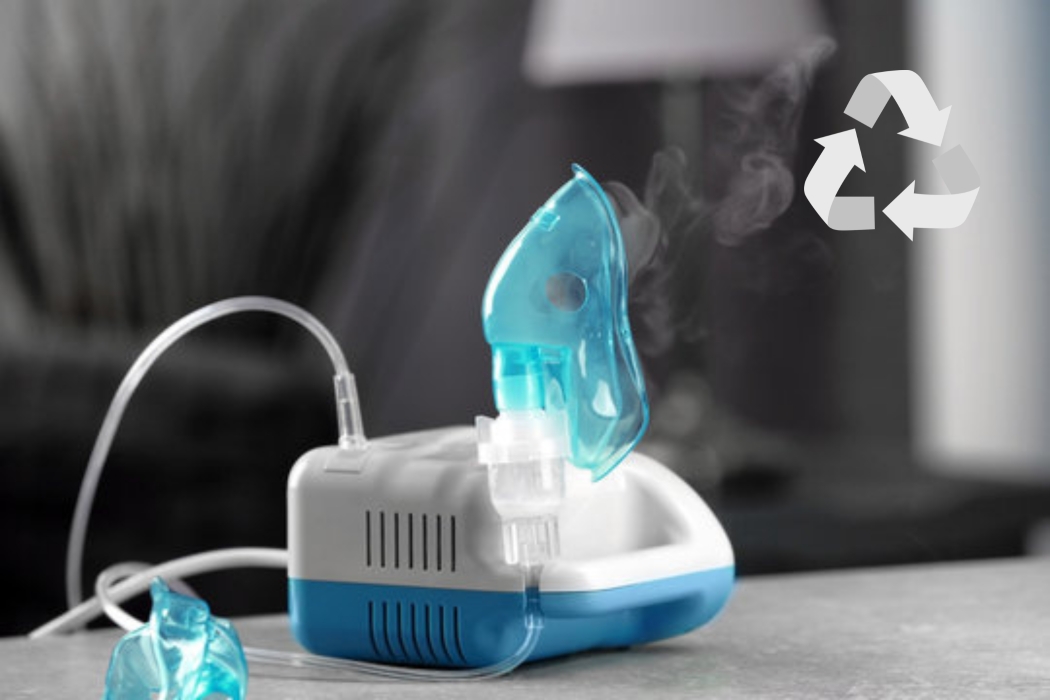
Old Nebulizer Recycling Guide
Nebulizer recycling is something most people don’t think about—until the device stops working or gets replaced. Nebulizers are common in

Nebulizer recycling is something most people don’t think about—until the device stops working or gets replaced. Nebulizers are common in
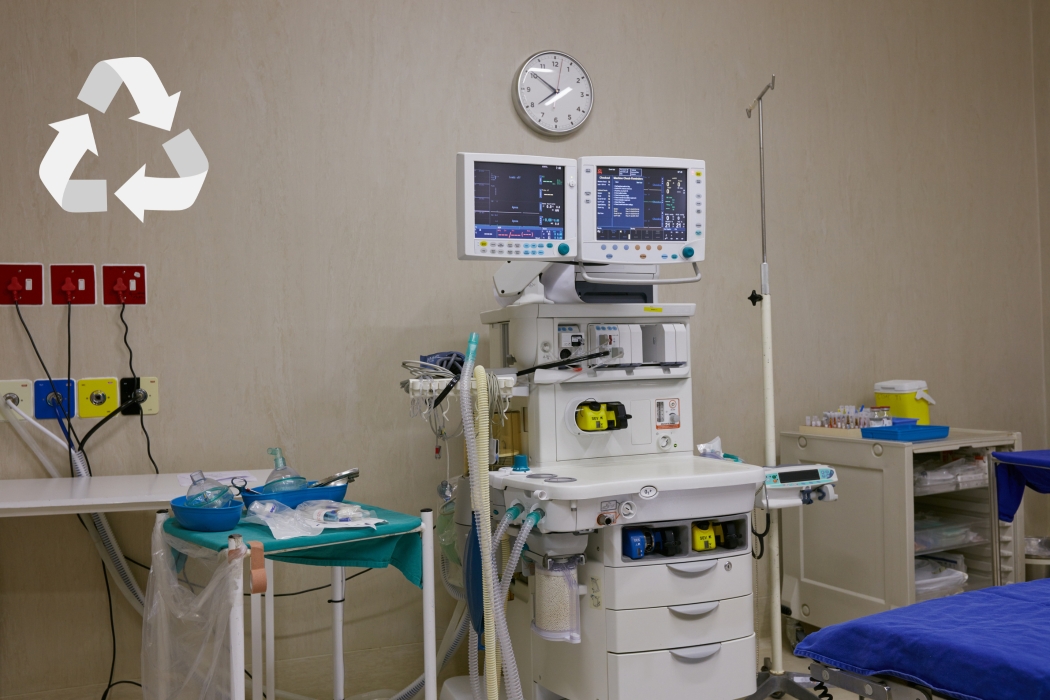
Dialysis machine recycling is something healthcare facilities eventually face, even though these machines are critical, life-supporting equipment used every day
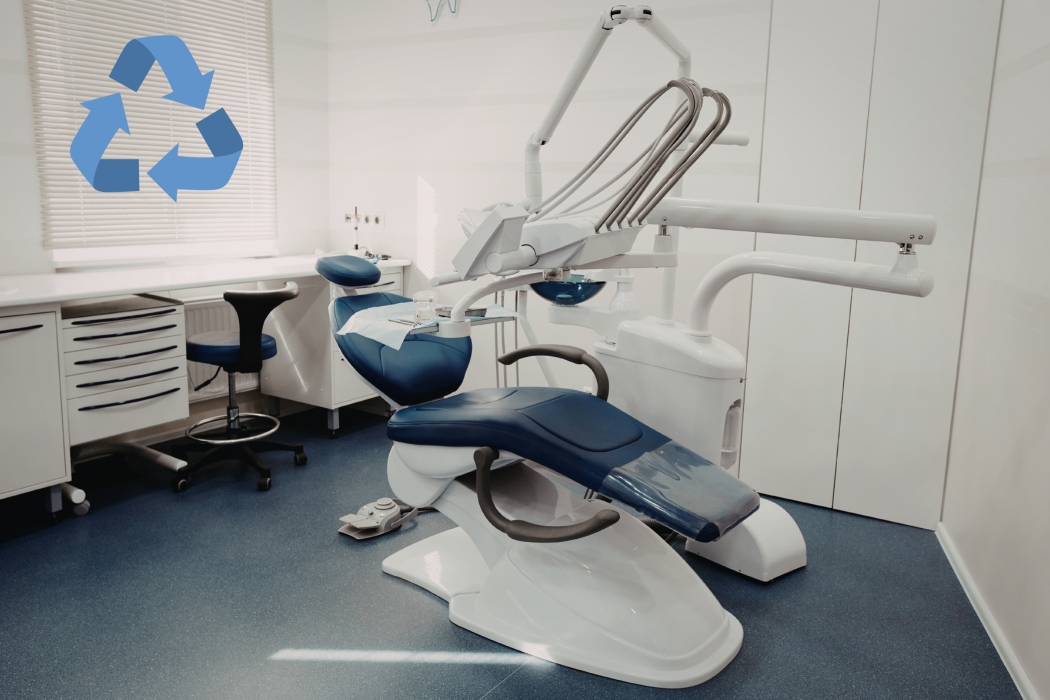
Dental instrument recycling is something every dental office eventually has to deal with, especially as tools and technology are constantly
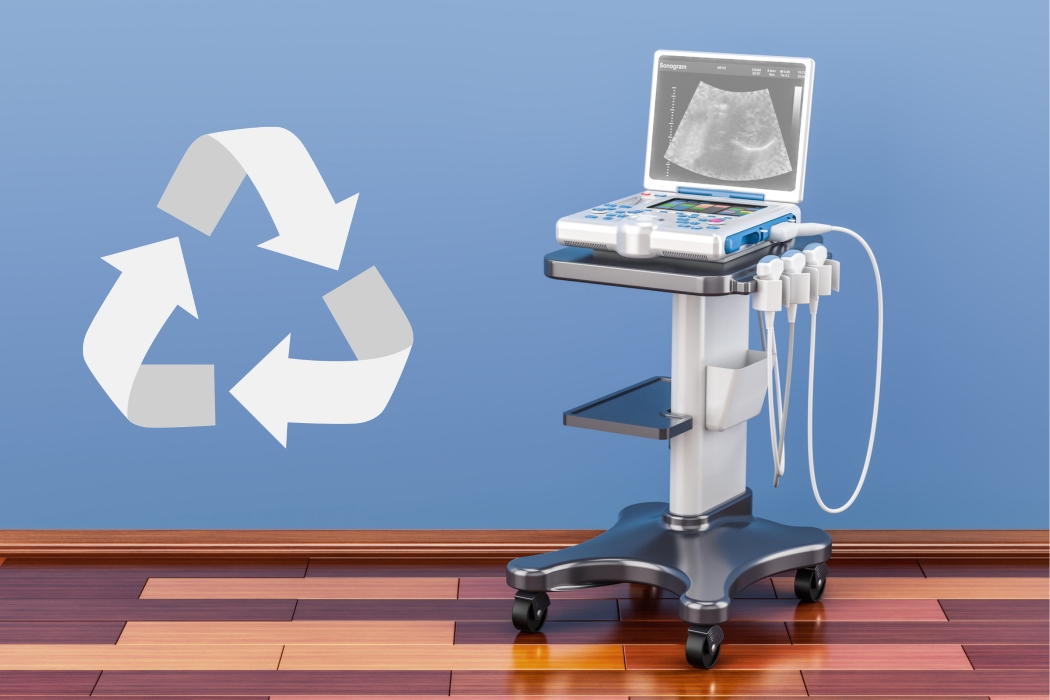
Ultrasound machine recycling is something most healthcare facilities don’t think about until it’s time to upgrade—but these machines are everywhere,
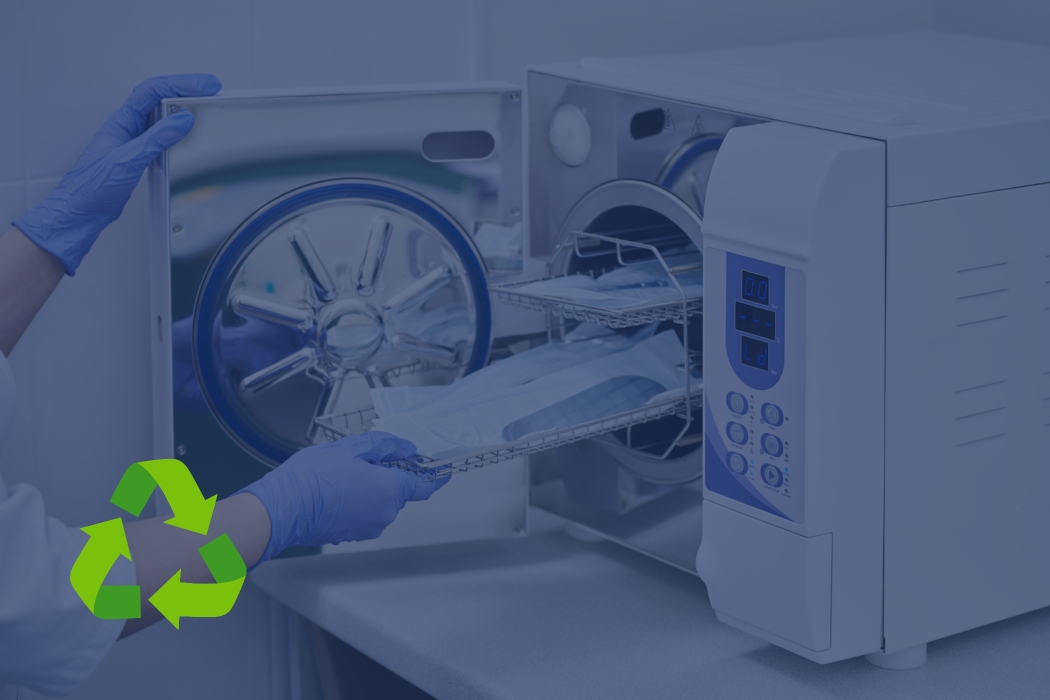
Autoclaves are regulated medical sterilization equipment — not standard scrap metal. They contain heating elements, pressure vessels, electronic control boards,
Microscopes are precision optical instruments — not standard office equipment. They contain metals, glass optics, electronic components, and sometimes digital
Blender recycling is important because these everyday kitchen appliances contain electric motors, wiring, circuit boards, and sometimes lithium batteries that
Scale recycling is often overlooked because scales seem small and harmless — but most contain electronics and batteries. From bathroom
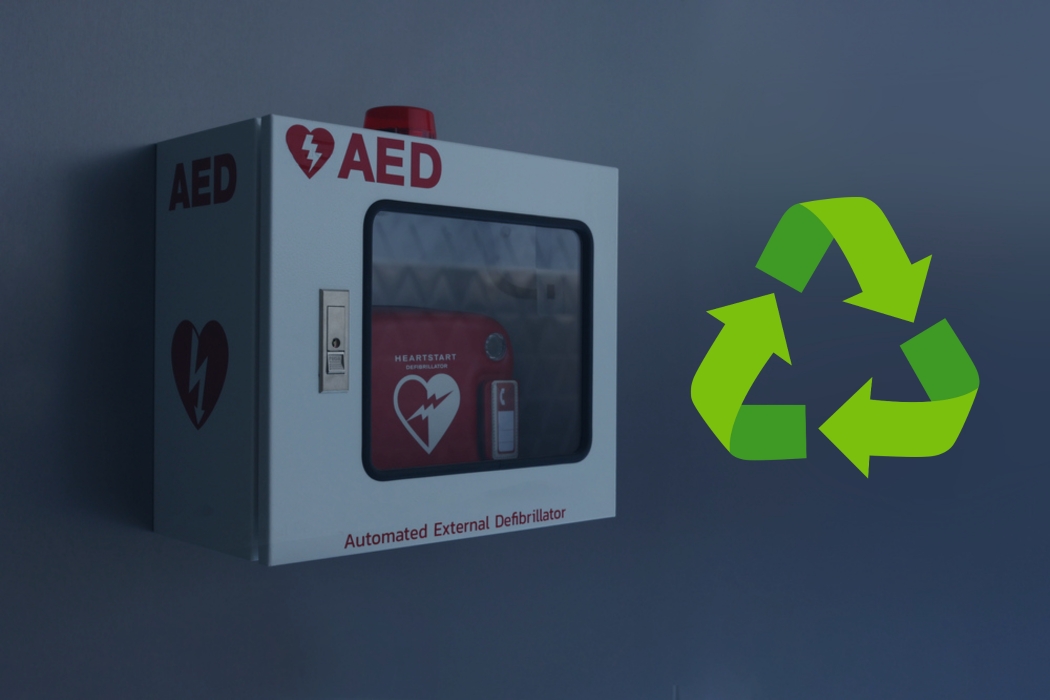
AED recycling is critical because these life-saving devices contain lithium batteries, circuit boards, and medical electronics that should never go
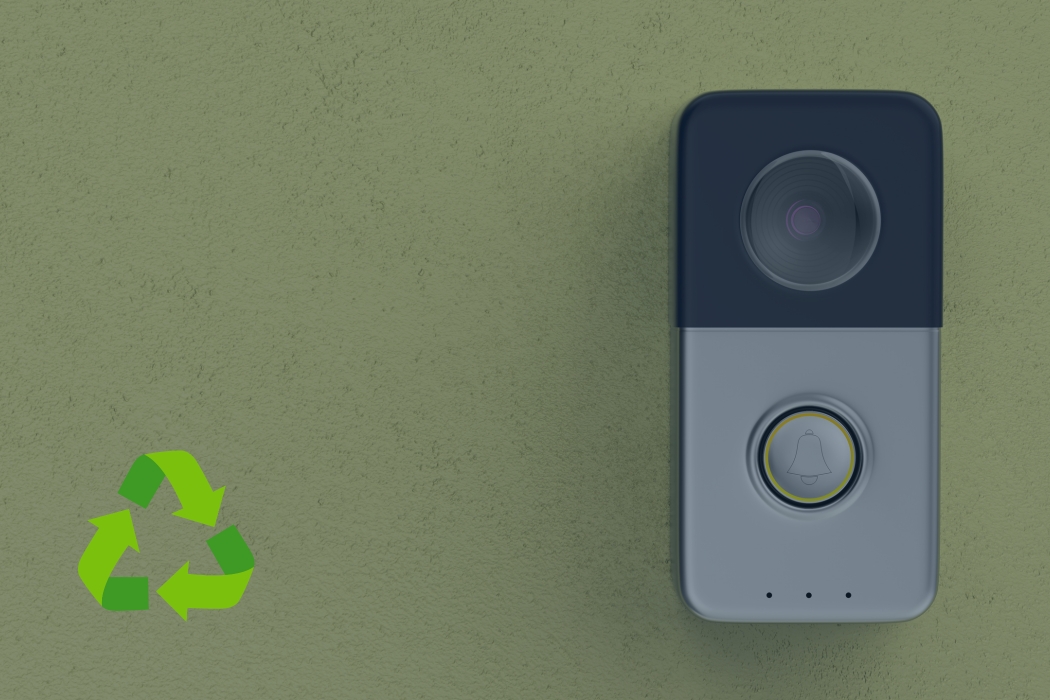
Smart doorbells upgraded? Don’t toss the old one. Video doorbells like Ring, Nest, Arlo, and others are small electronics —