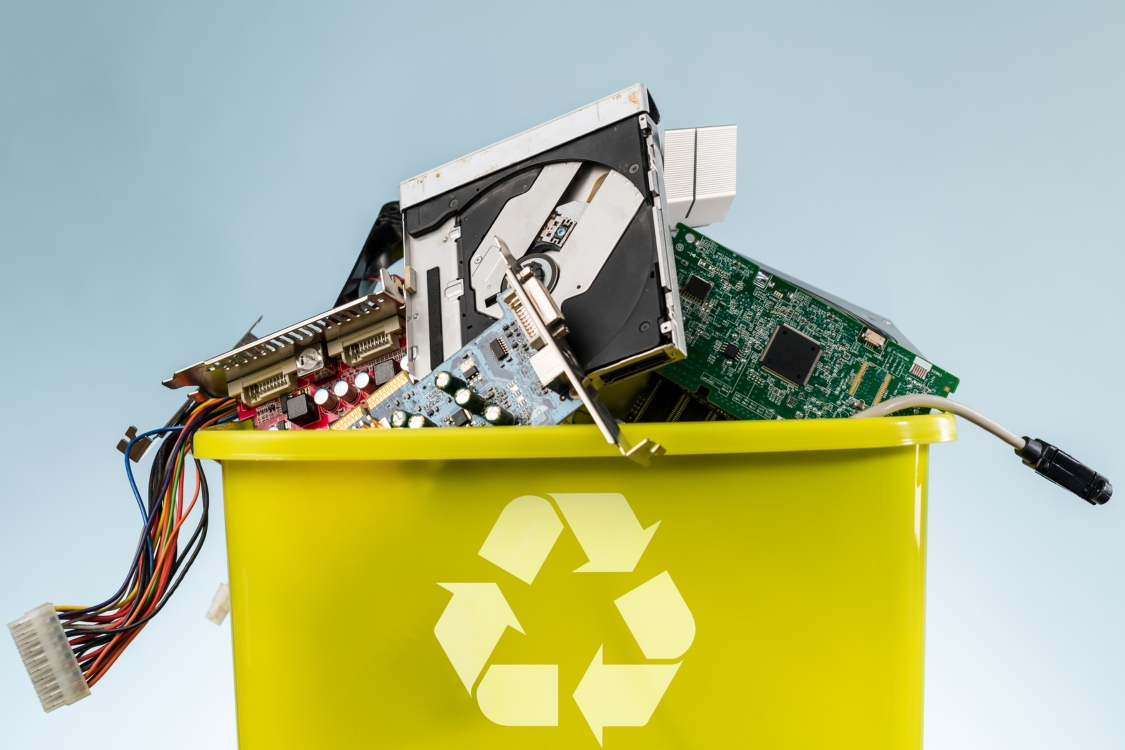
To reduce e-waste, we first need to understand what it actually is. E-waste refers to discarded electronic devices, appliances, and accessories — everything from old phones and laptops to microwaves and TV remotes. These everyday items often contain metals, plastics, and chemicals that can harm the environment when not handled correctly.
When electronics end up in landfills, toxic substances like lead, mercury, and cadmium can leak into soil and water. Over time, this contamination damages ecosystems, pollutes groundwater, and poses serious health risks to communities. The problem grows each year as technology evolves faster than we can responsibly dispose of it, leading to massive landfill overflow and unnecessary waste.
The good news is that responsible recycling makes a real difference. By using licensed electronics recyclers like EACR Inc., materials such as copper, aluminum, and plastic can be recovered and reused instead of left to pollute the planet. Proper electronics recycling prevents contamination, conserves natural resources, and reduces the need to mine new materials.
Reducing e-waste isn’t just an environmental duty — it’s both a personal and corporate responsibility. Whether you’re decluttering your home or upgrading office equipment, the choices you make can significantly impact the environment.
25 Ways to Reduce E-Waste
Household and Everyday Actions
1. Repair Before You Replace
Before tossing a broken phone, laptop, or appliance, check if it can be repaired. A simple part replacement or screen fix can extend a device’s life by years and prevent unnecessary waste.
2. Donate Functional Electronics
If your electronics still work, donate them to schools, charities, or community programs. Many organizations rely on gently used devices for education, training, and outreach efforts.
3. Recycle Through Licensed Facilities
Avoid throwing electronics in the trash. Instead, take them to EACR Inc. or a local e-waste collection event where they’ll be properly processed, recycled, and repurposed.
4. Buy Only What You Need
Think twice before upgrading to the newest phone or gadget. Buying only what’s necessary helps reduce e-waste and saves money in the long run.
5. Use Multi-Purpose Devices
Choose versatile products that perform multiple functions. For example, smartphones can serve as cameras, alarms, GPS units, and even entertainment centers — cutting down the need for multiple single-use gadgets.
6. Repurpose Old Devices
Give your old devices a second life. Turn an outdated phone into a dedicated music player, home security monitor, or a learning tablet for kids.
7. Trade-In or Sell Used Tech
Many retailers and manufacturers offer trade-in programs that reward you for recycling responsibly. Selling or trading in used tech ensures devices are refurbished or recycled correctly.
8. Avoid Single-Use Electronics
Skip disposable gadgets that break easily or can’t be repaired — like cheap earbuds or novelty electronics. Investing in higher-quality, long-lasting devices reduces e-waste over time.
9. Recycle Small Appliances Correctly
Small appliances like toasters, blenders, and hairdryers contain metals and plastics that can be recovered. Bring them to licensed electronics recycling facilities instead of tossing them into household bins.
10. Handle Batteries Safely
Batteries should never go in the trash. Store used ones in a safe, dry container and recycle them at designated drop-off locations. Proper handling prevents leaks, fires, and chemical contamination.
11. Upgrade Components Instead of Replacing Devices
To reduce e-waste, start by upgrading instead of replacing. Many devices can be revitalized with small improvements — like adding more memory, installing a new hard drive, or swapping an old battery. These simple upgrades can extend a computer’s or laptop’s lifespan by several years, saving money and keeping electronics out of landfills.
12. Wipe Data Before Recycling
Before recycling your phone, tablet, or computer, always erase all personal or business data. Wiping hard drives or performing factory resets protects sensitive information and ensures safe reuse or recycling. Electronics recyclers like EACR Inc. can also perform secure data destruction, giving you peace of mind.
13. Recycle Cables and Chargers
It’s easy to toss old cables into a drawer and forget about them — but those cords can be recycled, too. Collect unwanted chargers, USB cables, and power cords, then drop them off at e-waste events or recycling facilities. Even small accessories contain metals and plastics that can be recovered and reused.
14. Dispose of Monitors and TVs Correctly
Older CRT monitors and TVs contain leaded glass, while newer LCDs and flat screens include mercury and other hazardous materials. Both types require professional recycling to prevent environmental harm. Bring them to a licensed electronics recycler like EACR Inc. for proper processing and material recovery.
15. Buy Refurbished or Secondhand Tech
Instead of purchasing brand-new electronics, consider buying refurbished or secondhand items. Refurbished products undergo testing and repairs to meet quality standards — offering the same functionality at a lower cost. This choice helps extend the lifecycle of existing devices and cuts down on manufacturing waste.
16. Create a Company E-Waste Policy
Every business generates electronic waste, from old computers to office printers. Creating a clear e-waste policy defines how your company collects, tracks, and disposes of outdated equipment. Having a structured plan keeps recycling consistent and compliant across departments.
17. Partner With Licensed Recycling Companies
Working with a licensed recycling company like EACR Inc. ensures electronics are handled properly from start to finish. Their services include pickup, secure data destruction, and certificates of recycled materials — making it easier to stay compliant with environmental standards.
18. Host Annual E-Waste Collection Drives
Organizing an annual collection drive is a great way to engage employees, schools, or community members. These events make recycling accessible while promoting sustainability within your organization. EACR Inc. can help set up an e-waste event from coordinating collection logistics and safe processing.
19. Perform Regular Equipment Audits
Regularly review your office inventory to identify electronics nearing end-of-life. Audits help you plan for upgrades, prevent clutter, and ensure old devices are recycled responsibly instead of piling up in storage.
20. Educate Staff and Students on Recycling
Education is key to reducing e-waste at scale. Train employees or students to recognize recyclable electronics, understand safe disposal procedures, and know where to bring old devices. Small awareness efforts can lead to major environmental impact over time.
21. Buy Energy-Efficient Products
To reduce e-waste, it helps to start with smarter buying choices. Look for energy-efficient products that are built to last. Devices with longer lifespans and replaceable parts reduce the need for frequent upgrades — and that means fewer electronics ending up in landfills. Choosing durable, eco-friendly designs supports a more sustainable future.
22. Support Brands With Take-Back Programs
When you shop, consider brands that take responsibility for what they make. Many companies now offer take-back programs, allowing customers to return old electronics for recycling or refurbishment. Buying from these manufacturers ensures your devices are properly handled when they reach the end of their life cycle.
23. Recycle Packaging Responsibly
Don’t forget about the boxes and packaging your electronics come in. Cardboard, foam inserts, and plastic wrap can often be recycled separately. Breaking down and sorting packaging keeps extra materials out of landfills and supports local recycling programs.
24. Avoid Over-Charging and Over-Using Batteries
Overcharging or constantly draining batteries shortens their lifespan — leading to premature device replacement. Follow the manufacturer’s care instructions to keep batteries healthy for longer. Small adjustments, like unplugging devices once they’re fully charged, can make a noticeable difference in reducing waste.
25. Adopt a Minimalist Tech Lifestyle
The easiest way to reduce e-waste is to buy less. Focus on quality over quantity and only upgrade devices when absolutely necessary. A minimalist tech approach not only saves money but also lowers your environmental footprint by cutting back on overconsumption and excess production.
Conclusion: Small Steps Create Big Change
Reducing e-waste isn’t about doing everything at once — it’s about making thoughtful, consistent choices. Whether you’re upgrading a computer, decluttering your home, or managing equipment for a business, every action contributes to a cleaner planet.
Both households and companies play a role in this effort. Repairing, reusing, and recycling electronics responsibly can dramatically reduce waste and preserve natural resources.
If you’re ready to make a difference, EACR Inc. is here to help. Their licensed recycling services ensure your electronics are processed safely, securely, and sustainably. Ready to reduce e-waste? Contact EACR Inc. today for proper electronics recycling and pickup services.