
Commercial HVAC recycling ensures outdated or damaged systems are handled safely, compliantly, and responsibly. These units contain refrigerants, electronics, and metals that require licensed processing—not scrap disposal.
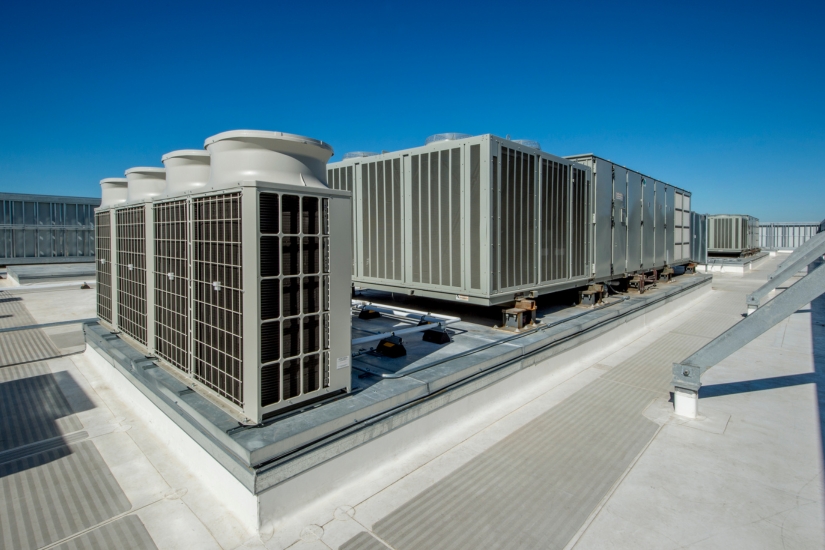
Commercial HVAC recycling is essential when systems reach end of life due to upgrades, failures, or energy retrofits. These are not simple scrap items. Large HVAC units contain regulated refrigerants, electronics, oils, and metals that must be handled by a licensed recycler.
When HVAC equipment is dumped, scrapped incorrectly, or dismantled without controls, it creates real environmental harm, fire and safety risks. Professional, licensed, zero-landfill processing isn’t optional—it’s the responsible way to retire commercial HVAC systems.
Thermostats and smart controls
Control boards and sensors
Wiring and electrical components
Compressors and motors
Variable frequency drives (VFDs)
Commercial HVAC equipment contains a mix of recyclable and reusable materials, including refrigerants, copper coils and wiring, aluminum housings and fins, steel frames, circuit boards, and oils or lubricants used in system operation.
Refrigerants must be properly recovered—never vented. Commercial HVAC systems are considered regulated waste. Oils and residues pose contamination risks if released. Metals, when processed correctly, can be recovered and reused instead of wasted. Licensed electronics recycling ensures each material stream is handled safely and legally.
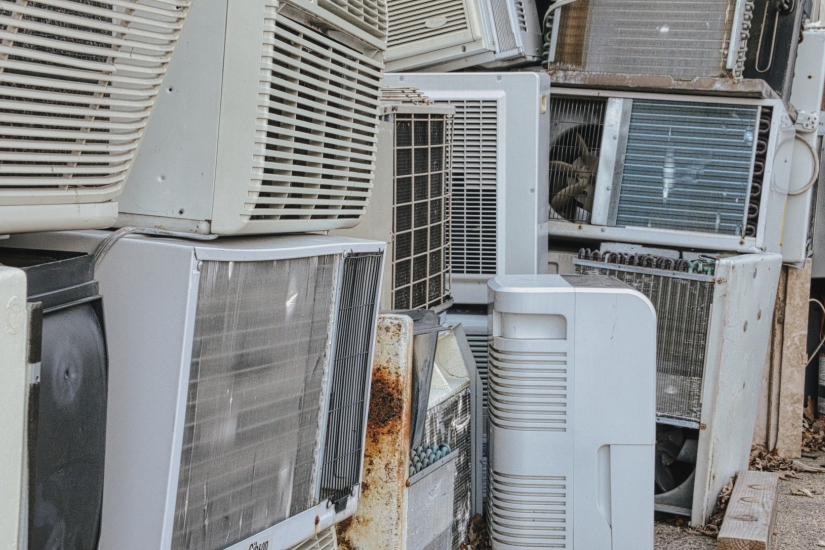
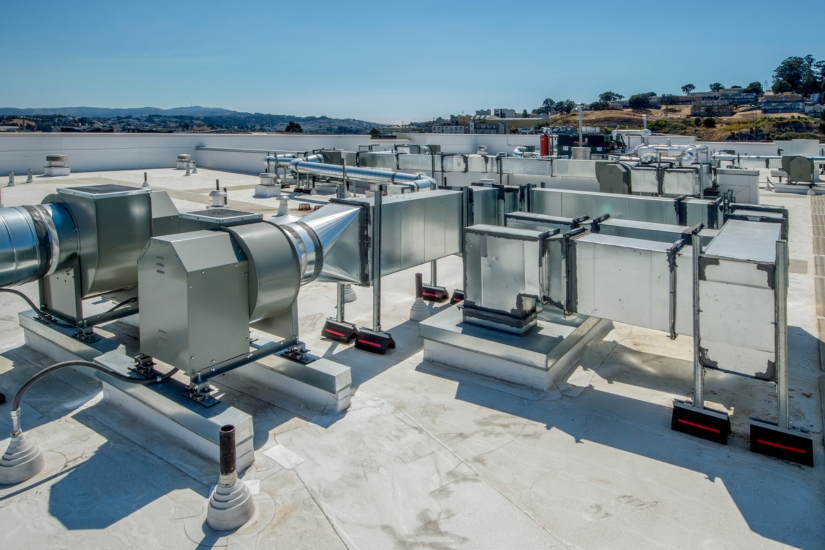
Improper handling can release ozone-depleting substances and greenhouse gases. These violations carry strict penalties and long-term environmental impact.
Oils and metals can leach into soil and groundwater, while electronic components introduce hazardous compounds into landfills—damage that persists long after disposal.
The recycling process begins with evaluation and coordination. EACR Inc. works with contractors, property managers, and facilities teams to assess the equipment, confirm site conditions, and plan safe removal and transportation. This step ensures compliance, safety, and minimal disruption to operations.
HVAC systems are processed in controlled environments. Components are dismantled and separated by material type, including metals, electronics, oils, and mechanical parts. Regulated materials are handled according to environmental and safety standards.
Recovered metals such as copper, aluminum, and steel are routed back into manufacturing supply chains. Electronic components are processed through licensed recycling channels. Oils, residues, and non-recyclable materials are managed in accordance with environmental regulations, ensuring no recyclable material is sent to landfill.
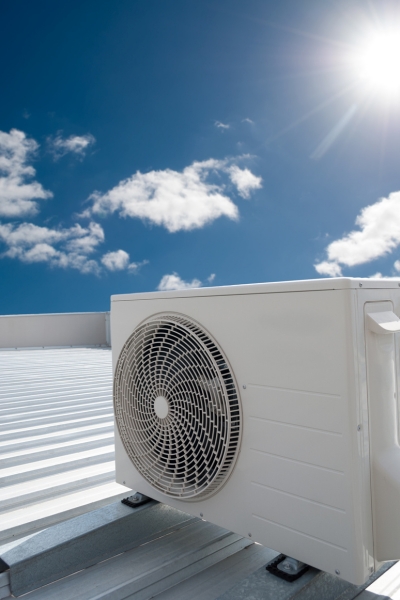
HVAC systems are complex equipment—not scrap. Proper recycling protects the environment, your organization, and your compliance standing. Licensed commercial HVAC recycling ensures safety, accountability, and responsible material recovery.
Common Questions
We recycle a wide range of commercial and industrial HVAC systems, including both complete units and major components. This includes:
Rooftop units (RTUs)
Commercial air conditioning systems
Industrial and commercial chillers
Heat pumps
Air handling units (AHUs)
Condensers and evaporators
Commercial furnaces and boilers
Cooling towers (component-based recycling)
Compressors, motors, and fans
HVAC control boards, thermostats, and smart controls
Wiring, VFDs, and electrical components
If it’s part of a commercial HVAC system and contains metals, electronics, refrigerants, or mechanical components, it typically qualifies for licensed HVAC recycling. We handle systems in any condition, including obsolete, damaged, or decommissioned equipment.
Metals such as copper, aluminum, and steel are recovered and reused. Electronics are processed through licensed recycling channels. Refrigerants, oils, and residues are handled according to applicable regulations. No recyclable material is sent to landfill.
Yes. HVAC equipment does not need to be working to be recycled. Units that are damaged, obsolete, or removed during upgrades can still be processed safely and responsibly.
Yes. Scrapping typically focuses only on metals and does not address refrigerants, electronics, or compliance. HVAC recycling processes the entire system properly and provides documentation.
Our services are used by businesses, property managers, HVAC contractors, schools, healthcare facilities, manufacturers, and municipalities replacing or upgrading HVAC systems.
"*" indicates required fields
Ready to Recycle Electronics?