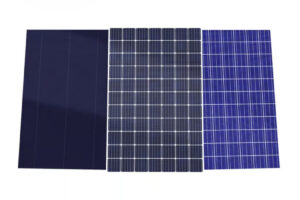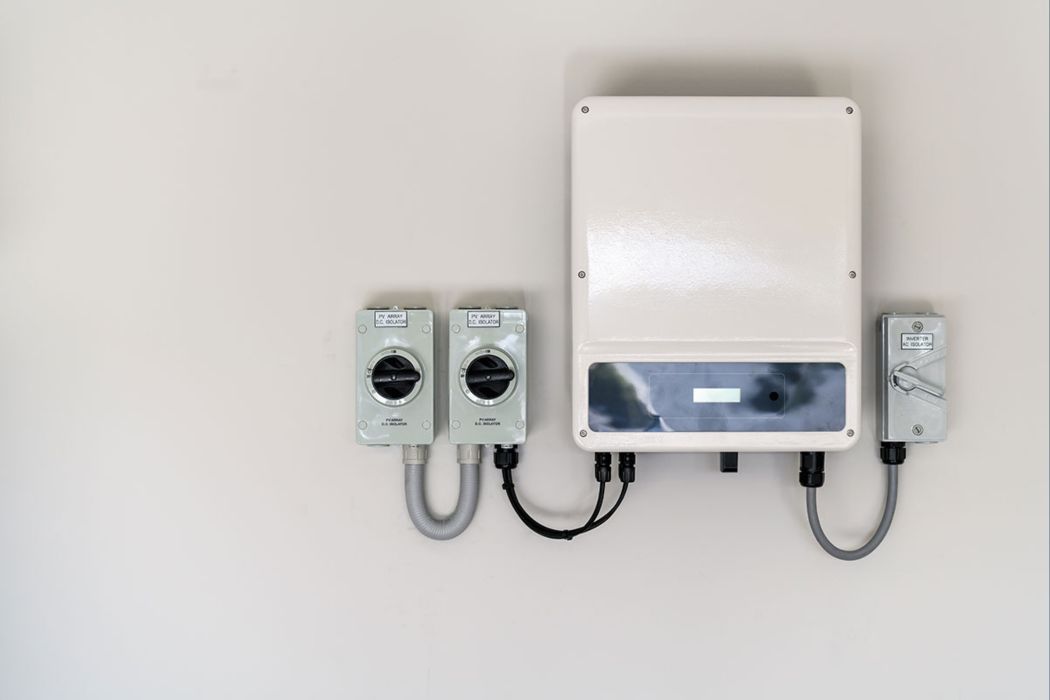
A solar inverter is the heart of any solar power system — the technology that makes your solar panels useful. While solar panels collect sunlight and generate direct current (DC) electricity, your home or business runs on alternating current (AC). The inverter bridges that gap by converting DC into AC power, ensuring everything from your lights to your air conditioner runs smoothly on solar energy.
Understanding what’s inside a solar inverter reveals more than just how it works — it shows how many recyclable materials are hidden within. Copper, aluminum, silicon, and steel are commonly found inside, and recycling these components helps minimize waste and reduce the environmental impact of old or damaged solar equipment.
If you’re upgrading or decommissioning solar equipment, proper recycling is key. Inverters, panels, and mounting systems all contain materials that can be reused instead of ending up in a landfill.
If you’re upgrading or decommissioning solar equipment, learn how our Solar Panel Recycling Program ensures every component — from cells to inverters — is handled responsibly.
How a Solar Inverter Works
At its core, a solar inverter is an energy translator. Here’s how it does its job step by step:
- DC to AC Conversion: Solar panels send DC electricity into the inverter, which uses internal components like transistors and transformers to switch it into usable AC power.
- Synchronization with the Grid: Once converted, the inverter aligns its output frequency and voltage with the power grid so your home and utility system work together seamlessly.
- Monitoring and Optimization: Modern inverters constantly track system performance, adjusting for shading, temperature, and voltage changes to maintain peak efficiency.
There are several inverter types — string, micro, hybrid, and central — but they all share the same essential internal components. The main difference lies in scale and application. A string inverter might handle power from a few rooftop panels, while a central inverter can support a full solar farm.
Key Components Inside a Solar Inverter
Power Semiconductors
These components — typically IGBTs (Insulated-Gate Bipolar Transistors) and MOSFETs — handle the critical conversion of DC to AC power. They’re built with silicon, copper, and aluminum, all of which are recyclable and commonly recovered during electronics recycling.
Transformer
The transformer adjusts voltage levels to ensure a stable power supply. Inside, you’ll find copper windings wrapped around iron cores, both of which are recyclable materials often melted down and reused in new electrical equipment.
Capacitors and Inductors
Capacitors and inductors store and regulate the electrical energy flow within the inverter. They contain aluminum, and electrolyte solutions, which can be safely recovered and reused through proper recycling.
Control Circuit Board
Often called the “brain” of the inverter, the control circuit board manages timing, power quality, and safety mechanisms. It includes printed circuit boards (PCBs) made of fiberglass, solder, and copper, making them ideal candidates for electronics recycling.
Cooling System
To prevent overheating, most inverters include aluminum or copper heat sinks, small fans, or liquid cooling channels.These metals are fully recyclable, and their recovery supports a more circular and sustainable manufacturing process.
Outer Housing
The casing that protects all internal parts is usually made from steel or aluminum, offering durability and easy recyclability. When recycled, these materials are reprocessed into new construction materials, industrial components, or even new renewable energy equipment.
Common Materials Found in Solar Inverters
| Material | Common Use | Recyclable? |
|---|---|---|
| Aluminum | Heat sinks, casing | Yes |
| Copper | Windings, wiring | Yes |
| Steel | Frame, housing | Yes |
| Plastic | Casing, insulation | Sometimes |
| Silicon | Semiconductors | Yes |
Solar inverters are packed with recyclable materials that can be recovered and reused in new manufacturing. Here’s a quick breakdown of what’s inside and how it can be repurposed:
Each of these materials plays a critical role in how the inverter functions, but just as important is what happens after its lifespan. By recovering these metals and components, recyclers can keep them out of landfills and feed them back into the renewable energy supply chain.
Why Responsible Inverter Recycling Matters
1. Reduces Landfill Waste and Prevents Contamination
Solar inverters contain metals and electronic components that shouldn’t end up in landfills. Recycling prevents hazardous materials from leaching into soil and water while keeping recyclable metals in circulation.
2. Supports a Circular Renewable Economy
When components from solar systems are recycled, they re-enter the production stream. This circular process ensures that renewable energy remains sustainable from installation to end-of-life.
3. Offsets the Environmental Footprint
Even clean energy technology has an environmental footprint. Recycling solar inverters helps offset the resources used to manufacture them, extending the life of metals and minimizing the demand for raw materials.
EACR Inc. offers complete solar panel recycling as well as solar inverter recycling solutions nationwide. Learn more about how we recover recyclable materials and keep renewable energy truly sustainable.
Final Thoughts
Solar energy is one of the cleanest, most impactful sources of renewable power — but its long-term success depends on what happens when equipment reaches the end of its life. Recycling solar inverters and panels ensures that their recyclable materials are recovered, reused, and kept out of landfills.
Businesses, installers, and property owners can make a measurable difference by choosing to recycle their old systems through a licensed recycler like EACR Inc., helping close the loop on clean energy production and protecting the planet for future generations.