Vapes may look simple, but they’re actually compact electronic devices—and that’s where disposal gets confusing. Because they’re small and often marketed as disposable, many people assume vapes are harmless to throw away once they’re empty or stop working.
From batteries and circuit boards to plastics and metals, vapes fall into the same category as other electronics. That means they require proper e-waste recycling—not curbside bins or dumpsters.
Why Vapes Can’t Go in the Trash
Vapes combine several materials that should never enter the normal waste stream, including lithium-ion batteries, electronics, plastics, and chemical residues.
The biggest risk comes from the battery. Lithium-ion batteries can ignite when crushed, punctured, or exposed to heat, making vapes a known cause of fires in trash trucks and waste facilities.
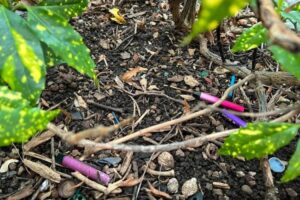
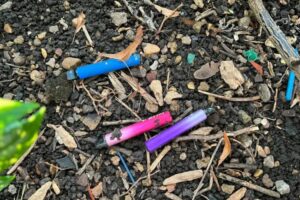
There’s also an environmental cost. Vapes can release heavy metals and nicotine residue as they break down, contaminating soil and water. Curbside recycling programs aren’t equipped to manage these risks, which is why vapes don’t belong in household recycling bins either.
Overview: What Parts of a Vape Are Recyclable?
When processed correctly at a professional e-waste facility, several vape components can be recovered, including:
- Metals from coils and structural parts
- Certain plastics from housings and pods
- Glass from tanks or small screens
- Lithium-ion batteries
Recycling these materials requires specialized handling and separation, which is why licensed electronics recyclers are essential. Vapes must be dismantled safely, with each material routed to the correct recycling stream.
Metal Components
Vape devices contain small but metal parts that are recoverable when recycled properly.
Common Metal Parts Found in Vapes
- Coil wires
- Atomizer casings
- Structural metal frames
These parts are typically made from metals such as steel, aluminum, and other alloys that can be melted down and reused in manufacturing. Recovering metals reduces the need for new mining and helps conserve natural resources.
Even though these materials are recyclable, consumers should not attempt to remove them themselves. Opening a vape exposes you to battery hazards. Licensed facilities are equipped to safely separate metal components while protecting people and the environment.
Plastic Components
Vapes rely heavily on plastic, especially in disposable designs—and that plastic creates real waste challenges.
Common plastic parts include:
- Outer shells
- Mouthpieces
- Certain pods (depending on resin type)
Not all plastics are recyclable. Many vape plastics are mixed materials, low-grade resins, or contaminated with nicotine residue, which makes them unsuitable for standard recycling programs. Licensed facilities can identify which plastic streams are recoverable and separate usable materials from those that are not. This is another reason vapes should never go into curbside recycling.
Lithium-Ion Batteries
Lithium-ion batteries are the smallest part of a vape—and the most dangerous.
These batteries pose serious fire and explosion risks when crushed, punctured, or exposed to heat inside trash bins or recycling trucks. They’re also packed with rare and critical metals used in energy storage technologies.
Batteries are the most hazardous vape component to discard improperly, but they’re also the most important to recycle correctly. Proper battery recycling prevents fires, keeps toxic materials out of landfills, and helps recover reusable metals needed for future battery production.
Electronic Components
Every vape contains electronics that qualify it as regulated e-waste.
Common Electronic Parts
- Circuit boards
- Sensors
- Screens and wiring
These components contain recoverable metals such as copper and other conductive materials, along with substances that can be harmful if released into the environment. Because of this mix, electronics must be processed by licensed recyclers that specialize in electronic waste handling.
Why You Should Not Take a Vape Apart Yourself
Taking apart a vape may seem harmless, but it carries real risks. Damaging a lithium-ion battery can cause ignition.
Once separated, individual parts have no safe disposal outlet for consumers. Licensed electronics recycling facilities exist specifically to handle disassembly safely and responsibly.
How Vapes Are Recycled at EACR Inc.
At EACR Inc., vape recycling follows a controlled, professional process:
- Collection of devices
- Battery isolation to eliminate fire risk
- Separation of metals, plastics, glass, and electronics
- Proper downstream recycling through approved partners
No vape devices or components are sent to landfills.
Environmental Benefits of Recycling Vape Components
Recycling vape parts properly delivers real environmental impact:
- Reduces landfill waste
- Prevents toxic leaching into soil and water
- Conserves metals and battery materials
- Minimizes fire risks in waste facilities
- Supports a circular economy by reusing recovered materials
Conclusion: Recycling Vape Parts the Right Way
Vapes may be small, but they’re complex pieces of electronic waste. Many vape components can be recycled—but only when handled by licensed facilities with the right equipment and safety protocols.
If you’re looking to recycle vape devices responsibly, EACR Inc. provides compliant vape recycling services that protect people, facilities, and the environment. Recycle vapes the right way with EACR Inc. Visit our vape recycling services page to learn more.