


What is a circular economy? At its core, it’s a way of thinking differently about waste—not as an end, but as the beginning of something new. Instead of throwing things away when we’re done with them, the circular economy keeps materials and products in use for as long as possible.
Today, we mostly rely on a linear economy: we take resources, make products, and throw them out when they’re used up. It’s fast, but it’s also incredibly wasteful—and our planet is feeling the strain. Landfills are overflowing, natural resources are being depleted, and environmental pollution is worsening.
In this post, you’ll learn:
- What a circular economy really means (in simple terms)
- How it compares to the traditional linear model
- Why it matters for the environment and society
- Real-world examples and how businesses like EACR Inc. are helping make circularity possible
What Is a Circular Economy?
Circular Economy Definition (Plain English)
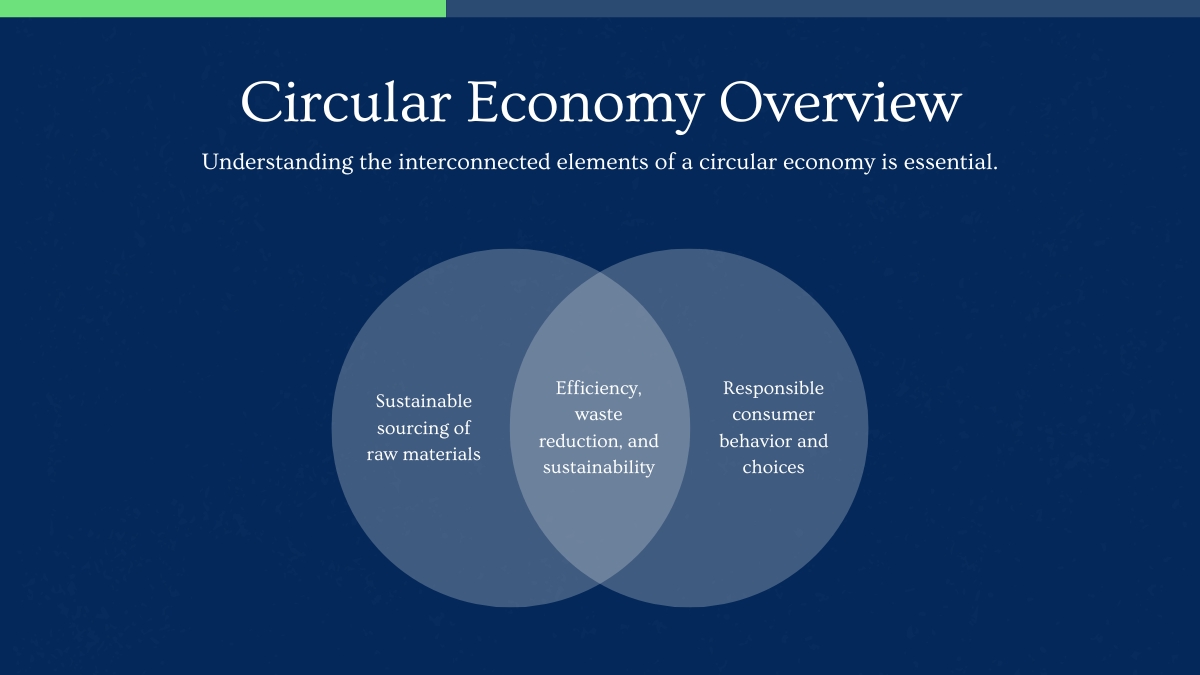
A circular economy is a system built on reuse, repair, recycling, and regeneration. Instead of making products that are destined to become waste, we design them from the start to stay in use as long as possible.
That means materials are chosen carefully, products are made to last, and when something breaks—it’s fixed, not tossed. When it can’t be fixed, it’s recycled, and the recovered materials go back into the system. The goal is to create a closed loop that minimizes waste and maximizes value.
It’s not just about recycling—it’s about rethinking how we make, use, and dispose of things.
How It Differs From a Linear Economy
A linear economy works like this:
Extract → Produce → Consume → DisposeA circular economy, by contrast, looks more like:
Design → Use → Reuse → Recycle → Regenerate
| Feature | Linear Economy | Circular Economy |
| Resource Use | Finite, single-use | Regenerative, long-term use |
| Product Design | Built for convenience or cost | Built for durability, repair, recycling |
| Waste Outcome | Ends in landfills | Loops back into the system |
| Environmental Impact | High pollution and emissions | Reduced carbon footprint and less waste |
In a circular system, the idea is to close the loop—so that nothing truly becomes waste.
Key Principles of a Circular Economy
Design Out Waste and Pollution
The first principle of a circular economy is to design waste out of the equation. That means choosing materials that last longer, produce less pollution during production, and can be reused or recycled at the end of a product’s life. Instead of treating waste as inevitable, circular thinking builds smarter products from the start.
This approach doesn’t just apply to packaging—it influences the shape, function, materials, and even business models behind the products we use every day.
Keep Materials and Products in Use
The second core idea is keeping materials in use for as long as possible. That includes:
- Reuse: Giving products a second life (like refurbished laptops or repurposed textiles)
- Repair: Fixing broken items instead of throwing them out
- Recycle: Breaking items down to recover materials for new manufacturing
When done correctly, this loop extends the value of every material and reduces the need for constant extraction of raw resources.
Regenerate Natural Systems
Circularity isn’t just about minimizing harm—it’s about giving back. This principle goes beyond sustainability to actively restore ecosystems by using regenerative practices.
Think compostable materials that enrich soil, or switching from fossil fuels to renewable energy. The goal is to mimic nature’s cycle: nothing wasted, everything returned to the system in a beneficial way.
Why the Circular Economy Is Important
Reducing Waste and Pollution
The current linear economy is a major driver of global waste and pollution. From plastic in oceans to overflowing landfills, it’s clear that the “take–make–throw away” model isn’t working. According to the United Nations International Resource Panel, natural resource extraction and processing account for over 90% of biodiversity loss and water stress, and around 50% of global greenhouse gas emissions [UN IRP, 2019].
Circularity offers a smarter solution: one where resources are valued, reused, and kept in circulation—cutting pollution at the source.
Supporting Climate Goals
Circular systems directly support climate action by reducing emissions tied to resource extraction, manufacturing, and waste.
Instead of burning fossil fuels to create new materials, a circular approach reuses what’s already in circulation, resulting in fewer emissions and less environmental harm.
As noted above, around half of all global GHG emissions come from the way we extract and use materials. Shifting to circular models isn’t just good for waste management—it’s a critical part of the climate solution.
Advancing Environmental Justice
The environmental burden of waste and pollution is not shared equally. Many landfills, incinerators, and waste-processing facilities are located near low-income or marginalized communities, exposing residents to health risks and lowering quality of life.
A circular economy reduces these impacts by minimizing waste generation in the first place. Fewer landfills, fewer toxins, and cleaner air all contribute to a more just and equitable system—one where economic benefits and environmental protection go hand in hand.
Circular Economy in Action: Real-World Examples
Circular Electronics Initiative (EU)
The Circular Electronics Initiative—part of the EU’s Green Deal—aims to increase the lifespan of electronics by introducing a “right to repair,” improving product durability, and standardizing chargers. It also emphasizes better collection and treatment of electronic waste, and supports safer materials in manufacturing.
This initiative shows how governments can use legislation to push industries toward more circular practices, especially in fast-moving sectors like consumer tech.
How EACR Inc. Supports the Circular Economy
Electronics Recycling as a Key Pillar
Electronics waste (or e-waste) is one of the fastest-growing waste streams in the world—and it’s filled with metals and materials like gold, copper, and lithium. Instead of letting those materials go to waste in landfills, EACR Inc. recovers and recirculates them, keeping resources in use and reducing the need for new mining.
Recycling electronics is one of the most effective ways to support circularity—and it’s what we do best.
Licensed and Responsible Material Recovery
At EACR Inc., all electronics are safely processed through licensed, compliant procedures. We follow all applicable regulations to ensure every part—from circuit boards to casings—is handled responsibly.
We maintain a zero-landfill policy, meaning no electronic waste we process is dumped or wasted. Our goal is always to recycle and recover as much material as possible.
Extending Product Lifecycles Through Safe Disposal
Improper disposal of electronics contributes to pollution, e-waste, and lost resources. By choosing licensed electronics recycling through EACR Inc., you’re helping extend the usable life of materials and protect the environment from toxic runoff and heavy metals.
We’re not just disposing—we’re giving devices a second life, and keeping them out of the waste stream for good.
How You Can Support the Circular Economy
Buy Reused or Refurbished Electronics
Save money and the planet by choosing refurbished laptops, phones, and tablets instead of buying new. It keeps products in use longer and reduces demand for raw materials.
Recycle E-Waste Through Licensed Facilities
Don’t toss old electronics in the trash. Bring them to a licensed electronics recycler like EACR Inc. to ensure safe, responsible material recovery.
Advocate for Right to Repair and Circular Policies
Support legislation that empowers consumers to fix what they own, and encourages manufacturers to design for durability, upgradeability, and repair.
Choose Products Designed for Longevity
Buy less—but better. Look for products with modular parts, repair guides, and long-term warranties. Durability is a key part of circular design.
Conclusion: A Circular Future Starts Now
The shift toward a circular economy isn’t optional—it’s essential. The way we currently produce and dispose of products is unsustainable. But we have the tools, the knowledge, and the opportunity to create a smarter, cleaner, more circular system.
Businesses like EACR Inc. are leading the way by making electronics recycling accessible, responsible, and impactful. But circularity isn’t just about companies—it’s about individuals too.
Ready to do your part? Recycle your electronics the right way with EACR Inc. and help build a future where waste becomes a resource, and sustainability is built into everything we do. Contact us today.