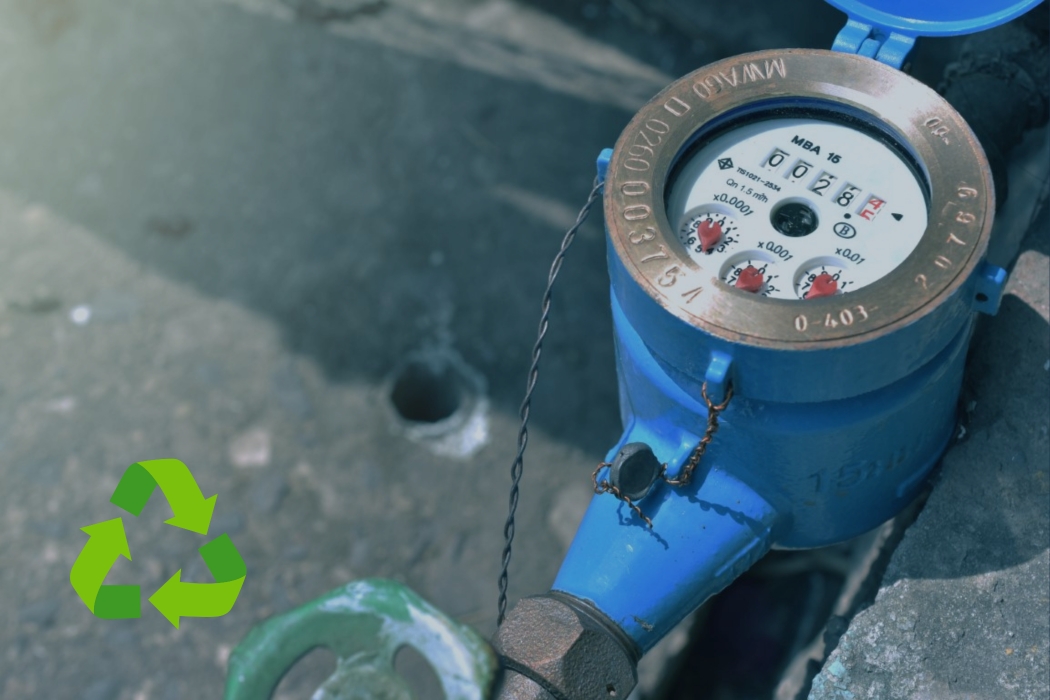
Water meter battery recycling is one of those “sounds simple, gets messy fast” jobs—because you’re dealing with battery-powered devices, not just scrap. These units are often deployed in bulk, and mishandling can create real fire risk, compliance exposure, and logistics headaches. This guide breaks down how to identify the battery type, how to stage and pack safely, the best recycling paths (drop-off vs pickup), and what records to keep so the project closes clean.
Quick Answer: Can You Recycle Water Meter Batteries?
Yes—recycle them through a battery recycling program.
Best default workflow:
identify → isolate → protect terminals → label → route through a controlled program
Plan for two lanes from day one:
- Intact meters/batteries (standard handling)
- Damaged/suspect meters/batteries (stricter handling + packaging)
What is a Water Meter Battery?
Water meter batteries aren’t “loose AA’s.” They’re typically part of a battery-powered device used for critical tracking and reporting—so the end-of-life process needs to be controlled.
Where these batteries show up
- Municipal deployments and utility changeouts
- Submetering programs
- Commercial buildings and campuses
- Multi-family housing portfolios
Common battery formats you’ll see
- Sealed internal packs (battery stays inside the unit)
- Replaceable modules
- “Battery can” styles (varies by manufacturer/model)
Why bulk volumes change everything
A few meters in a box is one thing. Thousands of units is a different game—especially if they’re loose-staged, unlabeled, or mixed with other materials. That’s how you get delays, rejected loads, and unsafe handling.
What Types of Batteries Are Inside Water Meters?
Different models use different chemistries—and “it says lithium” isn’t specific enough to guess safely.
Most common chemistries (plain English)
- Lithium primary (very common in long-life metering)
- Lithium-ion rechargeables (less common, but possible depending on device)
- Other variants depending on model/region/program
How to confirm chemistry without guessing
- Check labels/markings on the meter or battery module
- Use model lookup from manufacturer documentation
- If you can’t confirm: treat it as unknown lithium, keep it separate, and label it clearly
Why You Can’t Toss Water Meters or Meter Batteries in the Trash
- Fire risk: crushing/compaction in dumpsters, trucks, and transfer stations can trigger battery events
- Environmental risk: battery materials + electronics components don’t belong in landfills
- For organizations: preventable incident + reporting + audit headaches (and the cleanup is always worse than the prep)
Safety First: Handling and Storage Before Recycling
Basic do’s and don’ts
Do:
- Keep units intact
- Store cool and dry
- Prevent movement/rattling (stable containers, no free-toss piles)
Don’t:
- Dump loose units into metal bins
- Stack heavy items on top
- Toss into scrap streams “because it’s mostly metal”
Terminal protection
- Tape exposed terminals
- Cap/cover connectors when possible
- Bag individually when needed (especially for loose modules)
Separate intact vs damaged/suspect
Use two containers, clearly labeled:
- “Intact Water Meter Batteries / Devices”
- “Damaged/Suspect Lithium Battery Devices”
No mixing “to save space.” That’s how the whole load becomes the problem.
What If a Meter/Battery Is Swollen, Leaking, Hot, or Damaged?
Immediate steps
- Don’t charge it / don’t test it
- Isolate away from other batteries/devices
- Store in a stable, non-conductive setup (no metal bins, no loose contact)
Why damaged rules are stricter
Damaged units have a higher chance of internal short and thermal events. Many programs require special packaging and/or pre-approval before they’ll accept the load—so flag them early and keep them separate.
How to Prepare Water Meters and Batteries for Recycling
Step 1: Inventory (even rough counts)
You don’t need a perfect spreadsheet to start—you just need something better than “a pile.”
- Count units by site/location
- Capture meter type/model if you have it (even partial info helps)
- Note condition: intact / damaged / unknown
- Flag anything weird early (swollen units, corrosion, broken housings)
Step 2: Decide your recycling lanes
This is where projects either stay clean—or turn into chaos.
- Whole meters = device stream
- Removed battery modules = battery stream
- If batteries are not easily removable, keep units intact (don’t force disassembly)
Rule of thumb: if removing batteries turns into a “DIY teardown,” you’re creating risk, not solving it.
Step 3: Pack and label correctly
Packaging matters because these are battery-powered devices—crushing and loose loads are how incidents happen.
- Use totes/boxes (not free-pour piles in bins)
- Keep intact separate from damaged/suspect
- Label every container with:
- Site
- Contents
- Estimated count
- Chemistry (or “unknown lithium”)
- Condition notes (intact vs damaged)
- Site
Recycling Options: The Three Most Common Paths
Option 1: Drop-off (best for small quantities)
Best when you’ve got a handful of meters/modules and you can transport them safely.
Option 2: Mail-in programs (small-to-medium)
Good when you want predictable logistics and can follow packaging rules.
Option 3: Scheduled pickup (best for utilities + bulk projects)
The cleanest option for multi-site rollouts, replacements, warehouse staging, and contractor jobs.
What Happens After Collection
Intake + sorting
At intake, the goal is simple: separate and control risk.
- Device loads kept separate from battery loads (when applicable)
- Damaged/suspect units flagged for controlled routing
- Mixed/unlabeled loads get slowed down—sometimes rejected—because nobody wants surprises
Processing overview
High-level flow (no mystery, just controlled steps):
- Demanufacturing + material separation: metals, electronics, plastics
- Battery stream routed through appropriate downstream handling based on chemistry + condition
Documentation and Records to Keep
Minimum records
If you’re a business, utility, or contractor, keep the basics tight:
- Site/location
- Removal date
- Quantities by category (whole meters vs modules, intact vs damaged)
- Condition notes
- Service record/receipt + certificates of recycling
If you’re doing large deployments
This is what keeps bulk projects from turning into reconciliation hell:
- Pallet IDs
- Reconciliation notes (what left vs what was received)
- Exceptions list (damaged/unknown units, oddball chemistries, broken housings)
Costs, Logistics, and Why Projects Get Stuck
What drives cost/complexity
- Volume
- Packaging labor
- Chemistry uncertainty
- Damaged units that need special handling
- Multi-site coordination
- Documentation requirements
Common failure points
- No inventory
- Mixed loads (meters + loose batteries + scrap) in unlabeled containers
- Last-minute “cleanout day” chaos
Simple fixes
- Standardize bins
- Separate categories early (device vs battery; intact vs damaged)
- Label by site
- Schedule pickup windows before staging becomes the problem
Frequently Asked Questions About Water Meter Battery Recycling
Can I throw water meters or meter batteries in the trash?
No—these are battery-powered devices and should go through a battery/electronics recycling program, not trash or scrap.
What type of battery is usually inside a water meter?
Often lithium primary for long-life deployments, but it varies by model—confirm via labeling or manufacturer info.
Do I need to remove the battery before recycling the meter?
Not always. If the battery isn’t easily removable, keep the unit intact and recycle it as a battery-powered device.
What if I can’t identify the battery chemistry?
Treat it as unknown lithium, isolate it, protect terminals, label it, and route through a controlled program.
Can damaged water meter batteries be recycled?
Usually yes—but damaged/suspect units often require separate packaging and may need pre-approval.
What records should a utility or contractor keep?
Site/location, dates, counts by category, condition notes, and service records—plus reconciliation details for large rollouts.
Conclusion
- Identify and label what you have (don’t guess chemistry)
- Protect terminals and pack to prevent crushing
- Separate damaged/suspect units from intact loads
- Choose the right path (drop-off, mail-in, or pickup)
- Keep records tight so closeout is clean
If you’re dealing with a bulk meter replacement project, the easiest win is getting pickup + staging guidance + documentation handled as one coordinated workflow—especially across multiple sites. Contact EACR Inc for battery recycling services.