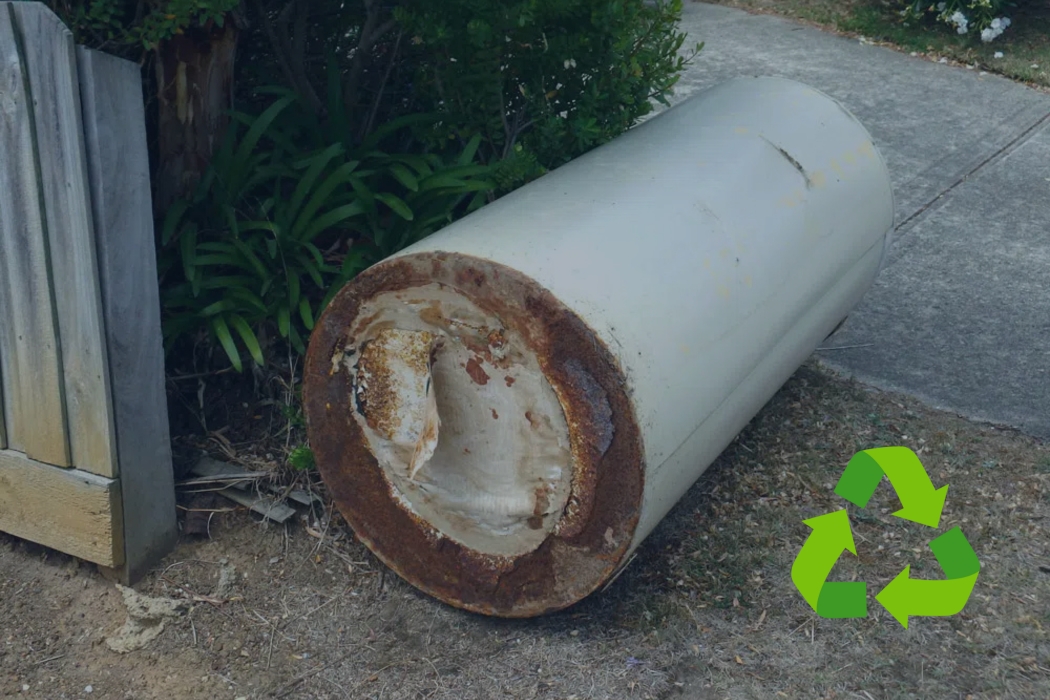
Water heater recycling is essential as old units pile up in homes, apartments, and commercial buildings. These appliances are large, heavy, and full of materials that can either be responsibly recovered or become a problem if tossed in the trash. Many water heaters contain metals, wiring, and in the case of hybrid or heat pump models, refrigerants that require careful handling. Dumping them into a landfill—or leaving them to rust in storage—is unsafe, wasteful, and often against disposal regulations. Recycling is the responsible alternative, ensuring the unit is taken apart safely and its reusable materials make their way back into manufacturing instead of becoming waste.
Why Water Heater Recycling Matters
Environmental Risks of Improper Disposal
Water heaters may seem harmless once they stop working, but the tank and internal components can cause issues if they end up in a landfill. Steel, copper, aluminum, and wiring all contribute to long-term waste and environmental contamination. Some models include electronic parts that require licensed processing to prevent toxins from entering soil and water.
Hazardous Components in Certain Models
Hybrid and heat pump water heaters often contain refrigerants, which must be removed by licensed professionals. Attempting to dismantle these units yourself can cause leaks or release harmful chemicals. Any electronic components inside electric or hybrid models also need proper handling to ensure safe disposal.
Waste Reduction & Resource Recovery
Recycling keeps reusable materials—steel, copper, aluminum, and brass—circulating in the manufacturing stream. Recovering these metals reduces the need for new mining, lowers energy consumption, and supports a more sustainable system overall. Proper water heater recycling turns a bulky piece of waste into materials that can be used again.
What’s Inside a Water Heater?
Steel Tank & Outer Casing
The tank is the heaviest component of most water heaters and is typically made of steel, which is highly recyclable. The outer casing is also metal and can be processed for reuse.
Copper & Brass Components
Inside, you’ll find copper tubing, brass fittings, and metal heating elements—all of which are reusable materials with strong recycling value. These components are commonly separated and recovered during the recycling process.
Electronics & Wiring
Electric and hybrid models include circuit boards, wiring, thermostats, and control modules. These require licensed electronics recycling to ensure safe processing and proper removal of any hazardous materials.
How Water Heater Recycling Works
Collection & Transport
Before a water heater can be recycled, it must be fully drained to eliminate leftover water. Because of their size and weight, moving these units requires care. Homeowners can drop them off at approved facilities, while businesses—such as contractors, property managers, and installers—can schedule pickups with a licensed recycler for easier handling.
Safe Appliance Disassembly
Once the unit arrives at a facility, specialists cut the tank open, remove internal parts, and separate the metals. Hybrid water heaters require an additional step: the safe recovery of refrigerants. Licensed technicians use proper equipment to prevent leaks or environmental harm.
Material Sorting & Reuse
After disassembly, each material is sorted. Steel, copper, brass, and aluminum are recovered and sent to appropriate e-waste processing centers. Electronics are routed through specialized recycling streams to ensure safe and compliant handling. This process ensures the maximum amount of material is reused rather than wasted.
Where to Recycle Water Heaters
When it comes to water heater recycling, knowing your options makes the process simple, safe, and compliant. Whether you’re replacing a single unit at home or disposing of multiple appliances from commercial properties, there are several reliable places to recycle old water heaters.
Retailer & Manufacturer Haul-Away Programs
Many retailers offer haul-away services when delivering a new water heater. Big-box stores and HVAC distributors often include recycling or proper disposal as part of the installation package. It’s an easy, hands-off solution for homeowners upgrading their system.
Local Scrap Metal Facilities
If your water heater is a traditional electric or gas tank without electronics, local scrap metal yards are a solid option. They typically accept metal-only units and will process the steel and other reusable materials. This option works best for simple tank-style models.
Licensed Electronics Recyclers
Hybrid, heat pump, and electronic water heaters require licensed electronics recycling due to internal wiring, circuit boards, and refrigerants. These units can’t be dropped at a scrap yard because of the hazardous components inside. EACR Inc. accepts water heaters with electronic parts and ensures they’re processed safely and in compliance with disposal regulations.
Bulk Pickups for Contractors & Property Managers
For HVAC installers, apartment complexes, hotels, and maintenance teams dealing with multiple units, bulk recycling is the most efficient option. Licensed recyclers like EACR Inc. offer scheduled pickups and container programs tailored for contractors and large properties. It keeps job sites clear and ensures every unit is handled properly.
How to Prepare a Water Heater for Recycling
Preparing your appliance correctly helps protect workers, makes transport easier, and speeds up the recycling process.
Drain the Tank Completely
Before moving the unit, make sure the tank is fully drained. This prevents leaks, reduces weight, and helps avoid mold or water damage during transport.
Disconnect Power or Gas Safely
Turn off the electricity or gas feeding the unit, and follow the manufacturer’s instructions for proper disconnection. If you’re unsure—or working with a gas unit—it’s best to hire a licensed professional to avoid safety risks.
Remove Attachments & Accessories
Detach hoses, pipes, fittings, and removable components. Most of these parts are recyclable on their own and make the main unit easier to transport.
Why Businesses Choose EACR Inc. for Water Heater Recycling
When businesses need a reliable partner for water heater recycling, EACR Inc. stands out for safety, compliance, and convenience.
Licensed Handling of Electronic Components
Electric and hybrid water heaters contain electronics and sometimes refrigerants that require licensed processing. EACR Inc. ensures these materials are handled safely and according to all regulations.
Bulk Collection & Container Programs
Designed for high-volume needs—HVAC contractors, rental properties, hotels, and commercial facilities—EACR Inc. provides container placements and scheduled pickups. It’s a streamlined solution that keeps projects moving without interruption.
Certificates of Recycling for Compliance
Every recycling job comes with a Certificate of Recycling, giving businesses documentation they can use for audits, sustainability reporting, or internal compliance.
Zero-Landfill Policy for Reusable Materials
EACR Inc. operates under a strict zero-landfill policy, ensuring steel, copper, aluminum, and other reusable materials are reclaimed responsibly instead of becoming waste.
Frequently Asked Questions
No. Most states prohibit appliances—especially those with electronics or refrigerants—from going into household trash. It must be recycled properly.
Some do. Hybrid and heat pump models contain refrigerants, while electric models include wiring and circuit boards. These require licensed recycling.
Yes. EACR Inc. offers bulk pickups for contractors, property managers, and commercial clients handling multiple units.
Yes. Hybrid models contain refrigerants and electronics that must be handled by licensed professionals to ensure safe, compliant disposal.
Final Thoughts on Water Heater Recycling
Water heater recycling protects the environment, reduces landfill waste, and recovers reusable metals that can be put back into manufacturing. Both homeowners and businesses benefit from proper disposal, especially as modern units include more electronic components and materials requiring careful handling. If you’re ready to recycle one water heater—or dozens—contact EACR Inc. for licensed, compliant, and environmentally responsible recycling services.