


Why You Should Recycle Old Washers
Environmental risks of improper washer disposal
Throwing an old washer in the trash may seem easy, but it’s a major environmental risk. Washers contain chemicals and heavy metals that can leak into soil and water when left in landfills. This not only pollutes the environment but also poses health risks to people and wildlife.
Toxic components in washers: mercury, lead, cadmium
Older washers often contain harmful substances like mercury in switches, lead in wiring, and cadmium in batteries or circuit components. If these materials aren’t handled properly, they can contaminate ecosystems and drinking water sources.
Natural resource recovery: steel, copper, aluminum
Washers are made from recoverable materials such as steel, copper wiring, and aluminum. When washers are recycled, these metals are recovered and reused in manufacturing—saving the energy and environmental toll of mining and processing raw materials.
Sustainability benefits: less landfill, lower emissions
Recycling washers reduces the amount of waste sent to landfills and cuts down on greenhouse gas emissions. It also supports a more circular economy, where old appliances become raw materials for new products.
Best Washer Disposal Options Available
Overview of legal vs. illegal disposal
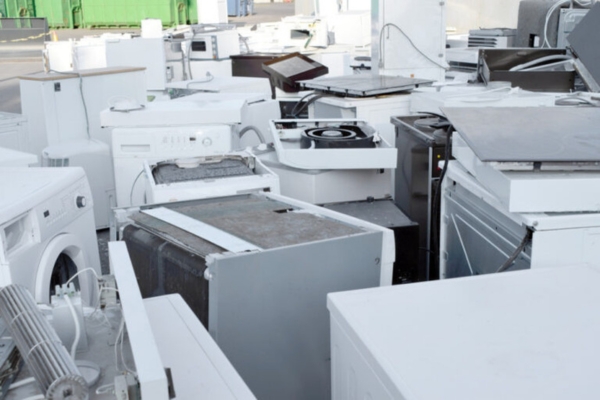
In many areas, it’s illegal to leave a washer on the curb or toss it into a dumpster. Large appliances require special handling due to their size, components, and hazardous materials. Fines and environmental penalties can result from improper disposal.
Summary of 6–7 top removal or recycling solutions
Here are some of the most reliable options for washer machine recycling:
- Licensed appliance recycling centers – Safest and most environmentally responsible
- Scrap yards – Often accept washers for metal recovery
- Municipal drop-off sites – Run by local governments for proper appliance disposal
- Retailer haul-away programs – Offered by stores when you buy a new appliance
- Manufacturer take-back programs – Available through some appliance brands
- Donation centers – If the unit is still working, organizations like Habitat for Humanity may take it
- Online platforms – List it for free pickup on Freecycle or Craigslist if functional
Why standard curbside pickup is NOT allowed
Curbside pickup for large appliances is typically prohibited because washers are too bulky, contain hazardous components, and must be processed properly. Local waste companies may reject them entirely or require a special request for bulk pickup—and even then, they may not guarantee responsible recycling.
Licensed Appliance Recycling Centers
What they are and why they’re best
Licensed appliance recycling centers specialize in safely breaking down washers and other large machines. They follow strict environmental protocols to ensure hazardous materials are properly handled, and valuable parts are recovered for reuse.
Step-by-step: how centers dismantle and recycle
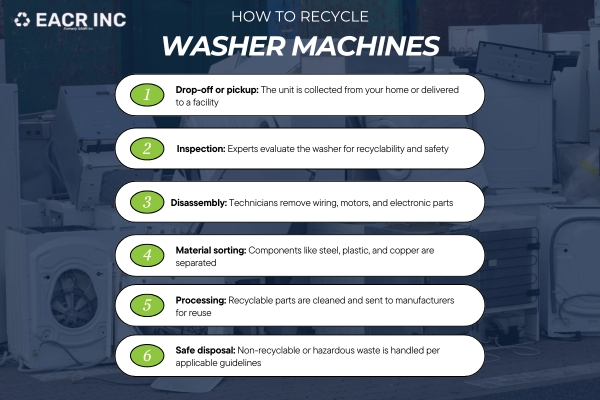
- Drop-off or pickup – The unit is collected from your home or delivered to a facility
- Inspection – Experts evaluate the washer for recyclability and safety
- Disassembly – Technicians remove wiring, motors, and electronic parts
- Material sorting – Components like steel, plastic, and copper are separated
- Processing – Recyclable parts are cleaned and sent to manufacturers for reuse
- Safe disposal – Non-recyclable or hazardous waste is handled per applicable guidelines
How to find one near you
To find a licensed appliance recycler near you:
- Check with your local municipality or waste authority
- Contact EACR Inc. for service throughout Connecticut, Delaware, Maine, Maryland, Massachusetts, New Hampshire, New Jersey, New York, Pennsylvania, Rhode Island, Vermont, Virginia, and Washington, DC.
Scrap Yards and Metal Recovery Yards
Which metals are recovered from washers
Old washers are packed with recoverable metals. Most commonly, scrap yards recover steel from the frame and drum, copper from wiring and motors, and aluminum from internal components. These metals can be reused in manufacturing, reducing the need to mine new resources.
Tips for verifying a responsible scrap yard
Not all scrap yards recycle responsibly. Before dropping off your washer, ask the yard if they follow environmental best practices and comply with local waste regulations. A reputable yard should be able to tell you how they separate materials and what happens to the non-metal parts. If they seem unsure, it’s a red flag.
Use Municipal Waste and Drop-Off Programs
How towns and counties offer appliance recycling
Many municipalities offer special programs for appliance recycling. These services are often run through your local waste management or public works department and are designed to handle large items like washers legally and safely. EACR Inc proudly provides e-waste containers for various municipalities throughout New Jersey.
What documents or fees may apply
Depending on where you live, you may need to provide proof of residency or pay a small fee to drop off your washer. Some towns offer free services to residents, while others charge a nominal disposal or processing fee. Always check local guidelines before heading to a facility.
Scheduled pickup days vs. drop-off services
Some areas offer seasonal curbside bulk pickups—but they often require advance registration. Others run year-round drop-off centers where residents can bring old appliances during set hours. Either option helps ensure your washer gets recycled properly instead of winding up in a landfill.
Retailer Haul-Away Services Explained
Stores like Home Depot, Best Buy, and Costco
Major retailers like Home Depot, Best Buy, and Costco often offer haul-away services when delivering a new washer. This is a hassle-free option if you’re replacing your old machine and want someone else to take care of the disposal.
Haul-away for free or added fee when buying new
Some stores include appliance removal for free as part of their delivery package, while others charge a small additional fee. Be sure to ask about haul-away options when purchasing—you’ll save yourself a second trip to the dump or recycling center.
Where these old machines go afterward
Most retailers don’t just toss your old washer in the trash. They typically partner with licensed electronics recycling companies that dismantle the machines, recover usable materials, and safely dispose of any hazardous components. It’s an easy and eco-friendly solution built into the shopping experience.
Manufacturer Take-Back Programs
Brands like Whirlpool, LG, Samsung may offer recycling
Some of the biggest appliance manufacturers—like Whirlpool, LG, and Samsung—offer recycling or take-back programs for old washers. These programs are designed to help you get rid of your old machine responsibly, often in partnership with licensed recycling facilities.
Usually available during replacement purchases
Take-back programs are most commonly offered when you’re buying a new washer directly from the manufacturer or one of their authorized dealers. In many cases, the company will arrange to collect your old appliance when they deliver the new one.
Why this supports circular product lifecycles
Manufacturer recycling programs support a circular economy—where parts and materials from old machines are recovered and reused to build new ones. It’s good for the environment and helps brands reduce waste while promoting sustainability.
Donate if Still Working
Salvation Army, Habitat for Humanity, local groups
If your washer is still in working condition, donating it is a great way to extend its life. Organizations like the Salvation Army, Habitat for Humanity, and even local charities or shelters often accept gently used appliances.
Appliances must be fully functional and clean
Before donating, make sure the washer is fully operational and reasonably clean. Most donation centers won’t accept machines with electrical issues, leaks, or cosmetic damage.
Donation = reuse + waste reduction
Donating helps someone in need while also keeping your washer out of a landfill. It’s a win-win—you declutter responsibly, and someone else gets a working appliance they may not otherwise afford.
Signs It’s Time to Recycle Your Washer
Leaks or water damage
Small leaks might seem harmless, but they can lead to mold, floor damage, and electrical hazards. If your washer is leaking regularly, it’s probably time to let it go.
Loud banging or mechanical issues
If your washer sounds like it’s about to take off during the spin cycle, it may have a loose drum, worn bearings, or damaged mounts. These problems are often expensive to fix—especially in older models.
Excessive cycle times or power usage
Long wash cycles or unusually high energy bills may be signs that your washer is struggling to operate efficiently. Older machines often draw more power and water than modern, energy-efficient models.
Frequent costly repairs
If your washer is constantly breaking down or needing repairs, it may no longer be worth the investment. As a general rule, if the repair cost is more than half the price of a new unit, recycling and replacing is usually the smarter option.
Repair or Replace? What to Consider
The 50% rule: cost of repair vs. new machine
If fixing your washer costs more than 50% of the price of a new one, replacement is usually the smarter move. Repairs can keep an older machine going for a while—but if it’s nearing the end of its lifespan, you’re better off recycling and upgrading.
Energy efficiency comparison
New washers use far less water and electricity than older models. Even if an old machine still works, it may be wasting energy every time you run a load. Upgrading to an Energy Star model can save money on your utility bills while shrinking your environmental footprint.
Financial and environmental tradeoffs
Yes, buying new costs more upfront—but over time, the energy and water savings can make up the difference. Recycling the old washer also prevents e-waste and supports a more sustainable disposal process.
Common Washer Components That Get Recycled
Motors, drums, wiring, steel casing
The motor, metal drum, and steel frame are stripped down and recycled as scrap metal. Copper wiring is also separated and melted down for reuse in new electronics or appliances.
Rubber and plastic parts
Hoses, gaskets, and plastic panels are sorted out and processed for recycling when possible. Some rubber parts are reused in insulation or industrial materials.
Electronics and circuit boards
Washers contain electronic control panels and circuit boards that require careful handling. These components often contain small amounts of precious metals and can be recycled safely by licensed e-waste facilities.
FAQs About Washer Recycling
Are washing machines considered e-waste?
Yes. Modern washers contain electronic control boards, wiring, and internal components that qualify as electronic waste. Because of these materials, washer machine recycling should be handled through a licensed recycling facility.
Do washing machines contain hazardous materials?
Older washers may contain mercury switches, lead solder, and other regulated materials. These components require proper handling to prevent environmental contamination.
Do I need to drain water before recycling a washer?
Yes. Disconnect the washer from power and water lines, and allow any remaining water to fully drain before transport. This helps prevent leaks and handling issues during recycling.
Can businesses recycle commercial washers in bulk?
Yes. Commercial laundromats, apartment complexes, property managers, and institutions can schedule bulk washer recycling and pickup services through a licensed recycler.
What happens to washers after recycling?
Washers are dismantled and separated into materials such as steel, copper, aluminum, plastic, and electronic components. These materials are processed and sent to downstream partners for reuse in manufacturing.
Is washer recycling required by law?
In many areas, improper disposal of large appliances is prohibited. Local regulations often require that washers be processed through approved recycling channels.
Does EACR Inc. provide washer pickup services?
Yes. EACR Inc. offers washer machine recycling services, including scheduled pickup and drop-off options for residential and commercial customers.
Why is washer recycling better than landfill disposal?
Washer recycling prevents hazardous materials from contaminating soil and water, supports metal recovery, reduces landfill waste, and lowers the environmental impact of manufacturing new materials.
How EACR Inc. Handles Washer Recycling
Licensed recycling process
At EACR Inc., we specialize in washer machine recycling using an approved, environmentally responsible process. Washers are processed at our facility, sorted into recyclable components, and processed in accordance with federal and state regulations.
Benefits of working with EACR Inc. directly
We make recycling easy, safe, and compliant. You get peace of mind knowing your washer is being handled by professionals who are committed to zero-landfill practices and full material recovery.
Easy scheduling for pickups or drop-offs
Whether you need us to e-waste pickup your appliance or prefer to drop it off at our Lakewood, NJ facility, we’ve got options to fit your schedule. We handle the heavy lifting so you don’t have to.
Service area coverage: NJ, NY, PA, etc.
EACR Inc. proudly serves residential and commercial clients across Connecticut, Delaware, Maine, Maryland, Massachusetts, New Jersey, New York, Pennsylvania, Rhode Island, Vermont, Virginia, and Washington, DC. If you’re in our service area, we’re ready to help you recycle responsibly. Contact us today to get started.