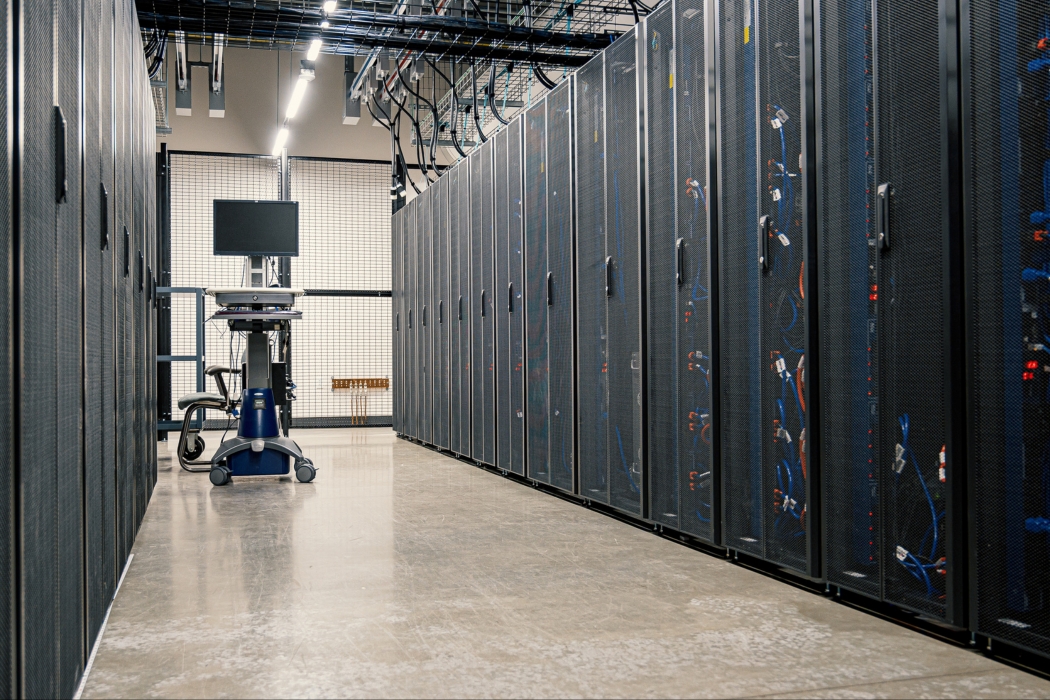
Telecom equipment recycling helps prevent electronic waste and recover reusable materials from outdated communication systems. It’s the process of safely collecting, dismantling, and recycling the vast network of devices that keep businesses, carriers, and communities connected.
Telecom waste covers an extensive range of hardware — from routers, switches, and antennas to PBX phone systems, base stations, fiber cables, and backup batteries. As technology advances and networks transition from 3G to 4G, 5G, and now fiber, older systems quickly become obsolete. These upgrades generate a constant stream of discarded equipment that needs to be handled responsibly.
At EACR Inc., we specialize in licensed telecom equipment recycling. Our services include secure data destruction, and approved material recovery. Every device is processed under a zero-landfill policy, ensuring reusable materials are recovered and components are safely managed.
Why Telecom Equipment Recycling Matters
Environmental Benefits
Telecom equipment contains metals, circuit boards, plastics, and fiber materials — many of which can cause serious harm if dumped in landfills. Components like solder, coatings, and wiring insulation often contain lead, mercury, and flame retardants that contaminate soil and groundwater over time.
Through professional telecom equipment recycling, these materials are safely dismantled and processed. Recyclers extract reusable copper, aluminum, and steel from cables and circuit boards. Every recovered material reduces the need for new mining and manufacturing, cutting down energy use and environmental impact.
What’s Considered Telecom Equipment?
Telecom infrastructure is vast and diverse, covering everything from small desk phones to massive cell towers. Below are the key categories of equipment accepted for recycling by EACR Inc.
Network Infrastructure
- Routers, switches, hubs, and patch panels
- Network servers, modems, and firewalls
- Data racks, cooling systems, and UPS backup units
Wiring and Transmission Hardware
- Copper cabling (Cat5, Cat6, coaxial)
- Fiber-optic cables and transceivers
- Signal amplifiers, connectors, and splitters
Communication and Call Systems
- PBX and VoIP phone systems
- Analog and digital desk phones
- Intercoms, conferencing systems, and headsets
Cellular and Wireless Equipment
- Antennas and cellular base stations
- Repeaters, signal boosters, and 5G nodes
- Microwave transmitters and receivers
Power and Support Equipment
- Power supplies, transformers, and voltage converters
- Backup batteries (lead acid, lithium-ion, NiMH)
- Racks, mounts, cooling fans, and enclosures
Specialized Telecom Components
- Satellite dishes and control systems
- Radio transmitters and receivers
- Paging systems and emergency communication hardware
The Telecom Equipment Recycling Process
1. Collection and Inventory
Telecom equipment recycling starts with organized collection. EACR Inc. collects telecom hardware from offices, data centers, warehouses, and field installations across the East Coast. Our team offers palletized pickups, container programs, and on-site collection solutions tailored to each client’s needs.
2. Data Security & Sanitization
Data protection is a top priority in telecom equipment recycling. Many devices—such as servers, PBX systems, and VoIP phones—store sensitive data including call logs, contact records, and system configurations.
EACR Inc. performs secure data destruction as part of every telecom recycling project. This includes:
- Secure drive wiping that meets DoD standards
- Physical hard drive destruction
- Certificates of Recycling for documentation
Businesses can trust that all private and operational data is fully eliminated before recycling begins, protecting both their brand and their customers
3. Disassembly and Sorting
Once collected and sanitized, telecom equipment is manually disassembled and sorted. Trained technicians separate metals, plastics, cabling, and circuit boards into dedicated recycling streams.
This detailed sorting process ensures that each component is handled properly—metals are prepared for refining, plastics for repurposing, and hazardous parts for safe disposal. Every step is designed to maximize recovery and reduce waste.
4. Material Recovery
After sorting, reusable materials are processed for recovery. Copper, aluminum, steel, and plastic are extracted and refined for reuse in new manufacturing.
- Cables are granulated to separate and recover pure copper and insulation materials.
- Aluminum and steel housings are melted down and reintroduced into industrial supply chains.
Recycling these materials significantly reduces the energy required to produce new components and keeps valuable resources in circulation.
5. Responsible Disposal
Some parts of telecom equipment can’t be recycled—but they can still be handled responsibly. EACR Inc. ensures that any non-recyclable components, hazardous residues, or batteries are disposed of according to all applicable regulations.
Benefits of Recycling Telecom Equipment
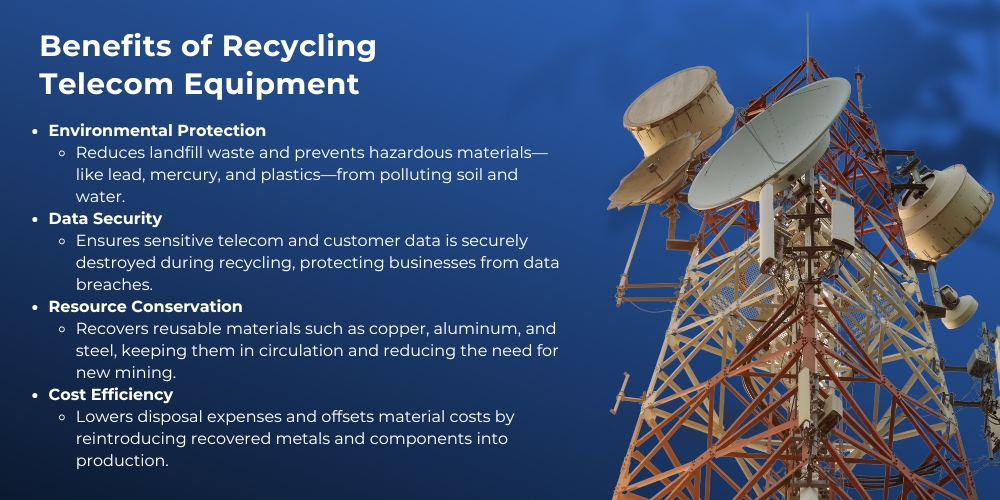
- Environmental Protection: Keeps telecom waste out of landfills and prevents toxic substances from polluting the environment.
- Data Security: Ensures complete destruction of sensitive business and customer data.
- Cost Savings: Recovered materials offset disposal costs and reduce the need for new raw materials.
- Space Optimization: Frees up valuable office, warehouse, and rack space during system upgrades or network refreshes.
Where to Recycle Telecom Equipment
Licensed Recycling Facilities
Businesses and municipalities can drop off telecom hardware at EACR Inc. in Lakewood, NJ. Our facility accepts routers, switches, cables, antennas, servers, and more—serving clients across the East Coast with full state-compliant processing.
Corporate Pickup Programs
EACR Inc. offers bulk pickup, and recycling documentation for telecom contractors, IT departments, and wireless carriers. Whether you’re replacing data racks or decommissioning a tower site, our team provides on-site logistics and approved reporting.
Community E-Waste Drives
We also partner with municipalities and organizations to host community e-waste collection events, making it easy for residents to recycle smaller telecom devices like modems, routers, and VoIP phones safely and locally.
FAQs About Telecom Equipment Recycling
Can I recycle old routers, switches, and servers?
Yes. All network hardware is recyclable through licensed facilities like EACR Inc.
Does telecom recycling include fiber-optic cables?
Absolutely. Fiber, coaxial, and copper cabling are processed for material recovery.
What about equipment containing data?
EACR Inc. performs secure data destruction on all storage-enabled telecom devices.
Can EACR Inc. handle large corporate telecom cleanouts?
Yes. We offer bulk pickup, and complete documentation for enterprise clients.
Conclusion
Telecom equipment recycling keeps reusable materials in circulation, safeguards sensitive data, and helps organizations meet environmental standards. As technology evolves and networks upgrade, recycling outdated routers, cables, and communication systems is one of the easiest ways to protect both your business and the planet.
Contact EACR Inc. today to schedule a telecom recycling pickup or drop-off — and take the next step toward a cleaner, more connected future.