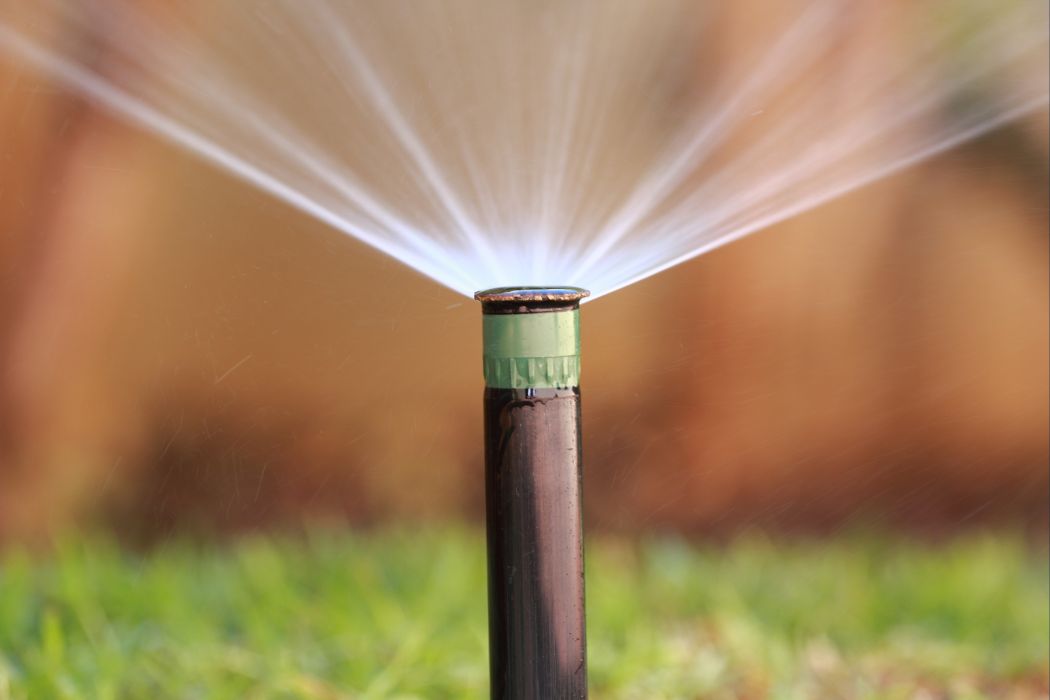
Sprinkler recycling plays a key role in reducing waste and conserving reusable materials found in irrigation and fire suppression systems. Can you recycle sprinklers? Absolutely — both residential and commercial sprinklers contain metals such as brass, copper, steel, and aluminum, along with plastic and electronic components that can all be responsibly recycled.
There are two main types of sprinklers to consider: irrigation systems, which water lawns, gardens, and landscapes, and fire suppression systems, designed to protect buildings and facilities.
Both types often contain recyclable parts like metal heads, valves, wiring, and control units that should never be tossed into regular trash.
Recycling sprinklers helps prevent metal corrosion and plastic buildup in landfills while conserving resources that can be reused in manufacturing. At EACR Inc., we make the process simple — accepting sprinkler heads, valves, wiring, and controllers as part of our licensed electronics and metal recycling programs.
Why Sprinkler Recycling Matters
Environmental Impact
Sprinklers are often made of brass, copper, steel, and durable plastic, and newer smart systems even include electronic components such as wiring and sensors. If these materials are discarded improperly, they can corrode, release contaminants, or add to plastic waste in landfills.
By recycling sprinkler parts, these metals are safely recovered and reused — reducing the need for new mining and manufacturing. Proper sprinkler recycling also keeps oils, coatings, and electronic elements out of soil and water, protecting both the environment and public health.
Economic and Resource Benefits
Recycling metal sprinkler components supports both sustainability and efficiency. The metals recovered through the process can be reintroduced into production, helping reduce the energy and cost required to produce new materials.
For homeowners, landscapers, and contractors, this means lower disposal costs and an easy way to contribute to a circular economy, where materials are reused instead of wasted.
What Types of Sprinklers Can Be Recycled?
Irrigation Sprinklers
These are the most common — found in homes, commercial landscapes, farms, and athletic fields. They typically include brass or aluminum heads, plastic housings, and copper wiring. Many modern irrigation systems also include smart controllers with sensors and digital components that qualify as electronic waste.
Fire Sprinkler Systems
Fire suppression sprinklers are built to last, using brass, copper, steel, and aluminum for durability. Systems often include control valves, pipes, sensors, and alarm wiring — all recyclable through proper dismantling. Electrical and data components (like control panels or sensors) can be processed through electronics recycling streams.
Sprinkler Accessories
In addition to sprinkler heads, there are many recyclable accessories:
- Controllers, timers, and sensors used for irrigation management
- Valves, fittings, and pipes made from recyclable metal or PVC
- Wiring and junction boxes from both irrigation and fire safety systems
Each of these items can be collected and recycled responsibly through EACR Inc., keeping reusable materials in circulation and reducing landfill waste.
The Sprinkler Recycling Process
1. Collection and Sorting
Sprinkler recycling begins with organized collection and careful sorting. EACR Inc. collects sprinklers from contractors, homeowners, and commercial facilities across the region. Each item is sorted by type — metal, plastic, or electronic — to ensure every component enters the right recycling stream.
2. Disassembly
Once collected, sprinkler heads, valves, and accessories are disassembled into their base materials. Metals like brass and copper are separated for recovery, while plastics and electronic parts such as sensors or controllers are set aside for proper recycling. This step maximizes resource recovery and minimizes waste.
3. Material Recovery
Recovered materials are processed and refined for reuse. Metals such as brass, copper, and steel are melted down and reintroduced into manufacturing, while plastics and wiring are recycled when possible. Every step is designed to keep reusable materials in circulation and reduce the need for new production.
4. Responsible Disposal
Any non-recyclable materials, coatings, or residue are handled responsibly according to environmental regulations. EACR Inc. follows a strict zero-landfill approach, ensuring no sprinkler components end up polluting the environment.
How to Prepare Sprinklers for Recycling
- Remove hoses, pipes, or fittings if possible.
- Drain all water and clean off dirt, mud, or debris.
- Bundle smaller parts or heads in labeled containers for easier handling.
- For commercial or large-scale systems, contact EACR Inc. to schedule a bulk pickup.
Preparing your sprinklers this way helps streamline the recycling process and ensures that materials are processed efficiently and safely.
Benefits of Recycling Sprinklers
- Conserves reusable metals such as brass, copper, and steel.
- Prevents contamination from plastics, coatings, or chemicals entering the soil and water.
- Reduces disposal costs for homeowners, landscapers, and contractors.
- Supports sustainability, promoting responsible landscaping and building practices.
Sprinkler recycling benefits both the environment and the economy — turning discarded equipment into reusable materials that can be part of new products.
Where to Recycle Sprinklers
Licensed Recycling Facilities
Drop off your old sprinklers, valves, and control units at a licensed recycler like EACR Inc.. The facility accepts both metal and electronic components for safe processing.
Corporate Recycling Programs
For irrigation companies, contractors, and construction firms, EACR Inc. provides bulk pickup services and documentation to verify proper recycling and compliance.
Community E-Waste Events
Check local recycling drives or county e-waste collection days. EACR Inc. often partners with municipalities to accept sprinklers, timers, and other small electronics for proper disposal.
FAQs About Sprinkler Recycling
Q1: Can I throw old sprinklers in the trash?
No. Sprinklers contain metals and plastics that can and should be recycled through a licensed recycler rather than thrown away.
Q2: Are sprinkler controllers and timers recyclable?
Yes. Smart irrigation controllers, timers, and sensors contain circuit boards and wiring that qualify as e-waste and can be processed accordingly.
Q3: What happens to the metal from sprinklers?
Metals like brass, copper, and steel are recovered, melted down, and reused in new manufacturing, reducing the need for new raw materials.
Q4: Does EACR Inc. pick up sprinklers in bulk?
Yes. EACR Inc. offers bulk pickup for landscapers, contractors, and property managers who need to recycle large quantities efficiently.
Conclusion
Sprinkler recycling is an easy and effective way to keep reusable metals and plastics out of landfills while supporting environmental sustainability. Whether you’re replacing an irrigation system or upgrading a fire safety network, recycling ensures your old sprinklers are handled the right way. Contact EACR Inc. today to schedule a pickup or drop-off and recycle your sprinklers responsibly — protecting both your property and the planet.