The quick answer: most solar panels last 25–30 years, and many continue producing electricity well beyond that point. They don’t simply stop working once they reach their expected lifespan — instead, they gradually produce less power over time.
The lifespan of a solar panel depends on multiple factors like quality, installation, and maintenance. Knowing what impacts longevity helps you make informed choices and get the most out of your system.
Here’s why understanding solar panel lifespan matters: it helps you maximize savings from your energy investment and prepare for responsible recycling options once your panels eventually reach the end of their useful life.
What Is the Lifespan of a Solar Panel?
Useful Life vs. Actual Life
When experts talk about solar panel lifespan, they usually refer to its “useful life.” This is the point when panels still generate electricity but not at the level that makes financial sense compared to replacing them with newer, more efficient technology.
Industry Standard
Most solar panels are designed to last 25–30 years. During this time, they continue to produce electricity at high levels, often supported by manufacturer warranties.
Panels Don’t Suddenly Stop Working
It’s rare for solar panels to completely stop producing energy. Instead, they experience a gradual decline in performance. Even after 30 years, panels may still function — just at a lower efficiency.
Warranties as a Benchmark
Many manufacturers offer warranties that guarantee performance for at least 25 years. This aligns closely with the industry standard and gives homeowners peace of mind that their investment will last for decades.
How Do Solar Panels Degrade Over Time?
What Is the Degradation Rate?
The degradation rate is the pace at which solar panels lose efficiency each year. Instead of an abrupt failure, panels slowly produce less electricity as they age.
Average Rates Across the Industry
On average, solar panels lose about 0.5% of efficiency per year. That means by the end of 25 years, most panels are still operating at 87–90% of their original capacity.
Premium Panels Perform Even Better
Newer, high-quality solar panels from leading manufacturers often have degradation rates as low as 0.25% annually. With these panels, efficiency can remain above 92% after 25 years — a big advantage for long-term savings.
Environmental Influences
Not all solar panels degrade at the same pace. Factors like climate, extreme heat, heavy winds, or high humidity can increase wear and tear. Panels in cooler climates often maintain performance longer than those in hot, high-sun regions.
Factors That Impact Solar Panel Lifespan
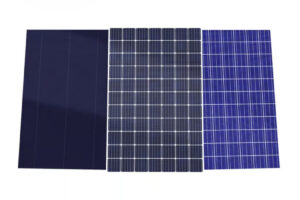
Quality and Tier Classification
Not all solar panels are created equal. Manufacturers group panels into Tier 1, Tier 2, and Tier 3 categories.
- Tier 1 panels are made by companies with proven track records, strong financial stability, and high production standards. These panels usually come with the longest warranties and degrade more slowly.
- Tier 2 and Tier 3 panels are less expensive upfront but often degrade faster, meaning you may not get as much long-term value.
This difference adds up. Tier 1 panels typically lose only about 0.30% efficiency per year, compared to 0.50% for Tier 2 and up to 0.80% for Tier 3.
Installation Quality
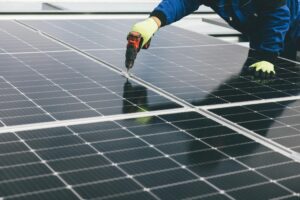
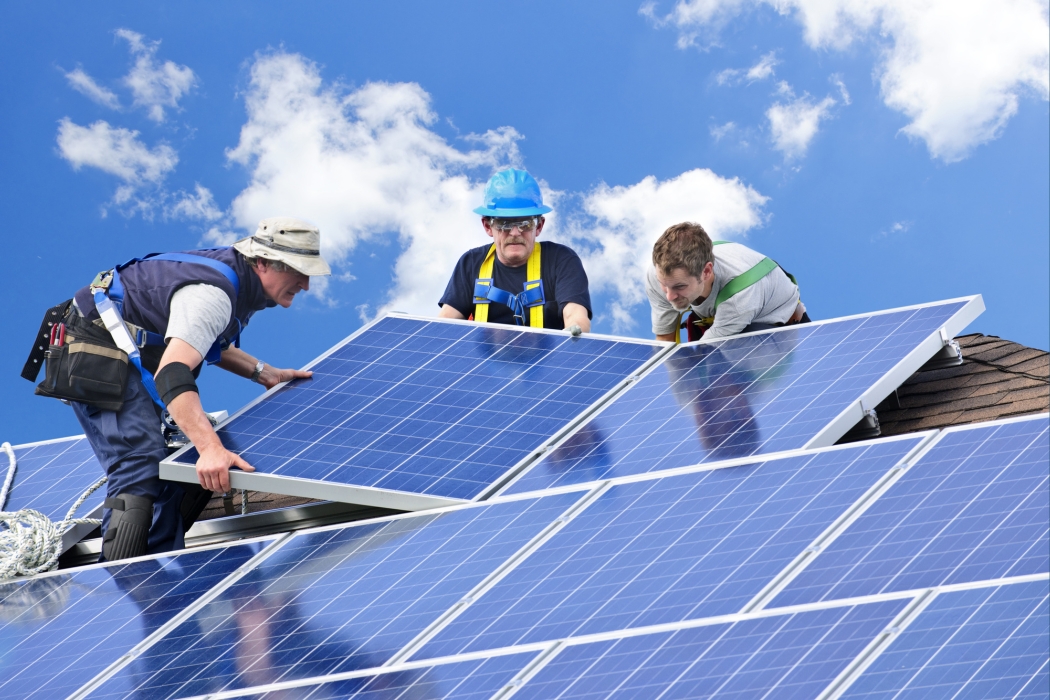
Even the best solar panels won’t perform well if they’re poorly installed. A professional installer ensures the racking is secure, wiring is correct, and the system is positioned to maximize sunlight.
- Strong installation = longer-lasting performance.
- Poor installation = faster degradation and a higher chance of problems down the road.
Climate and Environment
Where you live plays a big role in how long panels last.
- Heat can cause faster material breakdown.
- Hail, snow, and high winds can damage panels or shorten their lifespan.
- Humidity may accelerate corrosion if panels aren’t sealed properly.
Panels in cooler, mild climates generally degrade more slowly, while those in harsher environments require more upkeep.
Maintenance and Upkeep
Solar panels are often called “low-maintenance,” but that doesn’t mean no maintenance.
- Keep panels clear of debris, leaves, and dust so they can absorb maximum sunlight.
- Trim back trees to prevent shading.
- Use critter guards to stop squirrels or birds from nesting around the wiring.
These small steps help your panels maintain higher efficiency for longer.
How Long Do Other Solar Components Last?
Inverters
Solar inverters — the devices that convert panel energy into usable electricity — usually last 10–15 years. They work constantly, which is why they have a shorter lifespan than panels.
Racking Systems
The racks that hold panels in place often have separate warranties from the panels themselves. Their lifespan depends largely on weather durability and the quality of installation.
Wiring and Junction Boxes
These parts don’t get as much attention, but they’re critical. Their lifespan depends on system care, exposure to elements, and regular maintenance. A good installer ensures these components are protected and last as long as possible.
The Connection Between Lifespan and Recycling
As solar panels reach the end of their useful life, recycling becomes essential. Throwing panels into landfills wastes materials and harms the environment.
The good news is that panels contain glass, silicon, aluminum, and metals that can be recovered and reused. Responsible recycling not only prevents waste but also feeds materials back into new solar technology.
When planning for the lifespan of your solar panels, include a plan for solar panel recycling.
How to Make Your Solar Panels Last Longer
Routine Cleaning
A clean panel is an efficient panel. Dust, leaves, and bird droppings block sunlight and reduce energy output. Regularly rinsing panels or scheduling professional cleanings ensures they keep performing at their best.
Regular Maintenance
Even though solar panels are low-maintenance, they still benefit from professional inspections. An annual checkup can spot small issues before they become big problems — like loose wiring or cracks from weather exposure.
Proper Installation Choices
The way your panels are installed affects how long they last. Choosing the right roof angle, avoiding shading from trees or structures, and securing panels with strong racking systems all play a role in extending their lifespan.
Warranties and Guarantees That Protect Your Investment
Not all warranties are the same, and knowing the difference matters.
- Product or equipment warranties protect against defects or failures.
- Performance warranties guarantee panels will still produce a certain percentage of their original power after 20–25 years.
Most manufacturers promise 80–90% of original output after 25 years. Panels backed by long warranties are often higher quality, since companies are willing to stand by their durability.
When Should You Replace Solar Panels?
Solar panels don’t just stop working after 25–30 years, but there comes a point when they’re no longer practical. Common signs include:
- Efficiency dropping too low to cover your energy needs.
- System failures in panels, inverters, or wiring.
- Warranties expiring, leaving you without coverage.
At this stage, panels may still produce electricity, but recycling your old solar panals and replacing them with newer, more efficient models is usually the smarter financial move.
Recycling at the End of a Solar Panel’s Life
When your solar panels reach the end of their useful life, recycling is the responsible next step.
Panels contain materials like glass, silicon, and aluminum that can be recovered and reused instead of sent to landfills. Recycling protects the environment and supports a circular economy for clean energy.
When the lifespan of a solar panel comes to an end, EACR Inc. ensures your solar panel recycling is safe, sustainable, and zero-landfill.
Conclusion
Most solar panels last 25–30 years, with gradual degradation over time. Factors like quality, installation, climate, and care can make that lifespan longer — or shorter.
By understanding what affects solar panel performance, you can maximize your financial savings and prepare for the end-of-life stage with a recycling plan in place.
Investing in solar panels means decades of clean energy. And when they’ve done their job, responsible recycling ensures sustainability continues well beyond their useful life.