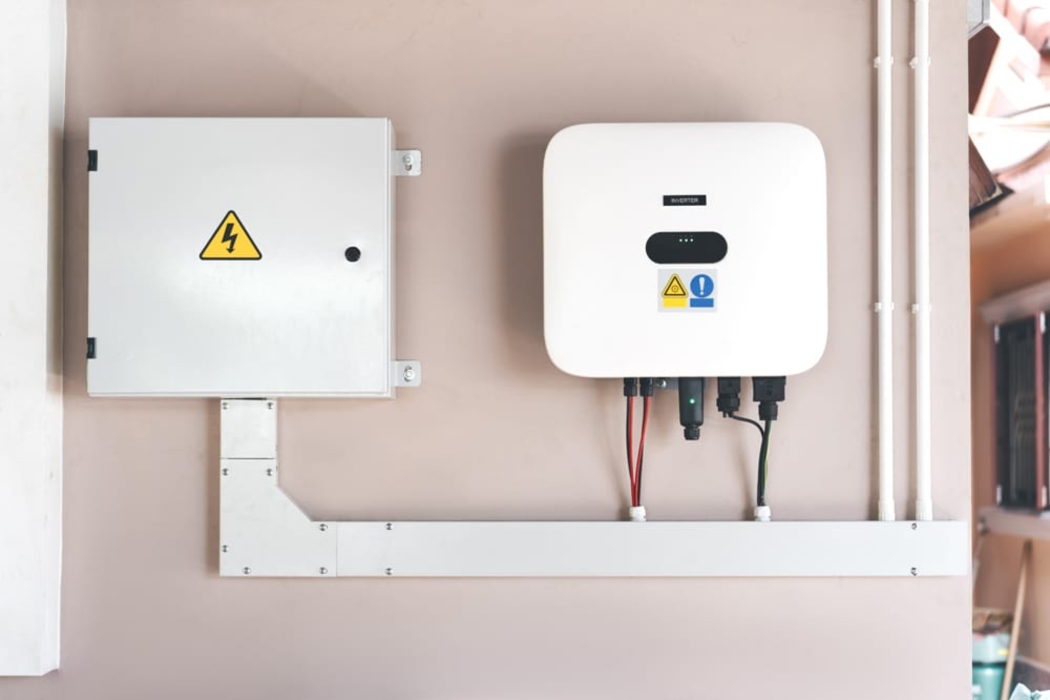
Solar energy systems rely on two essential components: solar panels and solar inverters. Panels generate electricity, while inverters convert it into a form that can power homes and businesses. Both play equally important roles — and both eventually reach the end of their lifespan.
While solar panel recycling has gained widespread attention, solar inverter recycling is often overlooked. Inverters contain recyclable metals and electronics that shouldn’t end up in landfills. Recycling them properly ensures that materials like aluminum, copper, and silicon are recovered and reused.
By recycling both panels and inverters, we keep renewable energy truly sustainable — from production to end-of-life.
Understanding the Role of the Solar Inverter
A solar inverter serves as the bridge between the sunlight collected by panels and the usable electricity that powers homes, offices, and industries. It converts direct current (DC) from solar panels into alternating current (AC) — the type of electricity used by most devices and grids.
In addition to conversion, inverters manage performance, monitor output, and synchronize energy flow with the utility grid. Without them, even the most efficient solar panels can’t deliver power effectively.
Most inverters last 10 to 15 years, which is shorter than the 25–30-year lifespan of solar panels. This means solar inverters are replaced more frequently, creating a steady stream of recyclable electronic waste. Proper recycling keeps these materials in circulation and prevents unnecessary disposal.
What’s Inside a Solar Inverter
Key Components
Solar inverters may look simple from the outside, but inside they house a range of recyclable materials used for both function and durability.
- Power Semiconductors: Contain silicon, copper, and aluminum, which regulate the conversion of DC to AC power.
- Transformers: Built with steel and copper windings to manage voltage levels and energy flow.
- Circuit Boards: Contain copper, solder, and fiberglass that can be recovered through electronic recycling processes.
- Casings: Typically made of steel or aluminum, both of which can be melted down and reused in new manufacturing.
- Cooling Systems: Include fans and heat sinks that are often made of recyclable metals like aluminum.
Each component holds recyclable potential, and when dismantled properly, nearly every part of a solar inverter can be recovered and reintroduced into production — ensuring that clean energy stays clean throughout its lifecycle.
Why Inverter Recycling Matters
Prevents Electronic Waste
When discarded improperly, solar inverters are classified as electronic waste (e-waste). Like other electronic devices, they contain metals and plastics that shouldn’t end up in landfills.By recycling inverters, these materials are recovered and reused, keeping harmful substances out of the environment and maintaining a cleaner waste stream.
Conserves Natural Resources
Solar inverters are built with aluminum, copper, and steel — all recyclable metals that can be reused instead of mined again. Recovering and reintroducing these materials into manufacturing reduces the demand for new raw resources and supports continuous reuse within the renewable energy supply chain.
Reduces the Environmental Footprint
Proper recycling of solar inverters helps minimize the environmental impact of solar technology. Recycling prevents the emissions associated with new material extraction and manufacturing while aligning perfectly with the clean-energy goals that solar power represents.
How Solar Inverters Are Recycled
Collection & Sorting
The process starts with collecting inverters from decommissioned solar systems and sorting them by type and size. They’re separated from panels, mounts, and other hardware to streamline the recycling process.
Manual Dismantling
Technicians carefully dismantle each inverter, removing casings, circuit boards, and wiring by hand. This step allows for accurate material separation and prevents contamination between metals and plastics.
Material Recovery
Once dismantled, components are shredded and processed using specialized equipment that isolates metals, plastics, and circuit materials. Magnetic and air-separation systems help extract recyclable metals efficiently.
Reuse
Recovered materials such as copper, aluminum, and steel are cleaned, refined, and reintroduced into manufacturing — helping close the loop on clean energy production.
| Category | Solar Panels | Solar Inverters |
|---|---|---|
| Main Materials | Glass, silicon, aluminum | Aluminum, copper, steel, silicon |
| Lifespan | 25–30 years | 10–15 years |
| Recyclable? | Yes | Yes |
| Common Issue | Broken cells, delamination | Circuit failure, aging electronics |
| Recycling Goal | Recover glass & silicon | Recover metals & circuit components |
Both solar panels and inverters are essential for maintaining a circular renewable energy system. Panels may last longer, but inverters are replaced more frequently — creating a consistent opportunity for material recovery and responsible recycling.
The Bigger Sustainability Picture
Solar inverter recycling plays a major role in advancing long-term energy efficiency and resource management. By recycling both inverters and panels, the solar industry reinforces its commitment to reducing waste, conserving materials, and promoting a cleaner energy future.
Recycling doesn’t just support sustainability — it strengthens the clean-energy industry’s reputation for environmental responsibility.
How EACR Inc. Supports Solar Recycling
EACR Inc. provides nationwide solar panel recycling as well as solar inverter recycling services, ensuring every component is processed with precision and environmental care. From collection to material recovery, each step of the process is designed to reduce waste and promote reuse.
Learn more about how we handle solar components responsibly through our Solar Panel Recycling Program.
Final Thoughts
The future of solar energy depends on more than power generation — it depends on what happens when systems reach the end of their life. Recycling both solar panels and inverters ensures that clean energy remains sustainable from start to finish.
Installers, manufacturers, and property owners can take the next step toward a greener future by partnering with a licensed electronics recycler like EACR Inc., helping keep renewable energy clean and responsible for generations to come.