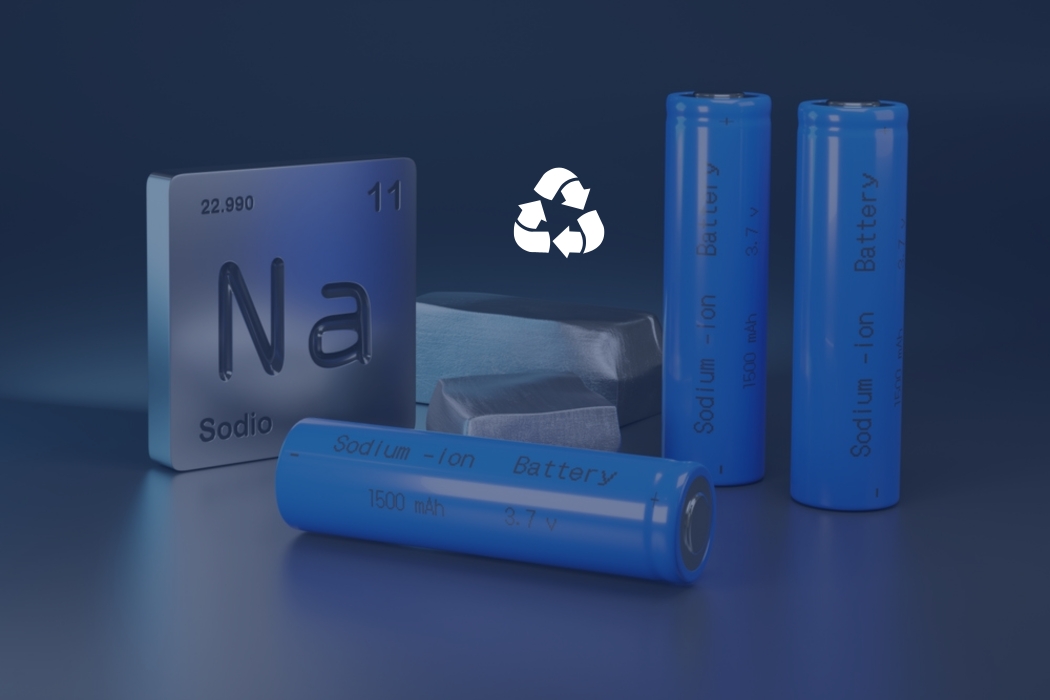
Sodium battery recycling starts with one simple reality: these batteries are not something to toss in general waste, and the right recycling path depends on the battery type, condition, and project size. As sodium-ion and other sodium-based batteries get more attention, businesses need a clearer end-of-life path, especially because handling and logistics matter more than most people expect.
In most cases, the practical routes are straightforward. That usually means scheduled pickup, drop-off for very limited quantities where appropriate, or a more structured business collection plan for larger or specialty loads. The goal is not to overcomplicate it. It is to route the batteries correctly from the start. If your business has sodium batteries ready for removal, EACR Inc. can help coordinate battery recycling with pickup support and documentation.
Quick Answer: How to Recycle a Sodium Battery
Most people usually fall into one of three routes. The first is a manufacturer or specialized take-back option when one is actually available. The second is drop-off for very small, manageable quantities. The third is scheduled pickup for business quantities, specialty loads, or site-based projects.
For most sodium battery projects, pickup is usually the cleaner operational move. It gives the project more control from the start, especially when the batteries are larger, mixed in condition, or tied to a business site. The battery type and condition are what really determine which route makes sense.
What Counts as a “Sodium Battery” (So You Route It Correctly)
Common sodium battery types
Sodium battery projects can involve several different chemistries and formats. Common examples include sodium-ion batteries, sodium-sulfur batteries, sodium-nickel chloride batteries, and other sodium-based specialty storage batteries depending on the application.
That is why it helps to identify the battery before doing anything else. The chemistry matters more than the label people casually use on site.
Why type matters
The battery type affects packaging, transport requirements, and the recycling channel itself. One route will not fit every sodium battery project, especially when specialty chemistries or larger systems are involved.
That is the main reason routing matters so much up front. If the battery type is wrong, the rest of the process can get harder fast.
Option 1: Manufacturer or Specialized Program (When Available)
When this option fits
This option fits best when the battery type is part of a specific manufacturer program or other specialized return path. It can work well for program-eligible units where the route is already established.
That said, this is not the default answer for every sodium battery project. It is more of a fit when the battery and program clearly match.
High-level steps
The basic process is usually simple. Confirm that the battery is eligible, follow the program packaging instructions, and move the material through the approved return route.
If the battery is accepted under that program, this can be a clean solution. The key is confirming that before assuming it applies.
Common gotchas
Not every sodium battery qualifies for a manufacturer or specialized program. Larger site systems usually need a different logistics plan, and damaged or mixed-condition units often require more controlled handling.
That is where people get tripped up. A return-style option that works for one unit or one product line may not work at all for a broader site project.
Option 2: Drop-Off Locations (Best for Very Small Quantities)
When drop-off makes sense
Drop-off makes sense when the quantity is very limited, the transport is straightforward, and the batteries are intact. It is the simplest option only when the load is small enough and the chemistry is actually accepted through that route.
For a business with a very small number of manageable units, this can work. But it is not the normal answer for larger or more complex sodium battery loads.
Where people may look first
People usually start by checking battery collection networks, specialized electronics or battery recyclers, or local programs that clearly state they accept the chemistry involved. That last part matters because not every drop-off site takes every battery type.
A local recycling option is only useful if it is the right fit for the actual battery. Assumptions are where mistakes happen.
Why this is not the usual route
Most sodium battery projects are not casual household-style drop-offs. Specialty chemistry, project size, and handling requirements often make pickup the better fit.
That is especially true once the load moves beyond a very small, simple quantity. For businesses, drop-off is usually the exception rather than the rule.
Option 3: Scheduled Pickup (Most Common for Businesses)
Best-fit scenarios
Scheduled pickup is usually the best fit for manufacturing sites, energy storage projects, utilities, data centers, telecom sites, multi-site operators, and decommission or replacement projects. These are the kinds of environments where sodium battery loads are more likely to need planned handling.
Once the project involves site coordination, equipment removal, or more than just a few small units, pickup usually becomes the cleaner operational path.
Why pickup reduces headaches
Pickup reduces headaches because it gives the project controlled handling from the start.
For businesses, that is usually what matters most. The goal is not just to get the batteries off site. It is to do it in a way that fits the job, reduces confusion, and keeps the process organized.
How to Prepare Sodium Batteries for Recycling
Sodium battery recycling goes smoother when you treat it like a small project instead of a last-minute cleanup. A little prep upfront makes pickup, handling, and documentation much easier.
Step 1: Inventory what you have
Start by counting the units and noting the battery type and format. It also helps to note the site location and flag any damaged units early.
That first pass matters more than people think. It gives you a cleaner picture of what is actually on site before packaging or pickup is even discussed.
Step 2: Stage safely
Keep batteries stable and reduce shifting during staging. Prevent accidental contact and keep the batteries away from traffic, metal clutter, and areas where they could get bumped or damaged.
The goal here is simple: do not create a preventable issue before the batteries even leave the site. Clean staging makes everything easier downstream.
Step 3: Package and label
Use packaging that fits the battery type and condition. If needed, label the load by site, quantity, format, and condition so there is less confusion during removal.
Damaged units should be marked clearly from the start. That helps make sure they are handled with the right level of care instead of getting mixed into a normal load.
Safety Basics (Non-Negotiables)
Why sodium batteries are not normal scrap
Sodium batteries are not normal scrap because they involve specialty chemistry, stored energy, and components that may be reactive or more sensitive depending on the type. Handling mistakes can create problems quickly.
That is why these projects should be treated more carefully than ordinary metal or general electronics disposal. Chemistry changes the expectations.
The safest default rules
Do not mix damaged and intact units casually. Do not wait until the last day to figure out routing. Do not assume every battery program accepts sodium chemistries. Do not leave batteries loose, unstable, or unlabeled.
Those basics sound simple, but they are what keep a battery project from becoming messy, delayed, or unsafe. Good habits early make the rest of the process much more manageable.
Rules and Compliance (Practical, Not Legalese)
Sodium battery projects may involve stricter handling and transport expectations than people expect. The practical focus should stay on correct packaging, correct routing, clean documentation, and controlled end-of-life handling.
This is not about turning the project into a legal seminar. It is about making sure the load moves through the right path and that the paperwork matches what was actually removed.
Records to keep
At a minimum, it helps to keep a pickup or service record, quantity by site, battery type and condition notes, and certificates of recycling. If the client needs anything more specific, that project-level documentation should be built in from the start.
Clean records matter because they support internal tracking, project closeout, and future questions about where the batteries went and how they were handled.
What Happens After Collection
After collection, sodium batteries are consolidated and routed based on chemistry and condition. The downstream process is not one-size-fits-all, because different sodium battery types may need different recovery paths.
From there, appropriate materials move into the proper recovery pathway. The exact downstream process depends on the chemistry, but the main point stays the same: controlled routing matters after pickup just as much as it does before.
Industries That Commonly Need Sodium Battery Recycling
Renewable energy and grid storage
Renewable energy and grid storage projects are one of the clearest use cases for sodium battery recycling. As these systems grow, so does the need for a practical end-of-life path.
Transportation and advanced battery projects
Transportation and advanced battery projects may also generate sodium battery loads during testing, upgrades, or replacement cycles. These are often the kinds of projects where correct routing matters early.
Industrial and manufacturing settings
Industrial and manufacturing operations may encounter sodium batteries through production, equipment use, or related energy systems. Recycling support helps keep those projects more organized.
Utilities and infrastructure
Utilities and infrastructure projects can involve specialty batteries in larger or more controlled environments. That often makes pickup and documentation especially important.
Data centers and telecom-related backup environments
Data centers and telecom-related backup environments may also need sodium battery recycling depending on the systems in use. These projects tend to benefit from more structured handling and cleaner records.
FAQs About Sodium Battery Recycling
Can sodium batteries be recycled?
Yes. Sodium batteries can be recycled, but the route depends on the battery type, condition, and project setup.
What is a sodium-ion battery?
A sodium-ion battery is a type of rechargeable battery that uses sodium-based chemistry instead of lithium-based chemistry.
Are sodium batteries hazardous?
Some sodium battery types may involve handling and transport concerns that require more controlled management. That is one reason proper routing matters.
Can sodium batteries go in the trash?
No. Sodium batteries should not go in general waste.
Is pickup available for sodium battery recycling?
Yes. For many business projects, pickup is the most practical route.
Do sodium battery projects need special packaging?
Often, yes. Packaging should match the battery type and condition.
What should businesses keep for documentation?
Businesses should keep pickup or service records, site quantities, battery type and condition notes, and certificates of recycling.
How do I handle a damaged sodium battery?
Flag it early, keep it separate from intact units, and make sure the project is routed with controlled handling in mind.
Are sodium battery projects usually drop-off or pickup?
For most business projects, pickup is usually the better operational fit. Drop-off tends to be limited to very small and straightforward quantities.
What happens after sodium batteries are collected?
They are consolidated, routed based on chemistry and condition, and moved into the appropriate downstream recovery path.
Conclusion
The simplest way to manage sodium battery recycling is to identify what you have, route it correctly, keep the batteries stable and separated by condition, use pickup when the project is larger or more complex, and keep clean documentation.
If you are managing sodium battery volume, site-based work, or a tighter project timeline, EACR Inc. can help coordinate sodium battery recycling services with pickup routing, staging guidance, and documentation that stays organized.