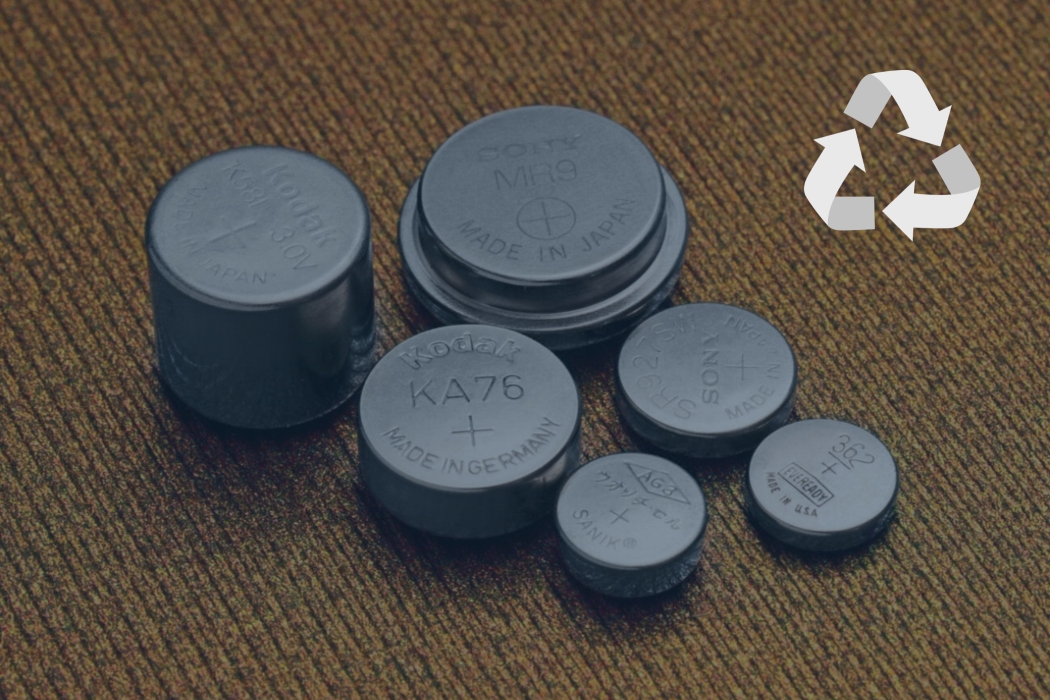
Silver oxide battery recycling starts with one simple reality: these small batteries are easy to overlook, but they contain recoverable materials and should not be thrown in the trash.
You’ll find them in watches, medical devices, calculators, and other small electronics. They may look harmless, but they’re still regulated battery waste. Small size doesn’t mean low impact—proper handling still matters.
If you’re managing battery disposal at scale, working with a battery recycling company helps ensure safe handling and compliant removal.
Quick Answer: How to Recycle Silver Oxide Batteries
Most situations follow one of three simple paths. For small quantities, a battery drop-off location is usually the easiest option. If a take-back or return program is available, that can also work. For larger volumes or business use, scheduled pickup is typically the cleanest and most efficient route.
If you’ve got a few batteries, drop-off is fine. If you’re dealing with volume or multiple locations, pickup simplifies everything.
What is a Silver Oxide Battery?
Simple Definition
A silver oxide battery is a small, button-cell battery commonly used in compact electronic devices.
Where They’re Used
- Watches
- Medical instruments
- Hearing devices
- Calculators
- Precision electronics
Why They Matter
- Contain silver and other reusable materials
- Designed for stable, long-lasting power
- Require proper handling at end-of-life
Why Silver Oxide Batteries Need Proper Recycling
Material Recovery
Silver oxide batteries contain metals that can be recovered and reused, making proper recycling important from a materials standpoint.
Environmental Impact
These batteries should not go to landfill. They contain materials that require controlled processing to avoid environmental harm.
Regulatory Considerations
Silver oxide batteries are classified as battery waste and must follow proper disposal pathways, especially in commercial or regulated environments.
How to Prepare Silver Oxide Batteries for Recycling
Treat this like a quick, controlled process—simple steps, done right.
Step 1: Collect and Contain
Gather batteries in one place and keep them in a secure container so they don’t get lost or mixed into general waste.
Step 2: Prevent Contact
Avoid letting terminals touch. If needed, use simple insulation to reduce any risk of short-circuiting.
Step 3: Keep Dry and Stable
Store batteries in a dry area and avoid exposing them to heat, pressure, or unstable conditions.
Step 4: Separate from Other Waste
Keep batteries out of regular trash and separate from any damaged or leaking units to avoid cross-contamination or safety issues.
Your Silver Oxide Battery Recycling Options
Option 1: Return Label / Take-Back Program
This option works best when a manufacturer-supported program is available, especially during replacement purchases.
How it works is simple. You generate a return label, package the batteries properly, and ship them through an approved carrier. It’s a clean solution for smaller quantities when the program fits your battery type.
Option 2: Drop-Off Locations
Drop-off is usually the easiest route for small quantities or household use. If you’ve only got a handful of silver oxide batteries, this option keeps things simple without needing to coordinate a pickup.
You’ll typically find drop-off options through battery collection programs, e-waste sites, or retail take-back locations—but availability can vary depending on the battery type. EACR Inc. operates a wide network of e-waste services, including e-waste container placements at local businesses and facilities, which often serve as convenient drop-off points. If you’re unsure where to go, it’s worth reaching out directly to find the closest option that accepts silver oxide batteries.
EACR Inc. also works with municipalities and local organizations to host e-waste collection events throughout the year. These events are an easy way to dispose of small electronics and batteries responsibly without overthinking the process.
Option 3: Scheduled Pickup
Pickup is the go-to option for businesses, medical facilities, and multi-location operations.
It works because everything is handled in a controlled way. You get proper documentation, and a process that scales as your volume grows. It removes the need to manage disposal internally.
Safety Basics (Non-Negotiables)
- Do not throw batteries in the trash
- Do not crush or puncture them
- Do not mix them with damaged batteries
- Do not leave them loose in metal containers
Even small batteries can create safety issues if handled incorrectly, so it’s worth taking these basics seriously.
What Happens After Collection
Once collected, batteries are sorted by type and routed to the appropriate processing streams.
From there, materials like silver are recovered, while the remaining components are handled through proper downstream methods. The goal is to recover usable materials and manage the rest safely.
Why Work with a Battery Recycling Company Like EACR Inc.
Working with a battery recycling company simplifies the entire process.
You get clear routing based on battery type, safe handling and transport, and documentation that supports compliance. It also gives you a scalable solution if you’re managing batteries across multiple locations.
At the end of the day, it removes guesswork and reduces risk.
Frequently Asked Questions About Silver Oxide Battery Recycling
Can silver oxide batteries be recycled?
Yes. They can be processed to recover materials like silver.
Can I throw away a silver oxide battery?
No. They should not go in regular trash.
Where can I recycle silver oxide batteries?
At battery drop-off sites, take-back programs, or through a recycling company.
Are silver oxide batteries hazardous?
They are not high-risk like lithium batteries, but still require proper handling.
Is bulk pickup available?
Yes. EACR Inc. offers pickup for businesses and facilities with larger quantities.
Conclusion
Silver oxide batteries may be small, but they still require proper handling at end-of-life.
The process is straightforward: identify what you have, store it safely, choose the right recycling option, and keep things organized.
If you’re dealing with larger volumes or managing disposal across sites, working with a battery recycling company ensures everything is handled safely, efficiently, and in compliance.