Recycling air conditioners isn’t just the right thing to do—it’s critical for protecting the environment and keeping hazardous materials out of landfills. These appliances are packed with metals and harmful chemicals that require proper handling.
This guide walks you through why recycling matters, what’s inside an AC unit, where to recycle it, and how companies like EACR Inc. can help.
Why Recycling Air Conditioners Matters

Environmental Impact
Air conditioners contain refrigerants like Freon, which can severely damage the ozone layer if released. Older units especially pose a threat if they’re not handled carefully.
Beyond refrigerants, ACs are made with materials like aluminum, plastic casings, and circuit boards. If dumped in a landfill, these materials can leach chemicals into the soil or sit there for decades without breaking down.
Legal and Regulatory Requirements
In many states, dumping an air conditioner in the trash is illegal. Federal and local laws regulate how refrigerants must be handled and how e-waste is recycled. Ignoring these rules could result in fines—not to mention long-term environmental damage.
What’s Inside an Air Conditioner? (And Why It’s Recyclable)
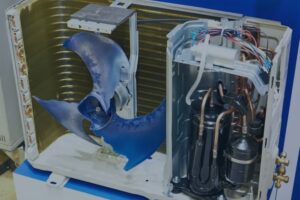
Most recyclable AC units contain a mix of highly recyclable materials, including:
- Aluminum coils and fins
- Steel frames and fan components
- Plastic covers and housings
- Wiring and misc electronics
The biggest concern is the refrigerant, a chemical coolant that must be properly handled. It can’t just be released into the air—it requires specialized handling by licensed facilities. Read our entire guide on the make up of an air conditioner here.
Air Conditioner Compressor Recycling
Air conditioner compressors are one of the most important parts of an AC unit to recycle properly. The compressor is the heavy metal component that helps move refrigerant through the system, and it is commonly found in window units, portable AC units, central air systems, mini-splits, and commercial HVAC equipment.
Because compressors are sealed components connected to refrigerant systems, they should not be removed, cut open, or scrapped casually. If the unit still contains refrigerant, that refrigerant must be recovered before the compressor is processed.
A compressor may contain reusable materials such as steel, copper wiring, aluminum, motor components, and oil. When handled through licensed air conditioner recycling, those materials can be separated properly while refrigerants and oils are managed through the correct channels.
Why AC Compressors Need Proper Handling
AC compressors are not just pieces of scrap metal. They can contain residual refrigerant, oil, electrical components, and pressurized sealed parts. That makes proper handling important for both environmental and safety reasons.
If a compressor is punctured, crushed, or improperly dismantled, refrigerant or oil may be released. This can create environmental issues and may also violate disposal rules. That is why compressor recycling should be part of a full air conditioner recycling process, not a DIY teardown.
For HVAC contractors, property managers, and facilities teams, compressor recycling is especially important during bulk replacements. A licensed electronics recycling company like EACR Inc. can help coordinate pickup, sorting, and documentation for AC units and compressor-containing equipment.
What Happens to AC Compressors During Recycling?
During the recycling process, compressors are typically removed after refrigerant recovery and initial unit processing. From there, the compressor can be sorted and routed for material recovery.
Reusable materials may include:
- Steel compressor shells
- Copper motor windings
- Aluminum components
- Wiring
- Electrical parts
Any remaining oil or regulated material must be handled through appropriate downstream methods. This helps keep reusable metals in circulation while reducing the risk of improper disposal.
For businesses replacing multiple AC units, keeping compressors within the full recycling process is the safest option. It supports compliance, improves material recovery, and helps avoid the problems that come with sending refrigerant-containing equipment to a basic scrap yard.
Refrigerant Handling: Why Licensed Recycling Matters
Refrigerants must be recovered—not vented. Venting refrigerant into the air is harmful to the environment and illegal in many situations.
Air conditioner recycling is regulated under appliance disposal rules because refrigerants contribute to ozone depletion and greenhouse gas emissions when mishandled. Attempting to drain refrigerant yourself is unsafe and can lead to fines, injuries, or environmental damage. Licensed e-waste recyclers like EACR Inc. ensure that refrigerant is handled according to applicable regulations. This prevents illegal release, protects workers, and ensures compliance with applicable regulations—one of the key reasons professional recycling matters.
Types of Air Conditioners That Can Be Recycled
Most air conditioners are recyclable, but they must be processed by a licensed facility due to refrigerants and electronic components. EACR Inc. accepts a wide range of systems, including:
- Window air conditioners
Compact units with sealed refrigerant systems, copper coils, and electronics that require proper recovery before recycling. - Portable air conditioners
Freestanding units that still contain compressors, refrigerant, and circuit boards—never suitable for trash or curbside pickup. - Ductless mini-split systems
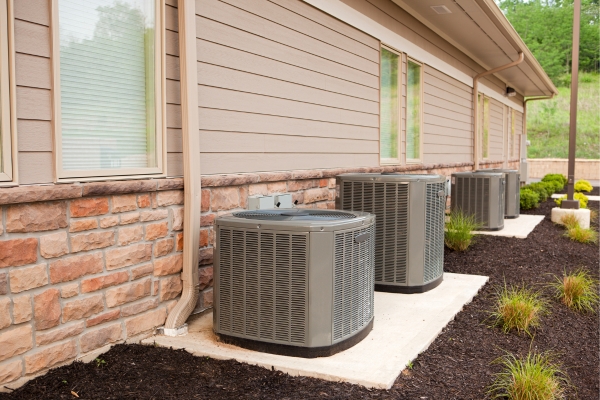
Indoor heads and outdoor condensers that include refrigerant lines, control boards, and reusable metals. - Central air conditioning units
Large residential systems with significant amounts of aluminum, copper, steel, and regulated refrigerants. - Rooftop and commercial HVAC units
High-capacity systems are used on commercial buildings that require coordinated removal and licensed handling. - Dehumidifier-style AC units
Smaller appliances that still contain refrigerant and electronics must be recycled as regulated equipment.
Where to Recycle an Old Air Conditioner
Local Recycling Centers
Start by searching for a licensed electronics or appliance recycling center in your area. Make sure the facility is equipped to handle refrigerant appliances and metal/e-waste sorting—this ensures your unit is disposed of legally and safely.
Municipal Bulk Waste Programs
Some cities and counties offer scheduled bulk e-waste pickups or seasonal drop-off events for air conditioners and other appliances. Always check first—some programs may require you to drain the refrigerant beforehand.
EACR Inc.’s Drop-Off and Commercial Programs
If you’re located in New Jersey, New York, or Pennsylvania, EACR Inc. makes recycling air conditioners simple. We offer:
- Convenient drop-off services at our facility in Lakewood, NJ
- Mail-in programs for small electronics and parts
- Container-based solutions for businesses and HVAC contractors, replacing multiple units
We’re a licensed electronics recycling company with the tools and knowledge to handle appliances containing refrigerant properly and responsibly.
Air Conditioner Recycling vs. Scrap Yards
Why Scrap Yards Aren’t Enough
Scrap yards typically focus on metal value only. In many cases:
- Refrigerants are not properly recovered
- Electronics are mishandled or ignored
- No compliance or recycling documentation is provided
- Liability remains with the generator, not the scrap yard
Dropping an AC unit at a scrap yard does not eliminate your environmental or legal responsibility.
Why You Should Never Throw an AC in the Trash
It’s Hazardous to the Environment and Your Health
Air conditioners contain refrigerants that can leak when improperly disposed of. These chemicals damage the ozone layer and contribute to respiratory issues if released into the air.
Illegal Dumping Can Cost You
In many states, tossing an AC unit in the trash is a violation of environmental laws. Improper disposal can lead to steep fines—not to mention liability if damage occurs.
It wastes reusable materials
Air conditioners contain aluminum, steel, and electronics—all of which can be recycled and reused. Throwing them away is a missed chance to conserve natural resources.
Tips Before You Recycle
Disconnect and Clean
Unplug the unit, disconnect it safely, and remove any smart controllers or Wi-Fi-enabled parts you want to keep.
Know What the Recycler Accepts
Not all recycling centers take every type of AC. Some only accept window units, others handle central systems. Always call ahead.
Consider Professional Help
If you’re removing a built-in or central unit, it’s best to let an HVAC technician handle it. They can ensure refrigerants are recovered legally and safely.
EACR Inc.’s Role in Responsible AC Recycling

Safe, Compliant Recycling from Start to Finish
At EACR Inc., we make recycling air conditioners simple and responsible. Our team safely recovers every recyclable component—ensuring nothing harmful ends up in the trash.
Scalable Programs for Homes and Businesses
Whether you’re a homeowner with a single unit or a contractor replacing 20, we’ve got you covered. Our e-waste container programs are perfect for HVAC businesses and commercial properties needing bulk disposal solutions.
Drop-Off Location & Service Area
You can drop off old air conditioners at our facility located at 1950 Rutgers University Blvd, Lakewood, NJ 08701. We proudly serve Connecticut, Delaware, Maine, Maryland, Massachusetts, New Jersey, New York, Pennsylvania, Rhode Island, Vermont, Virginia, and Washington DC with local drop-offs, mail-in services, and customized recycling solutions.
How Licensed Air Conditioner Recycling Is Different
Licensed recycling provides:
- Proper refrigerant recovery
- Electronics recycling compliance
- Zero-landfill processing for reusable materials
- Certificates of recycling for compliance
This full-system approach protects both the environment and your organization.
Air Conditioner Recycling for Businesses & Contractors
Commercial and institutional AC recycling often involves volume, coordination, and compliance. EACR Inc. supports:
HVAC Contractors
Bulk unit replacement support during upgrades or retrofits, with scheduled pickups and proper recycling.
Property Managers
Safe removal of units from residential and mixed-use properties, with documentation for ownership records.
Commercial Building Owners
End-of-life recycling for rooftop and central systems during renovations or energy-efficiency upgrades.
Facilities Teams
Ongoing recycling programs that align with maintenance schedules and sustainability goals.
Municipal & Government Operations
Audit-ready recycling with clear documentation and environmentally responsible handling.
Container programs, scheduled pickups, and compliance documentation make large-scale recycling manageable.
What Happens After an Air Conditioner Is Recycled
Once an AC unit enters a licensed recycling facility, it follows a controlled process:
- Metal separation, including aluminum, copper, and steel
- Electronics processing through licensed e-waste channels
- Plastic handling where recycling is viable
- Zero-landfill routing for all reusable materials
This transparency reinforces safe handling and material recovery at every stage.
Frequently Asked Questions About Recycling Air Conditioners
How often do air conditioning units need to be replaced?
Most residential AC units last 10–15 years, while commercial systems may be replaced sooner due to efficiency upgrades or maintenance costs.
Do you recycle window and portable air conditioners?
Yes. Window and portable air conditioners are accepted and processed with proper recycling and recovery
Can you pick up large commercial or rooftop AC systems?
Yes. Licensed recyclers like EACR Inc. handle bulk and commercial AC recycling, including rooftop units and large systems.
Can air conditioner compressors be recycled?
Yes. Air conditioner compressors can often be recycled as part of the overall air conditioner recycling process. Compressors may contain reusable steel, copper windings, aluminum, and other components. However, because they are connected to refrigerant systems, they should be handled through appropriate recycling channels rather than removed and scrapped casually.
Can I remove and scrap an AC compressor myself?
It depends on whether the system has already had its refrigerant properly recovered. Compressors from refrigerant-containing air conditioners should not be cut open or removed before refrigerant recovery has taken place. Working with a licensed recycler helps ensure refrigerants, oils, and compressor components are managed responsibly and in accordance with applicable requirements.
Do I need to prepare the air conditioner before recycling?
No refrigerant removal should be attempted. Simply disconnect power and coordinate pickup or drop-off with a licensed recycler.
Will I receive documentation?
Yes. Recycling through EACR Inc. includes certificates of recycling for compliance.
Conclusion
Tossing an old AC unit in the trash isn’t just harmful—it’s often illegal. With refrigerants, metals, and electronic components, air conditioners demand proper recycling.
EACR Inc. makes it easy.
From safe refrigerant handling to full dismantling and recycling, we help protect the planet and keep you compliant. Contact us today to recycle your air conditioner the right way.