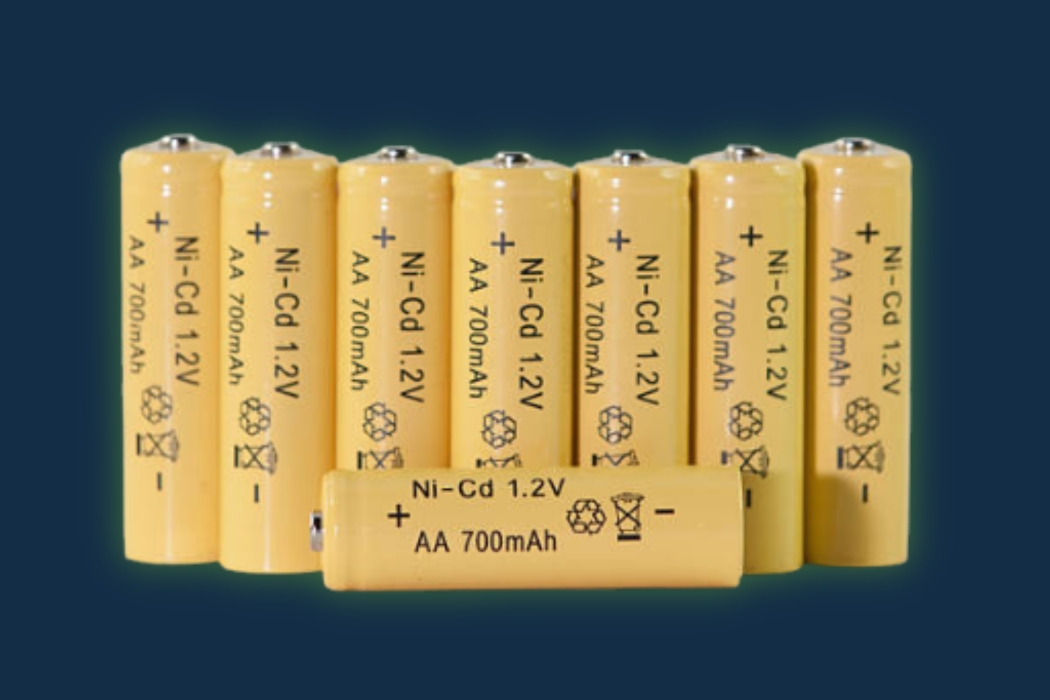
NiCad battery recycling refers to the proper handling and processing of nickel-cadmium batteries through electronics recycling programs instead of tossing them into the trash. These batteries may feel outdated, but they require special handling because they contain cadmium—a toxic heavy metal regulated under environmental law.
NiCad batteries are regulated rechargeable batteries, not household waste. One of the most common misconceptions is that older batteries are less dangerous than newer technologies. In reality, NiCad batteries often pose greater environmental and health risks than many modern battery types when they’re improperly disposed of.
This guide explains:
- What NiCad batteries are and how they work
- Where they’re still commonly used
- Why throwing them away causes real environmental and compliance problems
- How proper recycling protects people, ecosystems, and infrastructure
Throughout this guide, we’ll also explain how EACR Inc., a licensed electronics and battery recycling provider, handles NiCad batteries safely and responsibly for individuals, businesses, and institutions.
What is a Nickel-Cadmium (NiCad) Battery?
How NiCad Batteries Work
Nickel-cadmium batteries use a chemical reaction between nickel oxide hydroxide and metallic cadmium to store and release energy. They’re designed to be rechargeable, durable, and capable of delivering high discharge currents, which made them popular in demanding applications for decades.
These batteries were built for repeated use—not single-use disposal—which makes end-of-life recycling essential once they can no longer hold a charge.
Why NiCad Batteries Are Different From Other Batteries
NiCad batteries stand apart from other common battery types for several reasons:
- They contain cadmium, a toxic heavy metal
- They pose higher long-term environmental and health risks than alkaline batteries
- They’re regulated differently than lithium batteries due to cadmium’s persistence and toxicity
Because of this chemistry, NiCad batteries must be treated as regulated electronic waste, not general recyclables.
Why NiCad Batteries Should Never Be Thrown in the Trash
Cadmium Is a Hazardous Heavy Metal
Cadmium is dangerous even in small amounts:
- Toxic to humans and wildlife
- Persistent in soil and water
- Classified as hazardous waste when improperly handled
Once released into the environment, cadmium does not break down.
Environmental Damage From Improper Disposal
When NiCad batteries are trashed or landfilled:
- Cadmium can leach into soil and groundwater
- Ecosystems face long-term contamination
- Plants and animals absorb toxins through bioaccumulation
This damage often goes unnoticed until contamination becomes widespread and costly to address.
Legal & Compliance Risks
Improper disposal isn’t just harmful—it’s risky:
- EPA and state regulations restrict NiCad battery disposal
- Landfill bans exist in many jurisdictions
- Businesses can face fines, cleanup costs, and liability
Recycling through licensed programs isn’t optional—it’s required for safe and compliant handling.
Human Health Risks Linked to NiCad Batteries
Cadmium Exposure Risks
NiCad batteries are regulated for a reason: cadmium is dangerous to human health. When these batteries are damaged, crushed, or improperly disposed of, cadmium can escape into the environment and the body. Documented risks include:
- Kidney damage from prolonged exposure
- Bone demineralization, increasing fracture risk
- Respiratory harm when cadmium dust or fumes are inhaled
- Long-term toxicity due to cadmium’s persistence in the body and environment
Unlike many substances, cadmium doesn’t break down over time. Once exposure occurs, the effects can be cumulative and long-lasting.
Occupational & Community Exposure
Improper handling puts specific groups at higher risk:
- Informal or untrained handling during disposal or cleanup
- Exposure at waste and recycling facilities not equipped for hazardous batteries
- Communities located near landfills or dumping sites where cadmium can migrate into soil and water
These risks are exactly why NiCad batteries are treated differently than everyday household waste.
The NiCad Battery Recycling Process
Step 1: Collection
Responsible recycling starts with safe collection:
- Drop-off options for individuals
- Secure battery containers for businesses
- Bulk pickup programs for institutions, facilities, and infrastructure upgrades
These methods keep batteries out of trash bins and uncontrolled waste streams.
Step 2: Sorting & Identification
Once collected, batteries are handled with care:
- NiCad batteries are separated from lithium and alkaline types
- Damaged or leaking units are identified immediately
- Safety protocols are used to prevent cadmium exposure
Proper identification is critical, since NiCad batteries require different processing than other chemistries.
Step 3: Mechanical Processing
Batteries move through controlled dismantling:
- Units are processed in regulated environments
- Cadmium-containing components are isolated
- Materials are prepared for recovery without releasing contaminants
This step prevents cadmium from escaping into air, soil, or water.
Step 4: Material Recovery
Recovered materials are routed responsibly:
- Cadmium is safely captured and reused in regulated industrial applications
- Nickel and steel are recovered and reintroduced into manufacturing
- No materials are sent to landfills
This closed-loop approach reduces environmental risk while recovering usable resources.
What Materials Are Recovered From NiCad Batteries?
NiCad battery recycling allows several materials to be recovered safely:
- Cadmium, reused in controlled industrial processes
- Nickel for manufacturing and metal applications
- Steel casings
- Plastics, where applicable
Recovering these materials reduces the need for new mining, lowers environmental disruption, and limits exposure to hazardous substances that would otherwise persist in landfills.
Environmental Benefits of Recycling NiCad Batteries
Recycling NiCad batteries delivers measurable environmental benefits:
- Prevents toxic metal contamination of soil and groundwater
- Keeps hazardous materials out of landfills
- Reduces demand for raw material extraction
- Supports safer, more resilient waste management infrastructure
- Protects ecosystems, waterways, and long-term land use
Proper recycling stops damage before it starts.
Recycling Options Available Through EACR Inc.
For Individuals
- Convenient drop-off options
- Small-quantity NiCad battery recycling
- Safe handling without home dismantling
For Businesses & Institutions
- Secure e-waste collection containers
- Scheduled pickup services
- Bulk NiCad battery recycling programs
- Recycling documentation for compliance
By offering flexible programs, EACR Inc. makes NiCad battery recycling practical, compliant, and environmentally responsible—whether you’re managing one battery or thousands.
How to Prepare NiCad Batteries for Recycling
Preparing NiCad batteries correctly helps reduce risk before they ever reach a recycling facility:
- Do not crush, puncture, or dismantle batteries
- Store batteries in a cool, dry container away from heat
- Keep NiCad batteries separate from lithium batteries
- Group multiple batteries together to allow for efficient, safe handling
These small steps go a long way in preventing leaks, exposure, and fire risk during storage and transport.
Nickel-Cadmium Battery Recycling FAQs
Can NiCad batteries go in the trash?
No. NiCad batteries contain cadmium, a toxic heavy metal, and should never be placed in household trash or dumpsters.
Are NiCad batteries hazardous waste?
Yes. When improperly handled or disposed of, NiCad batteries are considered hazardous due to their cadmium content and environmental risk.
How are NiCad batteries different from lithium batteries?
NiCad batteries contain cadmium, while lithium batteries contain lithium-based chemistries. Both are regulated, but they require different handling and recycling processes.
Do NiCad batteries require special recycling?
Yes. NiCad batteries must be recycled through licensed battery and electronics recycling programs that can safely isolate and recover cadmium.
Can businesses recycle large quantities of NiCad batteries?
Absolutely. Businesses, facilities, and institutions can recycle bulk quantities through scheduled pickups and container-based programs.
Does EACR Inc. provide documentation?
Yes. Certificates of recycling are provided to support compliance, reporting, and internal recordkeeping.
Conclusion: Recycle NiCad Batteries the Right Way
NiCad batteries are electronic waste—not outdated, harmless leftovers. Improper disposal exposes people and the environment to cadmium, a toxic material with long-lasting effects.
Recycling NiCad batteries isn’t optional. It’s required to protect public health, ecosystems, and infrastructure.
EACR Inc. provides licensed NiCad battery recycling services for individuals, businesses, and institutions. Schedule a pickup, arrange a drop-off, or request recycling services today to ensure these batteries are handled safely and responsibly.