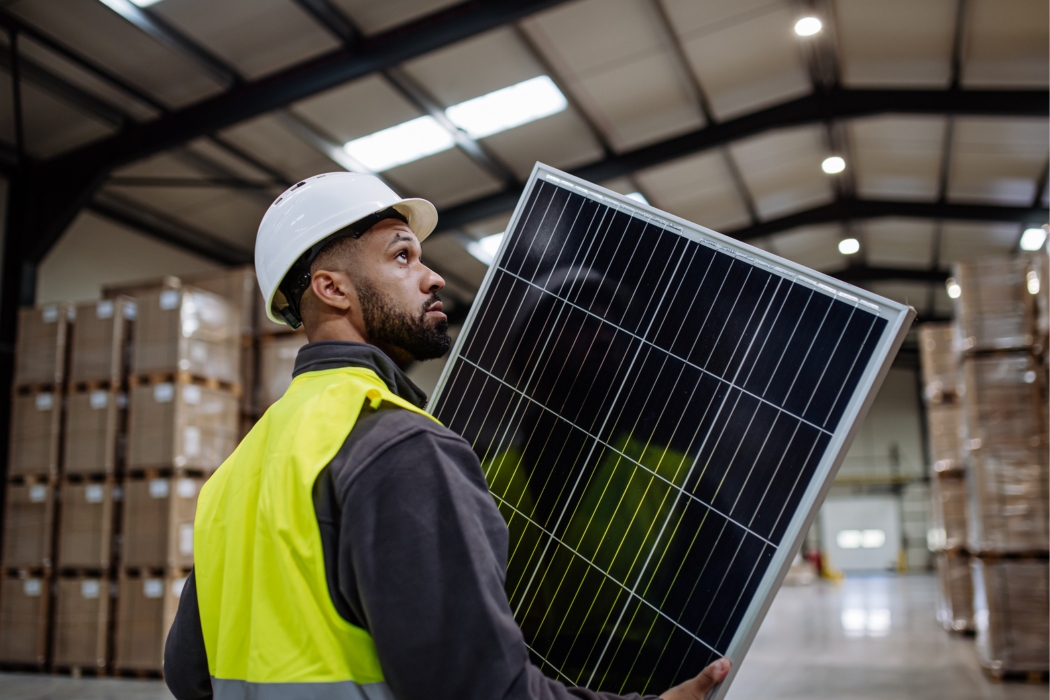
Solar energy has become one of the most talked-about renewable energy sources. With panels popping up on rooftops across the country, it’s easy to see why—solar power offers clean electricity, fewer carbon emissions, and long-term savings.
But like any technology, it’s not perfect. While the benefits are real, there are also drawbacks that homeowners and businesses should consider. In this post, we’ll take a closer look at some of the downsides of solar panels to give you a balanced perspective.
High Upfront Costs of Solar Energy Systems
Switching to solar isn’t cheap. The equipment itself—panels, inverters, wiring, and mounting hardware—carries a hefty price tag. Add in labor, permits, and inspections, and the upfront bill can easily reach tens of thousands of dollars.
Even with tax credits or rebates, it can take years before the system pays for itself through energy savings. Leasing can reduce the initial outlay, but that often means you don’t fully own the system or enjoy all the financial benefits. For many homeowners, the high initial cost is one of the biggest hurdles.
Solar Power Storage Challenges
Producing energy from the sun is one thing—storing it is another. Home battery systems, like lithium-ion units, remain expensive and can add thousands to the overall project.
On top of that, batteries don’t last forever. They require maintenance and will eventually need to be replaced, creating additional long-term costs. Without storage, homeowners are still tied to the grid, especially at night or during cloudy stretches. That means true energy independence is harder to achieve than many people expect.
Solar Panel Efficiency Limitations
Solar panels work best in direct sunlight, which makes their performance weather-dependent. On stormy or overcast days, energy output can dip significantly. And at night, production stops altogether.
Location matters too. Homes in sunnier regions naturally get better results, while shaded roofs or properties in northern climates often struggle with efficiency. This can limit the savings potential, depending on where you live.
Space and Roof Limitations for Installation
Not every home is suited for solar. Roof orientation, slope, and materials can all affect installation. Some surfaces make mounting easier, while others may complicate or increase costs.
Then there’s the issue of size. To generate enough electricity to fully cover a home’s needs, large arrays are often required. If roof space is limited, or if you’re considering ground-mounted systems, the panels can take up valuable land. For city dwellers or those with smaller lots, that can be a dealbreaker.
Environmental Concerns in Manufacturing
While solar panels generate clean energy once installed, the production process tells a different story. Manufacturing requires mining raw materials such as silicon, lithium, and rare earth metals—processes that consume significant energy and can harm the environment.
On top of that, panels often contain hazardous materials like cadmium and lead. If not handled correctly, these substances pose risks to both people and ecosystems. It’s important to remember that solar power isn’t entirely free of environmental impact—the sourcing and manufacturing process has its own footprint.
Lifespan and the Need for Recycling
Solar panels don’t last forever. Most begin to lose efficiency after 15–20 years, and with technology advancing so quickly, many homeowners replace panels even sooner. That creates a growing waste problem.
If old panels end up in landfills, toxic materials can leach into the soil and water. The smarter solution is recycling. Through professional recycling, materials like glass, aluminum, copper, and even trace metals such as silver can be recovered and reused.
Companies like EACR Inc. specialize in handling, transporting, and recycling solar panels safely. By closing the loop, recycling reduces waste, protects the environment, and makes solar energy more sustainable for the long term.
Maintenance and Aesthetic Issues
Owning solar panels isn’t entirely hands-off. They require periodic cleaning to remove dirt and debris, and occasional inspections to keep performance high.
Maintenance challenges can also extend to your roof. If you need repairs, panels often have to be removed before the work can begin, adding time and expense. Beyond the practical concerns, some homeowners simply don’t like the look of large solar arrays on their roof, especially in neighborhoods where appearance matters.
The Coming Solar Waste Crisis
The solar industry is booming, but recycling infrastructure hasn’t caught up. Industry experts warn that panel waste could surge far earlier than originally projected, as homeowners replace panels with newer, more efficient models.
This creates a looming waste crisis. With limited recycling options and high disposal costs, managing end-of-life solar panels is becoming an urgent challenge. Regulations around disposal are expected to grow, meaning proper recycling will only become more important in the years ahead.
Balancing the Pros and Cons of Solar Power
Solar energy offers undeniable benefits, from cutting emissions to lowering electricity bills. But it also comes with drawbacks: high upfront costs, storage limitations, efficiency challenges, manufacturing impacts, a limited lifespan, and the growing issue of waste.
The good news is that many of these challenges can be managed. By investing in proper recycling and responsible disposal, we can make solar energy a cleaner, more sustainable option for future generations.
Conclusion
Solar panels are a promising step toward a renewable future, but they aren’t without complications. From manufacturing impacts to long-term waste concerns, it’s clear that recycling and responsible management are critical pieces of the puzzle.
EACR Inc provides safe, and effective recycling solutions for solar panels and other electronics. Contact EACR Inc.. today to learn more about how we can help you recycle solar panels the right way.