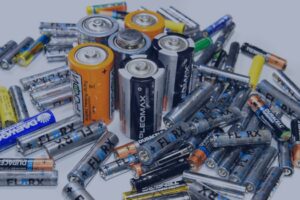
Battery waste is far bigger than most people realize. From household AA batteries to electric vehicle systems, billions of batteries reach end-of-life every year, creating a growing waste problem that most people never see. Understanding the scale of battery disposal helps explain why proper recycling matters, especially as more devices, tools, and vehicles rely on battery power. If you already have batteries piling up, working with a battery recycling company helps make sure they are handled safely and responsibly instead of ending up in landfills.
How many batteries are thrown away each year? Key Facts
- More than 3 billion batteries are thrown away every year in the United States, totaling about 180,000 tons of hazardous waste.
- The average American household buys up to 90 alkaline batteries per year.
- Common sizes like AA, C, and D batteries make up roughly 20% of all household hazardous waste.
- Approximately 160 million cell phone batteries are discarded every year.
The Global Scale of Battery Usage
Batteries Power Everything
Batteries are built into nearly every part of modern life. Phones, laptops, cars, power tools, and backup systems all depend on them to function.
The scale is massive. A household of just two people can have anywhere from 20 to 60 batteries in use at any time, and that number grows when you factor in business and industrial use (Batteries in a Flash, 2014).
Growing Demand = Growing Waste
Battery demand is increasing fast. EV adoption continues to rise, energy storage systems are expanding, and consumer electronics are constantly being replaced.
More batteries in circulation means one thing: more waste at end-of-life. The problem isn’t slowing down—it’s accelerating.
How Many Batteries Are Thrown Away Each Year?
United States Battery Waste
In the United States alone, around 3 billion batteries are thrown away each year (EPA, 2024). That adds up to roughly 180,000 tons of hazardous waste annually.
Phone Battery Waste Alone
Even within a single category, the numbers are significant. Around 160 million phone batteries are discarded each year in the U.S. (EPA, 2024).
That’s just one type of battery—and it still creates a massive amount of waste.
United Kingdom Battery Waste
In the UK, approximately 20,000 batteries end up in landfill sites each year (Collect & Recycle, 2024), showing that improper disposal is still a major issue even in regulated systems.
European Battery Waste
Across the EU, around 242,000 tonnes of portable batteries are sold annually (European Commission, 2024), but only about 48% are actually recycled.
Key Takeaway
When you step back and look at the data, the pattern is clear. Billions of batteries are discarded globally every year—and a large percentage of them are never properly recycled.
Battery Recycling Rates (The Real Problem)
Low Recycling Rates
Battery recycling rates are improving, but they’re still far from where they need to be.
UK: ~33–35% recycling rate (Gov.UK, 2024)
EU: ~48% recycling rate (European Commission, 2024)
What That Means
Most batteries are not being recycled properly. Instead, they end up in landfills, stored in drawers and warehouses, or pushed through improper disposal channels.
That leads to lost materials, environmental risk, and unnecessary demand for new resource extraction.
Why So Many Batteries Become Waste
Short Lifespans
Some batteries are designed to be disposable. Single-use batteries die quickly, and even rechargeable ones lose performance over time.
Damage and Failure
Batteries don’t always fail naturally. Drops, overheating, and misuse can shorten their lifespan and turn them into waste sooner than expected.
Consumer Behavior
A big part of the issue comes down to behavior. Devices are replaced instead of repaired, and convenience often outweighs proper recycling.
The Bigger Picture
Battery waste isn’t just a technical issue—it’s behavioral. How people use, replace, and dispose of batteries plays a major role in how much waste is created.
Environmental Impact of Battery Waste
Hazardous Materials
Batteries contain materials that require proper handling, including lead, mercury, and lithium. These aren’t harmless components—they’re regulated substances that can cause real environmental damage if they’re not processed correctly.
Landfill Risks
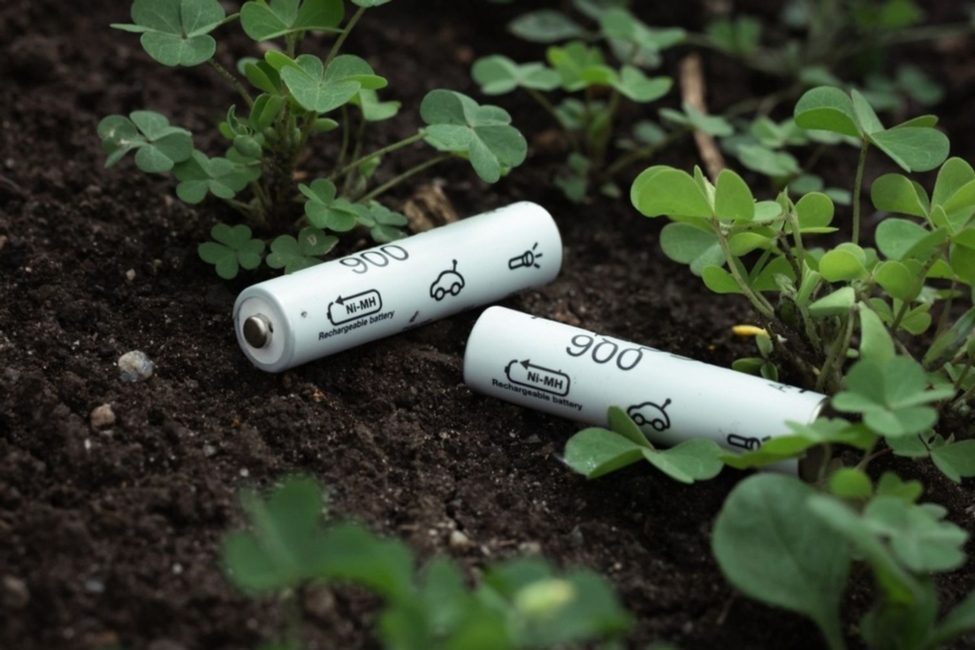
When batteries end up in landfills, their internal chemicals can leak into the surrounding environment. Over time, that can contaminate soil and groundwater, creating long-term issues that are difficult and expensive to reverse.
Fire Hazards
Battery-related fires are becoming more common, especially in waste facilities. Improper disposal—particularly with lithium batteries—can lead to fires during transport, storage, or processing.
Key Takeaway
Improper battery disposal isn’t just a waste problem—it’s both an environmental and safety issue.
How Much of a Battery Is Recyclable?
High Recovery Potential
A large portion of battery materials can actually be recovered. In some cases, up to 99% of materials can be reused through proper recycling processes.
The Problem
Despite that high recovery potential, most of those reusable materials are lost when batteries are thrown away or improperly handled.
The Bigger Picture
Battery recycling isn’t optional—it’s a massive missed opportunity to recover materials and reduce the need for new resource extraction.
What Happens to Batteries That Aren’t Recycled
When batteries aren’t recycled properly, they typically follow one of three paths: they’re sent to landfills, stored indefinitely in homes or facilities, or processed through improper channels.
The result is material loss, environmental contamination, and increased demand for mining new raw materials. It’s a cycle that keeps repeating when recycling isn’t prioritized.
Global Efforts to Improve Battery Recycling
Regulations
Governments are starting to take battery waste more seriously. In the U.S., laws like the Battery Act and Universal Waste regulations help guide proper handling and disposal. In Europe, battery directives set standards for collection and recycling.
Recycling Improvements
At the same time, systems are improving. Collection programs are expanding, manufacturers are being pushed to take responsibility for end-of-life products, and overall awareness is growing.
Progress is happening—but it’s still catching up to the scale of the problem.
The Three-Part Solution: Reduce, Reuse, Recycle
Reduce
Using longer-lasting batteries and avoiding unnecessary replacements can help cut down on waste at the source.
Reuse
Rechargeable batteries and refurbished systems extend the life of materials and reduce the need for constant replacement.
Recycle
Recycling is the final step that keeps materials in circulation and prevents environmental damage. It ensures batteries are handled properly and reusable components are recovered.
Why Work with EACR Inc. for Battery Recycling
Battery waste is a growing problem—but how it’s handled makes all the difference. Working with an experienced electronics recycling company ensures batteries are managed safely, responsibly, and in line with current regulations.
Over 25 Years of Electronics Recycling
EACR Inc. brings decades of experience to the table. To date, the company has diverted more than 200 million pounds of electronic waste from landfills. That scale matters—because battery waste isn’t just about disposal, it’s about doing it right.
Conclusion
The number of batteries thrown away each year is staggering—billions globally, with millions ending up in landfills instead of being recycled.
From small household batteries to large-scale systems, the impact adds up quickly. But the solution is clear: reduce unnecessary use, extend battery life where possible, and recycle properly when they reach end-of-life.
If you have old or unused batteries, EACR Inc. provides structured battery recycling solutions to keep hazardous materials out of landfills and recover reusable resources.