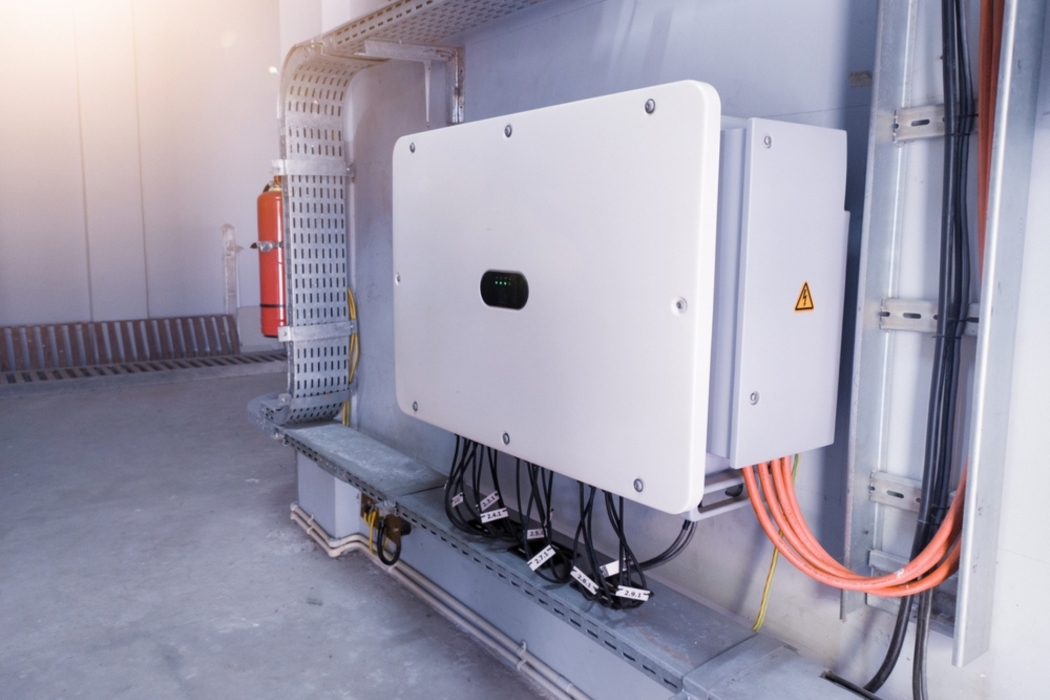
If you’ve ever wondered how long solar inverters last, the short answer is: not as long as your panels. A solar inverter’s job is simple but essential — it converts the DC electricity your panels produce into usable AC electricity for your home or business. Panels can reliably produce power for 25–30 years, but inverters work harder, handle more stress, and naturally have a shorter lifespan.
Different inverter types age differently. String inverters, microinverters, and string inverters paired with DC optimizers all have their own expected lifespans, maintenance needs, and replacement timelines. Knowing these differences helps homeowners prepare for when an inverter may fail, budget for future replacement, and keep their solar system performing at its best.
Understanding inverter lifespan also matters for sustainability. When a solar system reaches end-of-life, both the panels and the inverter contain recyclable materials like aluminum, copper, wiring, and electronics. EACR Inc. provides solar panel recycling services designed for full-system recovery, helping homeowners and developers dispose of old solar equipment responsibly.
How Long Do Different Solar Inverters Last?
String Inverters (Typical Lifespan: 10–15 Years)
String inverters are the most common and most budget-friendly option for residential solar. They connect multiple panels into a “string,” sending power to one central inverter. On average, they last 10–15 years, which means most homeowners will need to replace them once during the lifetime of their solar panels.
The biggest reason string inverters fail sooner is the electrolytic capacitors inside them. These components wear down faster than the rest of the electronics, especially in hot or poorly ventilated areas.
Most string inverters come with 5–10-year warranties, and many manufacturers offer the option to extend coverage up to 20 years. When installed on roofs with good sun orientation and minimal shading, they remain one of the most reliable and cost-effective choices.
Microinverters (Typical Lifespan: 20–25 Years)
Microinverters sit behind each individual solar panel, converting DC to AC right at the source. This design generally gives them a 20–25-year lifespan, much closer to that of the solar panels themselves.
They tend to have a lower failure rate per unit, but because you have many of them, the overall chance of needing a repair or replacement somewhere in the system is still present. Microinverters offer excellent shading tolerance and panel-level performance monitoring, though they come at a higher upfront cost.
The technology is relatively newer, so while warranties often match the 20–25-year lifespan, long-term real-world performance data is still building.
DC Optimizers (Lifespan: 20–25 Years)
DC optimizers are installed behind each panel and work alongside a central string inverter to improve performance on shaded or complex roofs. They typically last 20–25 years, similar to microinverters, and often come with warranties to match.
However, even though the optimizers can last two decades or more, the string inverter still needs to be replaced at the typical 10–15-year mark. This hybrid setup gives you the efficiency benefits of panel-level optimization but still requires planning for a mid-life inverter replacement.
What Affects Solar Inverter Lifespan?
Heat and Outdoor Exposure
Heat is one of the biggest factors affecting how long solar inverters last, and inverters placed in hot or poorly ventilated areas tend to fail sooner. Units exposed to direct sunlight, enclosed garages, or tight utility closets face faster component degradation.
The ideal setup is a shaded, cool, well-ventilated location, either indoors or in a protected outdoor enclosure.
System Design
A mismatched or poorly designed system shortens inverter life. Oversizing or undersizing the inverter creates electrical strain, and sloppy wiring or incompatible equipment can accelerate failures. A properly engineered system helps the inverter run efficiently and last longer.
Electrical Load and Wear
In high-production environments, inverters work harder and cycle more frequently. That increases capacitor stress — the main cause of inverter failure. The more the inverter has to convert, the faster its internal components wear down.
Maintenance and Monitoring
Regular checkups go a long way. Routine inspections can catch early issues like capacitor swelling, loose wiring, burnt smells, or fan problems. Monitoring software also helps detect declining performance before the inverter stops working entirely.
Signs Your Solar Inverter Is Failing
Unusual Sounds or Overheating
Clicking, buzzing, or excessive heat usually points to internal capacitor trouble. These early warning signs shouldn’t be ignored.
Error Codes or Fault Indicators
If your inverter frequently triggers fault lights or error codes, internal components may be failing.
Drops in System Output
A noticeable decrease in power production — especially if panels are clean and conditions are normal — often indicates inverter degradation.
Complete Shutdown
When the inverter won’t turn on, repeatedly disconnects, or stops communicating with the monitoring platform, replacement is usually the only solution.
What Happens to Old Solar Inverters? Recycling vs. Disposal
Why Inverters Shouldn’t Go to Landfills
Solar inverters contain aluminum, copper, steel, wiring, and electronic components that should never end up in the trash. Recycling allows these materials to be recovered and reused in new manufacturing rather than contributing to landfill waste.
What Parts of an Inverter Can Be Recycled
- Aluminum housings
- Copper coils and wiring
- Circuit boards and electronic components
- Steel frames and hardware
Licensed e-waste recyclers can safely dismantle and process these materials so they’re reintroduced into the supply chain.
Conclusion
Solar inverters generally last 10–25 years depending on the type, environment, and quality of installation. Replacements are a normal and expected part of solar ownership, and planning ahead helps keep your system running efficiently for decades.
When the time comes to replace your inverter, end-of-life planning shouldn’t stop at removal. Inverters contain recyclable metals, wiring, and circuit components that should be recovered responsibly — not thrown away.
EACR Inc. offers solar panel recycling services that also support full-system recovery, including inverters, wiring, and related components. When your solar equipment reaches the end of its life, recycling with EACR Inc. helps ensure responsible disposal and keeps solar energy truly sustainable.