Corporate Social Responsibility, or CSR, is the practice of balancing business success with a positive impact on society and the environment. It’s rooted in the idea of the triple bottom line — people, planet, and profit. This means a company’s responsibility doesn’t stop at financial growth; it extends to how its actions affect employees, customers, communities, and the natural world.
Modern businesses are expected to do more than generate revenue — they’re expected to lead by example. From reducing pollution to supporting ethical labor and community engagement, companies now integrate sustainability directly into their mission. Consumers, investors, and employees alike want to see measurable action toward protecting the environment and improving lives.
One of the most effective ways to demonstrate CSR in action is through sustainable waste management. Properly recycling materials, especially electronics, keeps toxic metals and plastics out of landfills and reduces strain on natural resources. In this way, electronics recycling isn’t just good for the planet — it’s a tangible expression of a company’s broader commitment to corporate responsibility.
The Overlooked Link Between E-Waste and CSR
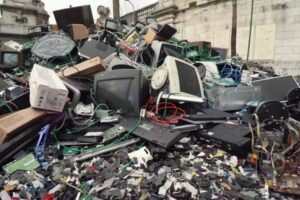
While many organizations focus on paper reduction or energy efficiency, electronic waste (e-waste) is often overlooked — despite being one of the fastest-growing waste streams in the world. Old computers, monitors, printers, and mobile devices contain harmful elements like lead, mercury, and cadmium, all of which can contaminate soil and water when not disposed of properly.
Responsible e-waste recycling is a core environmental CSR practice because it addresses a critical source of pollution while conserving reusable materials. Recycling electronics the right way allows metals and components to be safely recovered and reused instead of ending up in landfills or incinerators.
Neglecting e-waste has consequences beyond environmental damage. When businesses discard electronics irresponsibly, they risk harming local ecosystems, exposing workers to toxins, and damaging their brand reputation. Customers today are quick to support companies that act responsibly — and just as quick to call out those that don’t.
EACR Inc. helps organizations meet CSR goals by responsibly recycling electronics and ensuring hazardous materials are safely processed instead of ending up in landfills. By partnering with experts like EACR Inc., companies can turn sustainability goals into measurable results that protect the planet and reinforce ethical leadership.
Environmental Responsibility: Protecting the Planet
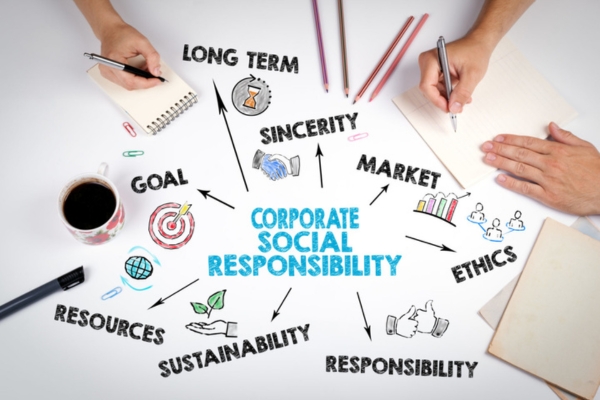
At the heart of CSR lies one key goal — protecting the planet. Electronics recycling perfectly aligns with this “planet” component of the triple bottom line. By recycling old devices, companies reduce the volume of e-waste that enters landfills, lower their carbon footprint, and conserve the raw materials needed to manufacture new products.
Recycling electronics offers measurable environmental benefits. It minimizes greenhouse gas emissions by cutting down on the energy required to extract and refine virgin metals. It also prevents harmful substances like lead and mercury from leaching into soil and water systems. For large corporations managing thousands of devices, these small actions compound into significant sustainability achievements.
This approach mirrors broader CSR strategies like reducing carbon footprints, offsetting emissions, and adopting sustainable procurement practices. When businesses view electronics recycling as an environmental responsibility rather than an afterthought, they not only meet regulatory expectations but also contribute to global progress toward a cleaner, more sustainable future.
Social Responsibility: Safeguarding Communities
Corporate Social Responsibility isn’t just about protecting the planet — it’s also about protecting people. Electronics recycling plays a crucial role in preventing environmental contamination that can harm public health. When old computers, televisions, or batteries are dumped in landfills, toxins like lead and mercury can leak into the soil and water supply. These pollutants don’t just affect ecosystems — they affect the air families breathe and the water communities drink.
CSR calls for every organization to safeguard the communities where they operate — minimizing harm, creating opportunity, and supporting public health through conscious business decisions.
Through its responsible recycling network, EACR Inc. helps keep toxic materials out of landfills and communities, protecting local ecosystems and families while advancing the social goals at the heart of corporate responsibility.
Economic Responsibility: Turning Waste Into Opportunity
The “profit” component of the triple bottom line doesn’t just refer to financial gain — it reflects how companies can grow sustainably while supporting broader social and environmental goals. Electronics recycling supports this side of CSR by reducing disposal costs and recovering reusable materials like copper, aluminum, and metals from discarded devices.
This process not only cuts waste expenses but also generates new revenue streams and reduces dependence on raw material mining. Beyond direct financial benefits, the recycling industry itself drives job creation, supporting local economies through skilled labor, logistics, and material processing roles.
Sustainable operations also attract clients, investors, and partners who prioritize ESG (Environmental, Social, and Governance) performance. Companies that embrace recycling as part of their economic responsibility position themselves as future-focused and resilient — proving that doing good and doing well can go hand in hand.
Building a CSR Program That Includes Electronics Recycling
Developing a strong CSR program means translating values into measurable action. Electronics recycling offers a clear and achievable way to demonstrate sustainability progress across all three CSR pillars. Here’s how companies can integrate it effectively:
1. Audit Current E-Waste Practices
Identify where and how your organization handles outdated electronics. Track what’s reused, recycled, or discarded — and look for inefficiencies or risks in your current process.
2. Partner With Licensed Recyclers
Work only with licensed electronics recyclers like EACR Inc., who ensure that devices are dismantled, sorted, and processed according to strict environmental and safety standards. Licensed recycling prevents contamination, protects data, and guarantees compliance with local and federal regulations.
3. Set Measurable Goals
Define specific, trackable targets — for example:
- Recycling 100% of retired IT assets
- Reducing e-waste volume by 25% within a year
- Implementing device take-back programs for employees or customers
4. Report and Share Results
Transparency builds trust. Measure progress with metrics such as:
- Waste diverted from landfills
- Greenhouse gas emissions avoided
- Recovered material value
- Community benefit or donation impact
Measurement and reporting are central to CSR success. As outlined in CSR: What You Should Know, tracking and sharing sustainability data ensures accountability and demonstrates progress toward long-term goals. By including electronics recycling in CSR strategies, companies make their environmental and social commitments tangible — turning sustainability from a talking point into a lasting legacy.
How Electronics Recycling Enhances Brand Reputation
A strong CSR program doesn’t just improve the environment — it strengthens how people view your brand. When companies are transparent about their recycling and sustainability practices, they build credibility with consumers, investors, and employees alike. People want to support businesses that align with their values, and responsible electronics recycling is a visible, measurable way to prove those values in action.
Today, transparency isn’t optional — it’s expected. Many Fortune 500 companies now publish annual sustainability reports and set net-zero or zero-waste targets to track their environmental and social progress. These efforts demonstrate ethical leadership and provide benchmarks for accountability.
Integrating electronics recycling into that broader sustainability narrative shows that a company is serious about doing what’s right — not just what looks good on paper. It reflects a long-term commitment to responsible growth, environmental protection, and ethical business practices. By publicly supporting recycling initiatives, businesses enhance their brand reputation and position themselves as trusted leaders in corporate responsibility.
Conclusion: Turning Responsibility Into Action
Electronics recycling directly supports all three pillars of Corporate Social Responsibility:
- Environmental: It protects the planet by reducing e-waste, conserving resources, and preventing toxins from entering ecosystems.
- Social: It safeguards communities from pollution and unsafe waste practices.
- Economic: It recovers reusable materials, creates jobs, and strengthens sustainable industries.
When businesses embrace recycling as part of their CSR strategy, they’re doing more than meeting compliance — they’re fulfilling a moral obligation to future generations. Sustainable e-waste management