Battery recycling is the process of collecting used batteries, sorting them by chemistry, preparing them for safe handling, and recovering reusable materials. People ask this because batteries are in almost everything now, they should not go in the trash, and different battery types need different handling from the start.
In most cases, the process includes collection, sorting, preparation, transportation, processing, and material recovery. The exact steps can vary based on the battery type, size, and condition, but the overall flow stays fairly consistent. Not sure what kind of battery you have before recycling it? Start with our guide on how to identify battery types so you can understand the right next step. EACR Inc. helps businesses and organizations manage battery recycling safely through structured collection, transportation, and end-of-life handling.
What is Battery Recycling?
Battery recycling means collecting used or end-of-life batteries and processing them so reusable materials can be recovered. Instead of sending batteries to waste, the goal is to move them through a system built for safer disposal and material recovery.
That matters because batteries are not simple waste. They contain different materials, chemistries, and internal components that need more careful handling than general trash.
Why Battery Recycling Matters
Batteries contain materials that should not go in regular trash
Batteries can contain metals, electrolytes, reactive components, and other internal materials that should not be mixed into general waste. Some battery chemistries can also create a fire risk if damaged, shorted, or handled the wrong way.
That is one of the biggest reasons battery recycling exists in the first place. These materials need a more controlled end-of-life process.
Different battery types need different handling
Not every battery is recycled the same way. Alkaline, lithium-ion, lead-acid, nickel-based batteries, LFP batteries, and other lithium chemistries can all require different handling and different processing methods.
That is why identification matters early. The battery type affects how it is sorted, packaged, transported, and ultimately recycled. Read our in-depth guide on how to identify a battery.
Recycling helps recover reusable materials
Battery recycling also helps recover reusable materials that would otherwise be lost. Depending on the battery type, metals and other components can be processed and recovered for reuse.
That supports waste reduction and better material use overall. Instead of treating batteries like disposable waste, recycling helps turn them into a source of recoverable material.
The Battery Recycling Process Step by Step
1. Collection
The process starts with collection. Batteries may come from businesses, institutions, collection points, drop-off programs, or scheduled recycling services depending on the volume and setup.
That collection can happen through drop-off, pickup, container-based collection, or other organized recycling programs. The right method usually depends on how many batteries there are and what type of batteries are involved.
2. Sorting by Battery Type
Once collected, batteries need to be sorted by chemistry before processing. This step matters because different battery types require different recycling methods, and mixing chemistries can create safety and handling problems.
This is especially important with lithium chemistries like LFP. Identifying and separating battery types early helps reduce risk and sets up the rest of the recycling process correctly.
3. Preparation for Recycling
After sorting, batteries are prepared for recycling based on their size, chemistry, and condition. The main priorities here are simple: prevent terminal contact, reduce shifting during storage and transport, and separate damaged units where needed.
A practical way to think about this step is: identify and separate, stabilize and secure, package correctly, then schedule removal. That framework helps keep batteries safer before they even reach the recycling facility.
4. Transportation
Once prepared, batteries move through a qualified recycling chain for transportation. This step matters more than people realize because damaged, unstable, or poorly packed batteries can create avoidable risk during handling and transit.
That is why structured logistics matter. A company like EACR Inc. helps manage collection and transportation in a more controlled way instead of leaving businesses to figure it out on their own.
5. Processing and Material Separation
At the recycling facility, batteries are processed using methods based on their chemistry. The goal is to break them down in a controlled way so the different materials can be separated.
This can include dismantling, shredding or mechanical breakdown, removal of casing and outer parts, and separation of battery materials. The exact method depends on the battery type, but the point is always the same: separate the components so recovery can begin.
6. Material Recovery
Once processing is complete, materials are recovered for reuse. Depending on the battery chemistry, that can include metals, steel, lithium compounds, nickel, cobalt, manganese, copper, and other battery materials.
The recovered output depends on the battery type, but this is the part of the process where recycling becomes material recovery. It is how end-of-life batteries are turned into usable inputs again instead of being wasted.
Does the Process Change by Battery Type?
Alkaline batteries
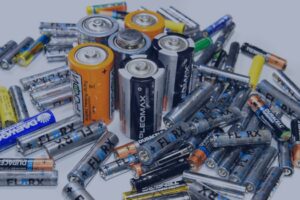
Alkaline batteries are usually processed to recover materials like steel, zinc, and manganese. These are common household-type batteries, and their recycling process is generally different from rechargeable battery chemistries.
Lithium-ion batteries
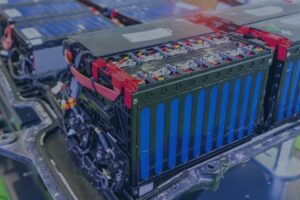
Lithium-ion batteries require more careful handling and more specialized recycling processes. They are common in electronics, tools, and larger battery-powered devices, and they often need more attention during sorting, preparation, and transport.
Lead-acid batteries
Lead-acid batteries are typically processed through more established recycling systems. They are common in vehicles, backup power systems, and other larger equipment applications.
Lithium iron phosphate and other specialty chemistries
Lithium iron phosphate and other specialty chemistries need careful identification, separation, and packaging before removal. These batteries should be kept separate from other types because chemistry mix-ups can create handling issues before recycling even begins.
How Batteries Are Prepared Before Recycling
Identify the battery type
The first step is identifying what kind of battery you have. That matters because lithium-ion, alkaline, lead-acid, nickel-based, and other battery chemistries do not all move through the same recycling process.
If you are not sure what you are looking at, identifying the type first helps avoid mistakes later. It also helps determine the right packaging, handling, and removal approach.
Keep different chemistries separate
Different battery chemistries should be kept separate before recycling. Mixing them can create handling problems and make the recycling process less safe and less efficient.
This is especially important for lithium batteries and other specialty chemistries. Separation is one of the simplest and most important preparation steps.
Secure terminals and prevent contact
Battery terminals should be secured so they do not make contact during storage or transport. Preventing contact helps reduce the risk of shorting, heat, or other avoidable issues.
This is one of the key parts of safe battery preparation. Even before transportation begins, batteries need to be stabilized and handled carefully.
Package batteries based on size and condition
Batteries should be packaged based on their size, chemistry, and condition. Intact batteries, damaged batteries, and larger battery units may all require different packaging approaches.
The goal is straightforward: keep the batteries stable, protected, and less likely to shift or get damaged before removal. Good packaging supports safer handling from start to finish.
Arrange pickup or removal through a qualified recycler
Once batteries are identified, separated, secured, and packaged, the next step is arranging pickup or removal through a qualified recycler. This helps move the batteries through a more controlled recycling process instead of leaving transportation to guesswork.
That matters because battery handling does not stop at packaging. Safe removal is part of the overall recycling chain.
What Happens to the Materials After Recycling?
After recycling, recovered materials may be refined, purified, and prepared for reuse in manufacturing or industrial applications. The exact output depends on the battery type, but the goal is to turn processed battery materials into usable inputs again.
In simple terms, recycling is not just about disposal. It is also about recovering materials that still have a useful next life.
Finding a Battery Recycling Company
Look for battery handling experience
Not every recycler handles batteries the same way. It is important to look for a company with experience managing battery collection, preparation, transportation, and end-of-life handling.
Ask about reporting, documentation, or compliance support if needed
Some businesses need more than removal alone. If reporting, documentation, or compliance support matters to your operation, it is worth asking about those details early.
Choose a company that can handle the battery types and volumes you actually have
The right recycler should match your actual needs. That means being able to handle the battery chemistries, quantities, and service setup your business requires, whether that means drop-off, pickup, or a larger collection program.
Frequently Asked Questions About How Battery Recycling Works
How does battery recycling work?
Battery recycling works by collecting used batteries, sorting them by chemistry, preparing them for safe handling, transporting them through a qualified recycling chain, processing them, and recovering reusable materials.
Why do batteries need to be sorted before recycling?
Batteries need to be sorted because different chemistries require different handling and recycling methods. Mixing them can create safety issues and complicate processing.
What happens to batteries after they are collected?
After collection, batteries are sorted, prepared for transport, processed according to chemistry, and broken down so materials can be recovered for reuse.
Can all battery types be recycled the same way?
No. Different battery types require different recycling processes. The chemistry of the battery affects how it is handled, transported, and processed.
Are lithium batteries recycled differently from alkaline batteries?
Yes. Lithium batteries typically require more careful handling and more specialized recycling steps than alkaline batteries.
How should batteries be prepared before recycling?
Batteries should be identified by type, kept separated by chemistry, secured to prevent terminal contact, packaged based on condition, and moved through a qualified recycling process.
Can businesses schedule battery pickup?
Yes. Businesses can often schedule battery pickup depending on the battery type, quantity, and recycling provider.
What materials are recovered during battery recycling?
Depending on the battery type, recovered materials may include steel, lithium compounds, nickel, cobalt, manganese, copper, and other battery-related materials.
Why should batteries not go in the trash?
Batteries should not go in the trash because they can contain metals, electrolytes, reactive components, and chemistries that require more careful handling.
How do I know what type of battery I have?
The best starting point is checking the battery label, product information, or manufacturer details. If that is still unclear, a battery identification guide can help narrow it down.
Final Takeaway
Battery recycling is not one single action. It is a process that includes identification, sorting, safe preparation, transport, processing, and material recovery.
The exact method depends on battery chemistry, and proper handling matters from the very beginning, not just at the recycling facility. If you want a better understanding of what is actually being recovered, read our guide on what batteries are made of. EACR Inc. helps businesses and organizations recycle batteries through practical collection, transportation, and recycling solutions built around safe handling.