What Is GPS Recycling?
GPS recycling is the process of safely disposing of old or unwanted GPS devices so their parts can be recycled or reused instead of wasted. These systems—once essential for road trips and navigation—contain electronics, batteries, and materials that shouldn’t end up in a landfill.
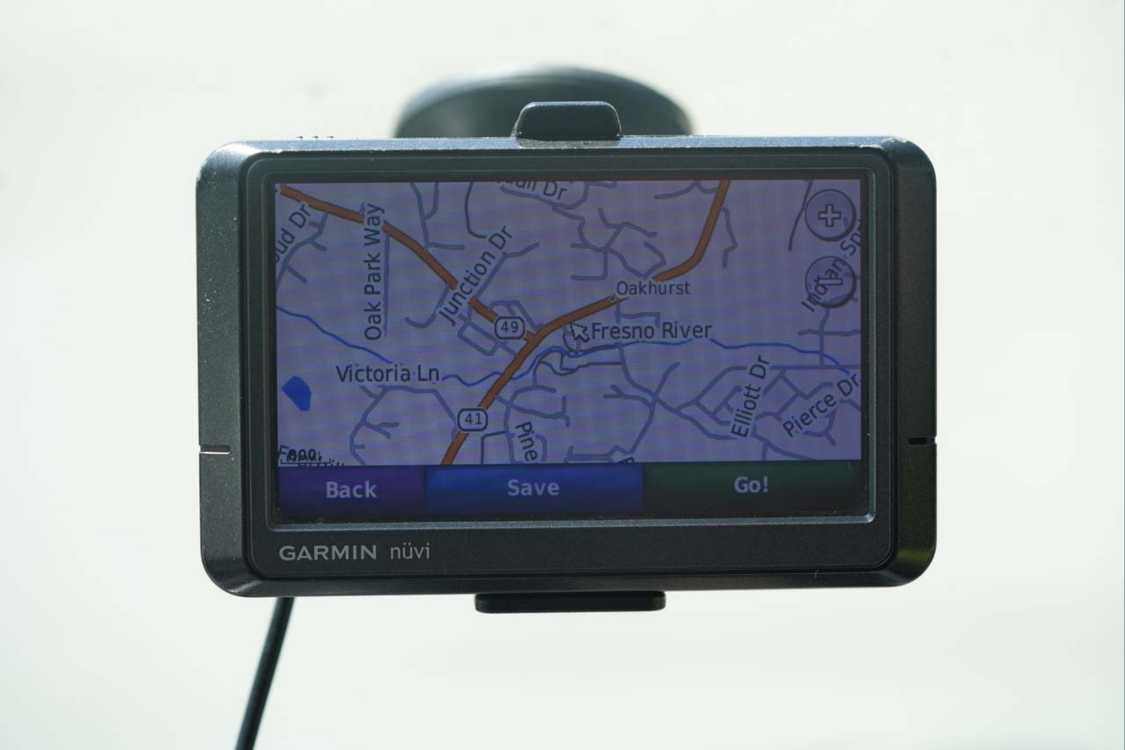
Back in the 2000s, brands like Garmin, TomTom, and Magellan made portable GPS units a must-have for drivers. But as smartphones took over with built-in navigation apps, many of these devices ended up in glove boxes, closets, or junk drawers, collecting dust. Recycling gives them a second life while keeping harmful materials out of the environment.
Why Old GPS Devices Should Be Recycled
GPS units may look harmless, but they’re built with components that pose risks if tossed in the trash. Circuit boards often contain lead, mercury, and other toxic substances, while the plastics and batteries can release pollutants into soil and water if they break down in landfills.
By recycling, these hazards are avoided—and the materials inside each device are reused. Materials like copper wiring, and aluminum casings can be extracted and reused in new electronics, reducing the need for fresh mining. Recycling your GPS is a small step that creates a big impact for the planet.
Can I Recycle an Old GPS System?
The short answer: Yes. Old GPS devices can and should be recycled. Licensed electronics recyclers like EACR Inc. accept them as part of their electronics recycling programs, ensuring every component is handled properly and nothing goes to waste.
If you’re looking for options, you have a few:
- Community recycling events often collect small electronics like GPS systems.
- Drop-off or pickup with a licensed recycler like EACR Inc., who guarantees safe processing and data destruction if your device ever stored personal information.
Instead of letting your old GPS sit in a drawer, recycling ensures it’s put to better use.
How GPS Recycling Works (The Process)
Collection and Sorting
The first step is simple: getting the device to a recycler. This can happen through drop-off programs, mail-in services, or e-waste containers provided by electronics recyclers like EACR Inc. Once received, devices are sorted by type and condition.
Data Wiping & Privacy
Some GPS units store sensitive location data like saved addresses or travel history. Before recycling, devices go through data wiping or physical destruction to ensure no personal information remains. Licensed recyclers make privacy a priority.
Material Recovery
Next comes dismantling. The plastics, metals, circuit boards, and batteries are separated and recycled. Reusable resources such as copper wiring and aluminum housings are reclaimed for use in new products.
Benefits of Recycling GPS Systems
Environmental Benefits
Recycling keeps lead, mercury, and other hazardous substances out of landfills. It also prevents harmful chemicals from leaking into soil and groundwater.
Resource Conservation
By recovering metals and plastics from old GPS units, recyclers reduce the need for new raw materials. This saves energy and minimizes the environmental impact of mining.
Compliance and Peace of Mind
E-waste is regulated by both federal and state laws. Recycling with a licensed provider ensures compliance with e-waste regulations, while also giving individuals and businesses peace of mind that devices are handled properly.
Where to Recycle Old GPS Devices Near You
Finding a recycling option for your GPS is easier than you think:
- Municipal e-waste programs: Many towns and counties run collection days or have drop-off sites specifically for small electronics.
- Retailer take-back programs: Stores like Best Buy and Staples often accept outdated electronics, including portable GPS units, for recycling.
- Licensed e-waste recyclers like EACR Inc: For the most reliable option, turn to a recycler that follows a zero-landfill policy and provides data destruction services. EACR Inc. ensures every component is handled properly, from circuit boards to batteries.
Frequently Asked Questions
Some do. Many models save recent destinations or home addresses. That’s why recyclers like EACR Inc. wipe or physically destroy storage components to protect your privacy.
Yes. Whether it’s Garmin, TomTom, Magellan, or another brand, licensed recyclers accept them all.
Yes. Chargers, cables, and even plastic dashboard mounts can be recycled alongside your GPS device.
Final Thoughts on GPS Recycling
Old GPS systems don’t belong in the trash—they belong in a recycling stream where their materials can be recovered and reused. Recycling prevents toxic components from harming the environment and ensures reusable resources are put back into circulation. If you’ve got an old GPS tucked away in a drawer, now’s the time to recycle it. Contact EACR Inc. today to schedule a pickup, request a recycling container, or join a community collection event and make sure your device is handled responsibly.