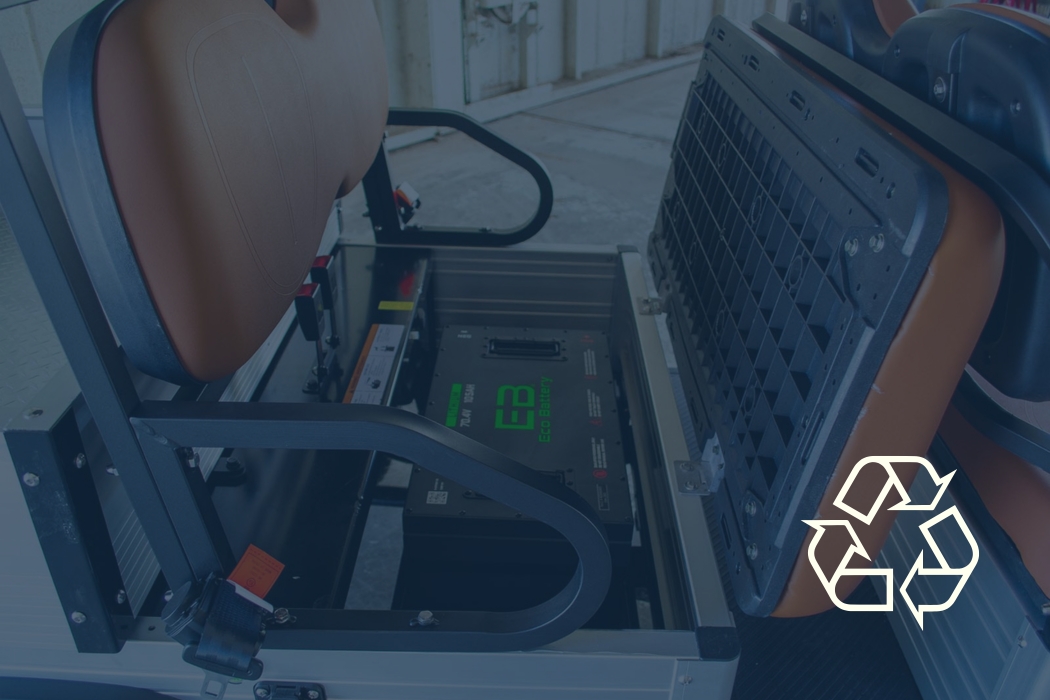
Golf cart battery recycling starts with one simple reality: these batteries are heavy, usually lead acid, sometimes lithium, and not something you should throw in the trash. They tend to pile up after fleet replacements, golf course maintenance, community vehicle use, and personal cart upgrades, so the process goes a lot smoother when you know how to identify what you have, choose the right recycling route, prep the batteries safely, and keep the right records for business projects.
Quick Answer: How to Recycle Golf Cart Batteries
Most people fall into one of three routes for golf cart battery recycling:
- battery retailer or take back option when available
- local battery drop off or electronics recycling site
- scheduled pickup for business quantities or multi battery loads
If you have one or two batteries, drop off may be manageable. If you have multiple batteries, damaged units, or fleet volume, pickup is usually the cleaner and safer option.
What Counts as a Golf Cart Battery?
Common golf cart battery types
Not every golf cart battery is exactly the same. The most common types include:
- flooded lead acid batteries
- AGM batteries
- gel batteries
- lithium batteries in newer carts
Lead acid is still the most common setup, especially in older carts and larger fleets. Lithium is showing up more often in newer models and upgraded systems.
Why battery type matters
Battery type matters because it changes how the project should be handled. It can affect packaging, transport, storage, and the actual recycling route.
Some batteries are easier to stage and move than others. Some need extra care if they are damaged. Some may fit a simple drop off route, while others are better handled through a more controlled pickup process. The more accurate you are upfront, the fewer problems you create later.
Single battery replacement vs full battery set
There is a big difference between replacing one bad battery and clearing out a full cart battery set.
Sometimes the job is just one failed battery in an otherwise working cart. Sometimes it is a full battery bank replacement. In larger operations, it may be a fleet or facility project with multiple carts being serviced at once. That matters because volume changes the logistics, the labor, and the best recycling option.
Golf Cart Batteries vs Regular Car Batteries
Golf cart batteries are deep cycle batteries
Golf cart batteries are usually deep cycle batteries. That means they are built to deliver steady power over longer periods, not just a quick burst.
They are designed to be discharged and recharged again and again. That is what makes them a fit for carts, utility vehicles, and similar equipment that needs sustained power during use.
Car batteries are built for starting power
Regular car batteries are built for a different job. They are meant to deliver a short burst of power to start the engine, then let the vehicle’s charging system take over.
So while both battery types may look similar at a glance, the construction and use case are different. One is built for sustained cycling. The other is built for starting performance.
Why that matters for recycling
Both types need proper recycling, but golf cart batteries often create a different kind of project. They are commonly handled in sets, they can be very heavy, and the battery chemistry and format can affect how the load should be prepared.
That is why golf cart battery recycling is usually less about one quick handoff and more about choosing the right route based on battery type, quantity, and condition.
Recycling Options for Golf Cart Batteries
Option 1: Battery retailer or take back option
This option fits best when you have a small number of batteries and the seller, installer, or replacement program accepts them back.
It is usually the simplest route for smaller quantities, but it depends on the battery brand, the retailer, or whether you are purchasing replacements through the same source. Not every seller offers it, and not every battery qualifies, so it is worth confirming before you load anything up.
Option 2: Drop off recycling
Drop off recycling is usually best for small quantities. If you are dealing with one or two batteries and can transport them safely, this can be a practical option.
The big thing is confirming acceptance before transport. Not every site takes every battery type, and not every drop off location is set up for damaged units. Keep batteries upright, stable, and secure during transport so they do not tip, shift, or create a mess on the way there.
Option 3: Scheduled pickup
Scheduled pickup is usually the best fit for larger or more operationally messy projects. This is especially true for:
- golf courses
- country clubs
- maintenance facilities
- apartment or resort vehicle fleets
- schools, campuses, or business properties using carts
Pickup reduces headaches for a few simple reasons. There is less manual lifting risk, the logistics are easier to coordinate, the documentation is usually cleaner, and the whole process works better when you have multiple batteries or multiple sites involved.
Once the project gets bigger than a couple of batteries, pickup usually stops being a convenience and starts being the smarter way to handle it.
How to Prepare Golf Cart Batteries for Recycling
Step 1: Identify the battery type
Start by figuring out exactly what kind of battery you have. Most golf cart batteries are lead acid, but some newer systems use lithium. It also helps to know whether the battery is flooded or sealed, because that can affect handling, storage, and the recycling route.
If possible, note the brand and model too. That makes it easier to confirm the battery type and avoid confusion if you are dealing with a mixed load or coordinating a larger pickup.
Step 2: Count and inspect the batteries
Next, count how many batteries you actually have. Make note of whether it is a full set from one cart, a partial replacement job, or a mixed load from multiple carts or sites.
As you go, inspect each battery and flag anything cracked, leaking, swollen, or otherwise damaged. Do not treat damaged batteries like normal units. They need to be identified early so the project can be routed the right way from the start.
Step 3: Stage them safely
Once counted, stage the batteries in a way that keeps them upright, stable, and protected from tipping. A rushed pile in the corner is how loads become harder to move and more dangerous to handle.
Keep them away from metal objects, busy walkways, forklifts, and traffic areas where they can get bumped, scraped, or knocked over. The goal is simple: keep the load controlled before it ever leaves the site.
Step 4: Prevent terminal contact
Battery terminals should not be left exposed in a way that creates shorting risk. If needed, isolate the terminals so they do not come into contact with metal tools, other batteries, or loose materials during staging and transport.
This is one of those small steps that prevents bigger problems. The batteries may look inactive, but they still need to be handled like stored energy is present.
Step 5: Label by type and condition
Before the batteries move, label the load clearly. Separate intact batteries from damaged ones and note the battery type when useful.
For larger projects, it also helps to mark site quantity and any basic condition notes. That keeps the pickup cleaner, reduces confusion, and makes downstream handling a lot easier.
Safety Basics for Golf Cart Battery Handling
Why these batteries need controlled handling
Golf cart batteries need controlled handling because they are heavy, can pose acid exposure risk in some cases, and carry shorting risk if handled carelessly. They are not casual scrap.
Damaged batteries can also become a bigger problem fast. A cracked case, leak, or impact issue can turn a manageable load into a mess if it is ignored or mixed in with everything else.
Basic rules to follow
Do not throw golf cart batteries in the trash. Do not stack them loosely. Do not mix damaged and intact batteries together. And do not wait until the last minute to figure out the logistics.
Most battery handling problems are not complicated. They happen because people rush, guess, or leave the plan too late. A little organization upfront prevents most of the avoidable issues.
Extra caution with damaged batteries
If a battery is damaged, isolate it early and keep it separate from the rest of the load. Do not let it sit mixed in with intact units where it can be missed or mishandled later.
Damaged battery loads should be routed with controlled handling in mind. That is especially important for leaking units, swollen batteries, or mixed condition projects where a standard drop off approach may not be the right fit.
When Pickup is the Best Option
Full battery bank replacements
If you are replacing an entire golf cart battery set, pickup usually makes more sense than trying to move everything yourself. Full battery bank jobs get heavy fast, and they are easier to manage when the removal plan is built around the actual volume.
Golf course or facility fleet turnover
Fleet turnover projects are one of the clearest cases for pickup. When multiple carts are being serviced at once, you want a cleaner process for staging, loading, and documentation rather than piecing it together battery by battery.
Resort, campus, or HOA cart programs
Resorts, campuses, HOAs, and similar properties often use multiple carts across one site or several nearby locations. That creates more moving parts, more batteries, and more chances for things to get disorganized. Pickup helps simplify the project and keep it repeatable.
Damaged or leaking battery loads
If any of the batteries are leaking or otherwise damaged, pickup is usually the safer option. These are not the kinds of loads you want to handle casually or squeeze into a basic drop off plan without thinking through condition and transport.
Multi-site battery collection projects
When batteries are coming from more than one site, pickup becomes even more useful. It helps centralize the process, reduce confusion, and keep records cleaner across the full project.
Rules and Documentation: What to Keep
Why documentation matters
Documentation matters because it supports internal records, vendor tracking, sustainability reporting, and plain old operational accountability. It is how you keep the project organized and how you answer questions later if someone asks what was removed, when it left, and where it went.
This does not need to become overly complicated, a certificate of recycling will have everything you need for documentation.
What Happens After Golf Cart Battery Collection
After collection, the batteries are usually consolidated based on chemistry and condition. That matters because not every battery load follows the exact same downstream path.
From there, the batteries move through the proper battery recycling channels. Lead, plastic, and other reusable materials may be separated and routed appropriately, while damaged or mixed condition loads may require more controlled processing. The main point is that the load is sorted and handled based on what it actually is, not treated like one generic waste stream.
Frequently Asked Questions About Golf Cart Battery Recycling
Can golf cart batteries be recycled?
Yes. Golf cart batteries can be recycled, but the route depends on the battery type, condition, and quantity.
Can golf cart batteries go in the trash?
No. Golf cart batteries should not go in the trash.
Are golf cart batteries lead acid?
Many are. Flooded lead acid batteries are very common in golf carts, though some newer carts use lithium batteries.
Can I recycle just one golf cart battery?
Yes. A single battery can usually be recycled, though the best route depends on the battery type and what local options are available.
Where can I take old golf cart batteries?
Old golf cart batteries may be accepted through battery retailers, local drop off programs, or electronics recycling companies that handle battery recycling. Always confirm acceptance before transport.
Is pickup available for golf cart battery recycling?
Yes. Pickup is often the best fit for business quantities, fleet projects, damaged batteries, or multi site loads.
How should I store golf cart batteries before recycling?
Keep them upright, stable, and away from traffic areas and metal objects. Damaged batteries should be kept separate from intact ones.
What should I do with a leaking golf cart battery?
Isolate it right away, keep it separate, and make sure the project is handled with controlled routing in mind. Do not mix it into a general battery load and hope for the best.
Are lithium golf cart batteries recycled differently?
They can be. Lithium batteries may require different handling and routing than lead acid batteries, which is why identifying the battery type early matters.
Conclusion
Golf cart battery recycling gets a lot easier when you keep the process simple: identify what you have, separate batteries by condition, choose the right recycling route, prep the load safely, and keep clean records for larger projects.
If you are dealing with multiple golf cart batteries, a fleet changeout, or a larger business pickup, EACR Inc. can help coordinate a practical recycling solution with pickup support and documentation that keeps the project organized.