The Hidden Afterlife of Discarded Electronics
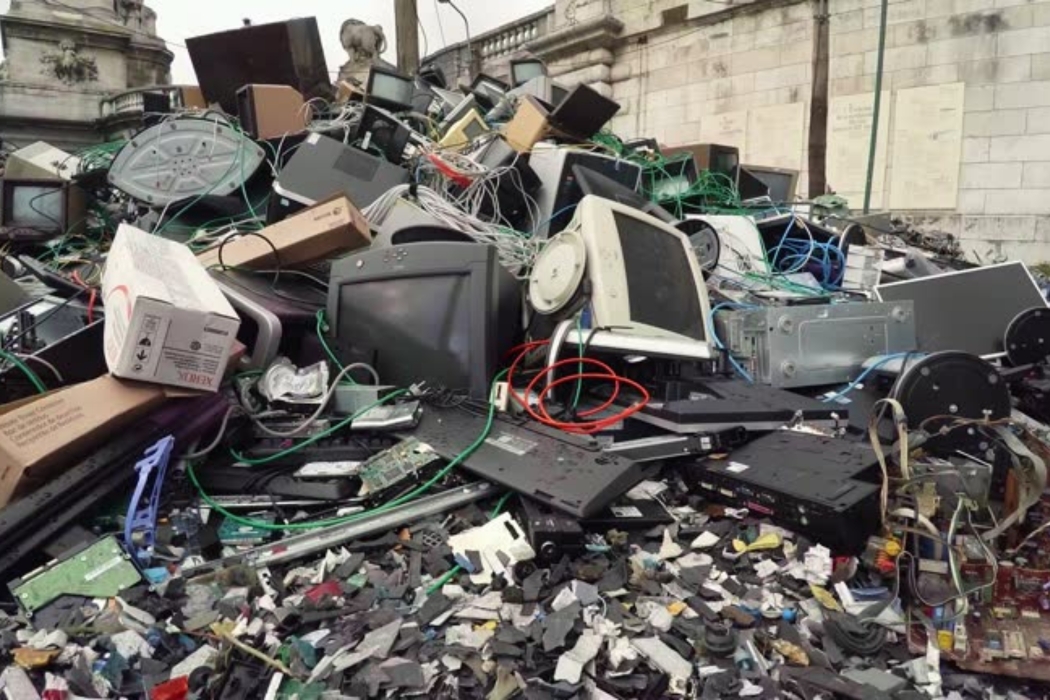
Electronics are replaced faster than almost any other consumer product, yet most people never see what happens after they’re thrown away. There’s a common assumption that landfills are sealed, controlled, and safe—but that assumption doesn’t hold up for electronic waste.
Once electronics are buried, they begin a slow, toxic chain reaction. This guide breaks down, step by step, what actually happens to electronics in landfills and how that process affects soil, water, air, ecosystems, and human health.
The Scale of the E-Waste Problem
E-Waste is One of the Fastest-Growing Waste Streams on Earth
Electronic waste is growing faster than formal recycling systems can keep up. In 2022 alone, 62 million tonnes of e-waste were generated worldwide. That number is projected to reach 82 million tonnes by 2030, yet only 22.3% of e-waste is documented as properly collected and recycled (Unitar, 2024).
This gap means tens of millions of tonnes of electronics end up landfilled, stockpiled, or improperly handled every year.
Why So Much E-Waste Ends Up in Landfills
Several factors push electronics into landfills instead of proper recycling streams. Many regions lack consistent electronics recycling laws, leaving disposal up to individuals and businesses. Convenience often wins, and misinformation leads people to believe small electronics don’t matter.
Limited access to licensed recycling programs worsen the problem, allowing large volumes of e-waste to bypass safe processing entirely.
How Modern Landfills Actually Work
Landfill Construction Basics
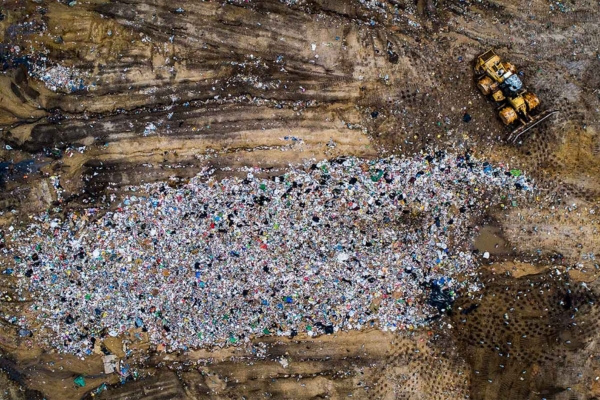
Modern landfills are built in layers. A clay base is installed first, followed by thick plastic liners designed to slow leakage. Leachate collection pipes run along the bottom to capture contaminated liquid. Trash is compacted in layers, covered with soil, and stacked until the landfill can reach well over 100 feet tall. Methane ventilation systems are added to reduce fire and explosion risks.
Why Landfills Were Never Designed for Electronics
Landfills were designed for household trash and organic waste, not electronics. They are not engineered to safely contain heavy metals, battery chemicals, or electronic components over decades. Plastic liners degrade over time, and leachate systems only react after contamination occurs—they don’t prevent it. Once electronics enter this environment, containment becomes a long-term gamble.
What Happens the Moment Electronics Enter a Landfill
Physical Breakdown Begins Immediately
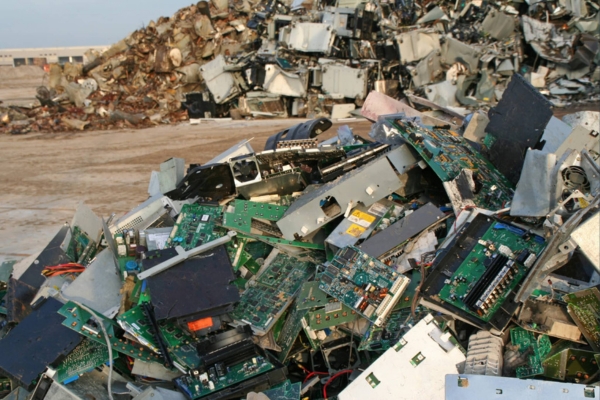
As electronics are dumped and compacted, physical damage starts right away. Casings crack under pressure, batteries rupture, and circuit boards fracture. Protective housings that once isolated internal components quickly fail.
This damage exposes sensitive materials to heat, moisture, and mechanical stress far beyond what the devices were designed to handle.
Chemical Exposure Starts Early
Landfills are warm, wet, and oxygen-rich environments—exactly what accelerates chemical breakdown. Moisture seeps into damaged electronics, exposing internal components to air and water. As this happens, toxic substances begin to leach out and migrate into surrounding waste and soil.
Toxic Materials Released by Electronics in Landfills
Heavy Metals That Leach Into Soil and Water
Electronics contain multiple heavy metals that are released once devices degrade, including lead, mercury, arsenic, cadmium, and beryllium. These substances do not stay contained within the device once structural damage occurs.
Why These Materials Are Dangerous
Heavy metals do not biodegrade. Instead, they accumulate in soil over time, slowly spreading outward from landfill sites. From there, they enter groundwater systems and move into rivers, lakes, crops, and wildlife. As they travel through the food chain, concentrations increase, raising long-term risks for ecosystems and human health alike.
Leachate: How Landfills Spread Pollution
What is Leachate?
Leachate is the liquid that forms when rainwater filters through layers of waste inside a landfill. As it moves downward, it absorbs whatever it touches—chemicals, metals, and broken-down materials—creating a toxic runoff that must be collected and treated.
How Electronics Contaminate Leachate
When electronics break apart underground, heavy metals dissolve directly into leachate. Battery chemicals migrate quickly through moisture, and plastics fragment into microplastics that easily enter water systems. Once electronics are damaged, there’s nothing stopping these substances from mixing into landfill runoff.
Why Water Treatment Is Not a Complete Solution
Water treatment plants were never designed to remove every toxin released by electronic waste. Filtration can reduce some contaminants, but it does not eliminate them entirely. Residual toxins still pass through treatment systems and enter rivers, lakes, and groundwater, where they continue to affect ecosystems.
Fire, Explosion, and Safety Risks Inside Landfills
Lithium-Ion Batteries as Ignition Sources
Lithium-ion batteries are one of the most dangerous items in landfills. When crushed or punctured, they can enter thermal runaway—an uncontrollable chain reaction that generates intense heat. These fires often spread underground, making them difficult to detect and nearly impossible to extinguish quickly.
Growing Waste-Handling Fire Risk
Electronics are now a leading cause of landfill and waste facility fires. When these fires burn, they release toxic smoke into surrounding communities and cause long-term air quality damage. Many fires smolder for weeks beneath the surface before they’re fully contained.
What Happens When Electronics Are Burned or Incinerated
Toxic Air Emissions
Burning electronics releases a cocktail of dangerous substances into the air, including lead, mercury vapor, dioxins, and flame retardants. These compounds don’t disappear—they disperse across wide areas through smoke and ash.
Health Impacts of Airborne E-Waste Pollution
Exposure to airborne e-waste pollution has been linked to respiratory problems, neurological damage, increased cancer risk, and developmental harm. Communities near incinerators or landfill fires often experience repeated exposure over long periods.
Smartphones: A High-Impact Example of E-Waste Damage
Billions of Phones Becoming Toxic Waste
In a single year, roughly 5 billion smartphones were discarded (BBC, 2022). Many of these devices ended up in landfills, even though they contain hazardous materials like lead, mercury, and arsenic.
Environmental Chain Reaction
Once discarded phones break down, contamination follows a predictable path: soil to water, water to fish, and fish to humans. Mercury bioaccumulates as it moves up the food chain, leading to persistent contamination that’s extremely difficult to reverse.
Carbon Cost of Discarded Phones
The environmental damage doesn’t stop at toxicity. Smartphones carry a heavy carbon footprint, largely from manufacturing and shipping. When phones are discarded instead of recycled, new raw materials must be extracted and processed again—repeating the emissions cycle. Recycling reduces this repeat extraction and manufacturing demand. Check out our complete guide on the environmental impact of cell phones here.
The Environmental Impact of E-Waste on Ecosystems
Soil Contamination
Heavy metals from e-waste build up in soil over time. This contamination reduces soil fertility, damages microorganisms, and causes long-term land degradation that can last for decades.
Groundwater and Aquatic Damage
As toxins migrate through soil, they reach groundwater, rivers, and lakes. Aquatic species absorb these contaminants, leading to bioaccumulation in fish and wildlife. Humans are then exposed through drinking water and food sources.
The Global Cost of Improper E-Waste Disposal
Squandered Reusable Resources
Each year, billions of dollars in reusable materials are lost when electronics are landfilled instead of recycled. Less than 1% of rare earth demand is met through recycling, forcing increased mining activity that damages fragile ecosystems.
Environmental Inequity
The impacts of improper e-waste disposal are not evenly distributed. Pollution often affects vulnerable communities the most, while improper material handling shifts harm rather than eliminate it. Responsible recycling addresses the problem at its source instead of passing the damage elsewhere.
Why Recycling Electronics Prevents Landfill Damage
What Happens When Electronics Are Recycled Instead
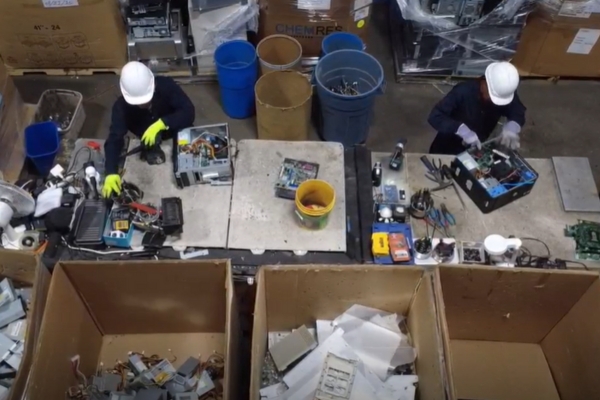
When electronics are recycled properly, they don’t get buried and forgotten. They’re taken apart in controlled environments where materials are separated intentionally. Metals, plastics, and components are routed for reuse, and hazardous elements are handled safely. This process reduces the need to extract raw materials again, which lowers environmental damage long before manufacturing even begins.
Environmental Benefits of Proper Recycling
Recycling electronics prevents toxic substances from ever entering soil and water systems. It reduces greenhouse gas emissions tied to mining and manufacturing, protects workers and nearby communities from exposure, and keeps hazardous materials out of landfills where they cause long-term harm.
Common Misconceptions About Electronics Disposal
“Landfills Are Lined, So It’s Safe”
Landfill liners slow contamination, but they don’t stop it. Liners degrade over time, and leachate systems react to pollution after it forms—they don’t prevent it.
“Small Electronics Don’t Matter”
Small devices add up fast. Phones, cables, batteries, and accessories make up a massive portion of landfill fires, toxic runoff, and heavy metal release.
“Water Treatment Removes All Toxins”
Water treatment reduces contamination, but it does not eliminate all e-waste toxins. Many heavy metals and chemical compounds pass through treatment systems and re-enter the environment.
“Recycling Is Just About Convenience”
Recycling is about prevention. It stops pollution at the source, reduces long-term environmental damage, and protects public health before harm occurs.
How Individuals and Businesses Can Prevent E-Waste Landfilling
What Not to Do
Throwing electronics in the trash guarantees environmental exposure. Storing devices indefinitely increases the risk of improper disposal later. Using unlicensed disposal services shifts liability without reducing harm.
Responsible Next Steps
Use licensed electronics recyclers that follow proper handling protocols. Separate batteries whenever possible. Recycle devices during upgrades, not years later when they’ve already become forgotten waste.
Conclusion: What Happens in a Landfill Doesn’t Stay in a Landfill
Electronics don’t disappear after disposal—they change form. Inside landfills, devices break down into long-term environmental hazards that contaminate soil, water, and air. Proper recycling prevents that damage before it starts. Every device diverted from a landfill protects ecosystems, communities, and human health.
Keep Electronics Out of Landfills
Contact EACR Inc. to safely recycle devices and prevent long-term environmental damage.