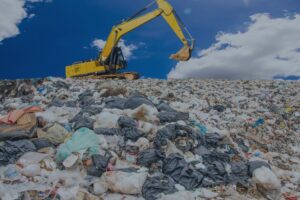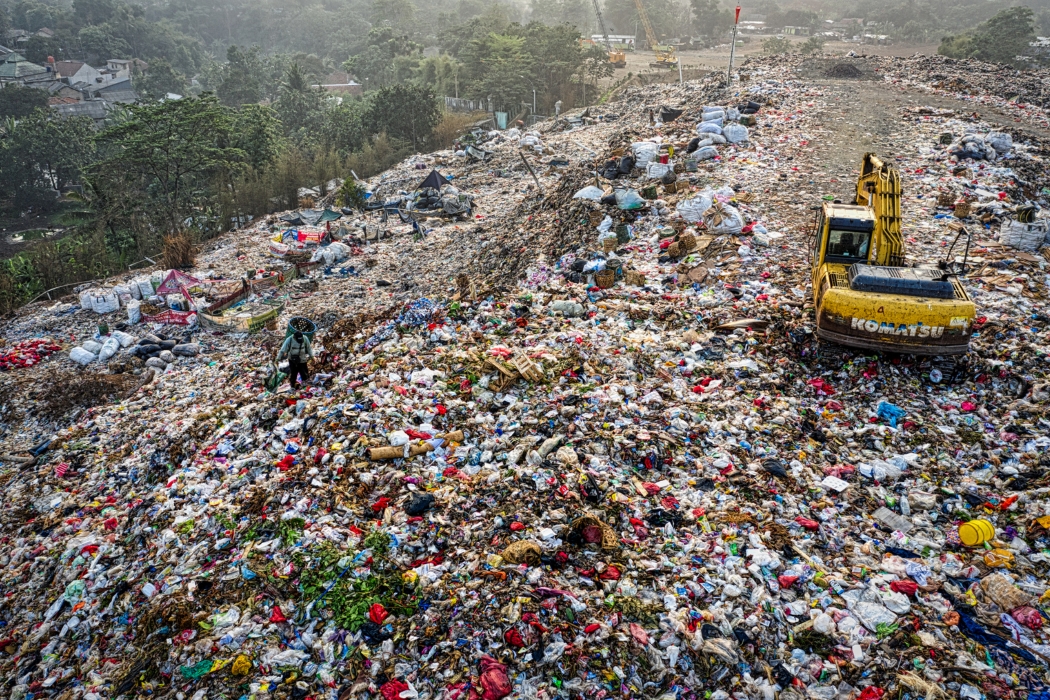
Landfills were created to contain waste safely and protect nearby soil and groundwater. In theory, they serve as a controlled way to store trash without contaminating the environment. In practice, however, landfills don’t make waste disappear—they only hide it.
Inside these massive sites, waste piles up with very little oxygen or moisture, meaning almost nothing decomposes the way it should. A plastic bottle, food wrapper, or even a newspaper can remain intact for decades—or even centuries. The trash doesn’t break down; it just sits there, slowly releasing toxins and greenhouse gases into the air.
Landfills are now the third-largest source of human-caused methane emissions, one of the most potent greenhouse gases contributing to climate change. This methane, produced by decomposing organic waste, traps heat in the atmosphere at a rate far greater than carbon dioxide.
The real solution isn’t simply building more landfills—it’s reducing what goes into them. Prevention, not containment, is key. Every time we recycle, reuse, or buy less, we’re keeping materials out of the ground and giving them a second life.
1. Reduce Electronic Waste (E-Waste)
E-waste—discarded electronics like phones, laptops, and tablets—is one of the fastest-growing waste streams in the world. These devices contain reusable metals such as copper, and lithium, but also toxic substances like lead and mercury. When dumped in landfills, they leach harmful chemicals into the soil and water, posing long-term environmental and health risks.
The responsible solution is simple: partner with electronics recyclers like EACR Inc. Our team ensures electronics are properly recycled and never sent to landfills. This process not only prevents pollution but also helps recover reusable resources that can be reused in new products.
What You Can Do
- Donate or trade in old electronics instead of tossing them out.
- Recycle phones, laptops, and batteries through local or company-sponsored drop-off programs.
- Buy refurbished or pre-owned devices to support the circular economy and reduce demand for new materials.
2. Cut Down on Plastic Waste
Plastic pollution is one of the biggest threats to our environment—and much of it ends up buried in landfills. Items like plastic bottles, shopping bags, and packaging materials take hundreds to thousands of years to decompose, if they ever do at all. In that time, they can release toxic chemicals into surrounding soil and groundwater, impacting both wildlife and human health.
Unlike organic materials, plastic doesn’t truly “break down”; it breaks apart—forming microplastics that contaminate ecosystems and even make their way into our food and water supply.
Simple Ways to Reduce Plastic Use
- Switch to reusables: Use refillable water bottles, grocery bags, and food containers.
- Buy products with minimal or biodegradable packaging: Choose brands that prioritize eco-friendly materials.
- Support local recycling programs: Participate in or advocate for initiatives that accept hard-to-recycle plastics in your community.
By being more conscious of plastic use, we can drastically reduce how much ends up in landfills—and prevent pollution at its source.
3. Recycle Smarter, Not Harder
Recycling is one of the easiest ways to cut waste, but it only works when done correctly. Many people don’t realize that not all recyclable items are accepted everywhere, and contamination—like greasy pizza boxes or unwashed containers—can cause entire batches to be rejected and sent straight to landfills.
The key is to recycle smarter, not just more. Start by checking your local recycling guidelines to understand what can and can’t go in the bin. Always rinse containers and remove caps or labels when required.
Companies like EACR Inc. take this a step further through zero-landfill recycling—ensuring every recyclable item is processed, reused, or safely repurposed rather than dumped.
By improving how we recycle at home and in business, we can keep reusable materials in circulation and dramatically reduce the amount of waste buried each year.
4. Buy Less and Choose Better
We live in a culture of constant upgrades—new phones, new clothes, new everything. But every unnecessary purchase eventually becomes trash. Overconsumption fuels the landfill crisis, and most of what we buy isn’t built to last. The best way to reduce waste is simple: buy less and buy smarter.
When you do shop, look for products that are durable, repairable, and recyclable. Choose appliances that can be fixed instead of replaced, and invest in items made from sustainable materials. These choices don’t just save you money—they slow the stream of waste headed for landfills.
Small Changes That Make a Big Impact
- Visit secondhand shops or online resale marketplaces instead of buying new.
- Join clothing swaps or local community exchanges to give gently used items a second life.
- Support repair cafés or DIY workshops that help you restore products instead of throwing them away.
Every mindful purchase reduces demand for mass production, helping preserve resources and cut pollution at the source.
5. Organize or Join a Community Recycling Event
Individual change matters, but community action multiplies impact. Local cleanup efforts and recycling drives help keep neighborhoods clean while preventing waste from ending up in landfills.
Partner with friends, schools, or local organizations to host a neighborhood recycling event. You don’t need a huge operation—just a collection point, a few volunteers, and a plan to deliver materials to a licensed recycler.
EACR Inc. regularly partners with schools and municipalities across the U.S. to host electronics recycling events. These programs allow residents to drop off old computers, monitors, batteries, and other devices for responsible processing.
Encourage others to do the same this Earth Day: gather what you don’t need and recycle it properly. A small effort from each household can divert thousands of pounds of waste from landfills each year.
The Earth Day Takeaway
Protecting the planet doesn’t require perfection—it requires participation. Every small action, from reusing containers to recycling e-waste, makes a measurable difference.
If each person commits to one new sustainable habit, the ripple effect can be enormous. Whether you’re buying less, recycling smarter, or joining a cleanup drive, you’re helping move the world toward a cleaner, more sustainable future.
This Earth Day, let’s focus less on burying waste—and more on building a sustainable future.