Every year, millions of cell phones are replaced, upgraded, or tossed aside. This constant turnover fuels one of the fastest-growing waste streams in the world: electronic waste (e-waste). While upgrading your phone might feel routine, what happens to the old one matters a lot more than most people realize.
When cell phones are thrown away improperly, they can release toxic metals and plastics into landfills. Lithium, lead, mercury, and flame-retardant plastics all have the potential to contaminate soil and water. On top of that, every phone contains materials that are not only recyclable but highly reusable.
Recycling keeps these harmful substances out of the environment while recovering reusable resources like copper, gold, and cobalt. Those same materials can go right back into making new phones, batteries, or even electric vehicles. It’s a win-win: reducing pollution and conserving resources at the same time.
If you have old phones sitting in drawers or storage, don’t let them go to waste. EACR Inc. offers trusted cell phone recycling services that safely handle every component while ensuring materials are recovered responsibly.
Breaking Down the Inside of a Phone
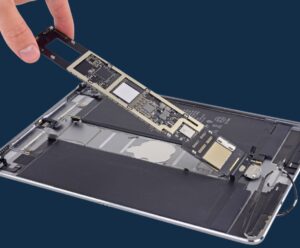
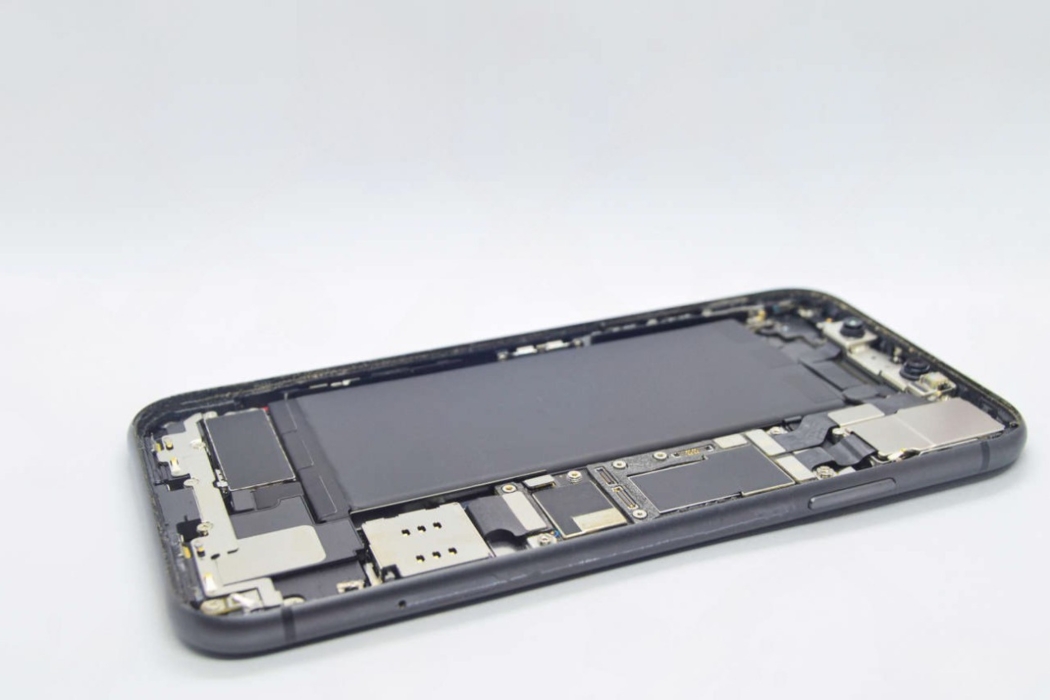
Smartphones may look sleek and simple on the outside, but inside they’re a collection of highly engineered parts. Beneath the glass screen sits a maze of tiny circuits, sensors, wires, magnets, and chips—all packed tightly together.
These components include:
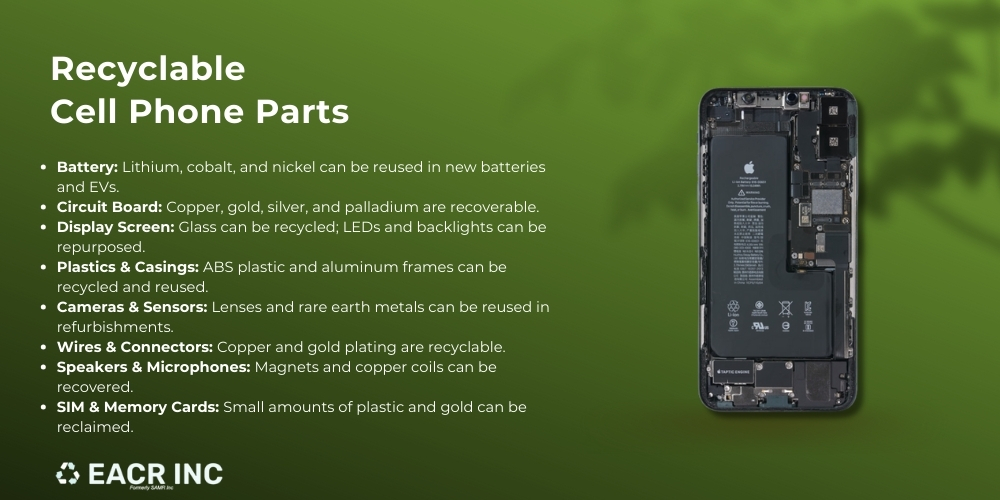
- Lithium-ion batteries that power the device.
- Circuit boards containing the processor, memory, and connectors.
- Display screens with layers of glass, LEDs, and rare elements.
- Plastic and metal casings that hold everything in place.
- Cameras, speakers, and sensors that make the phone functional.
Each one of these pieces can be recycled, repurposed, or reused in some way. Understanding how helps explain why cell phone recycling is so important.
Recyclable and Reusable Cell Phone Components
Batteries
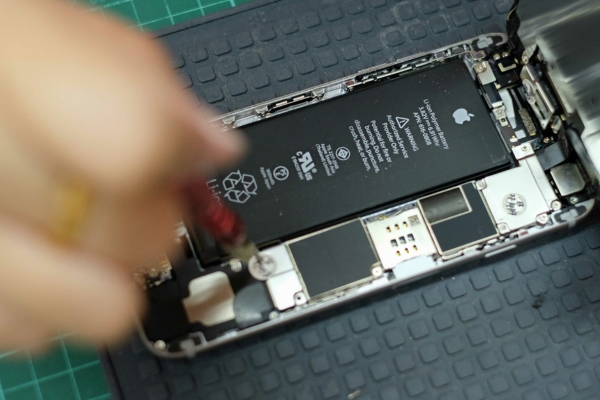
Every smartphone runs on a lithium-ion battery, which contains cobalt, nickel, and lithium—metals that are finite. Recycling prevents these batteries from ending up in landfills, where they can leak chemicals or even cause dangerous fires.
When recycled properly, the metals inside can be recovered and used again to manufacture new batteries, electric vehicles, and future electronics. That means today’s discarded phone can help power tomorrow’s technology.
Circuit Boards (Motherboard + Chips)
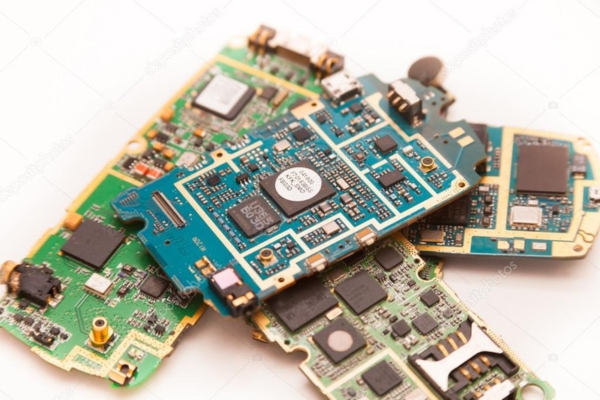
At the heart of every phone is the circuit board, a complex piece of technology that connects all the parts together. These boards are rich in reusable materials, including copper, gold, silver, and palladium—metals that are essential for electronics manufacturing.
Recycling extracts these metals so they can be reused in new products, reducing the need for destructive mining. In some cases, processors and memory chips can even be refurbished and used again, giving them a second life instead of being destroyed.
Display Screens (LCD / OLED)
Your phone’s display is more than just a sheet of glass. It’s a layered mix of glass, and plastics. The outer glass can be recycled, while the backlight units and LEDs can often be repurposed.
The challenge is that modern displays are tightly fused together, which makes separating materials harder. Still, specialized recycling facilities are able to recover these components so they don’t end up in landfills.
Plastics and Casings
Most phone housings are made from ABS plastic or polycarbonate, designed to be durable and lightweight. These plastics can be melted down and reused in new consumer goods, from car parts to office supplies.
In higher-end models, you’ll often find aluminum frames, which are endlessly recyclable and can be reused without losing their quality.
Cameras and Sensors
The lenses and sensors inside a smartphone can often be reused in refurbished devices. Beyond reuse, they also contain metals and earth elements that can be recovered during the recycling process.
They may be small, but when millions of devices are recycled, these components make a big impact.
Wires, Cables, and Connectors
Every phone contains copper wires and connectors that transmit both power and data. Copper is highly recyclable and can be reused repeatedly without degrading.
Connectors and charging ports are especially important, since they often include gold plating that can be reclaimed during recycling.
Speakers and Microphones
Inside speakers and microphones are magnets, copper coils, and membranes.
Recovering and reusing these components reduces the need for mining new rare earth materials.
SIM Cards and Memory Cards
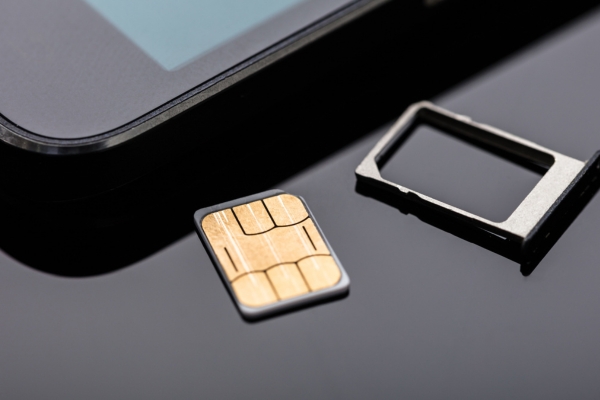
Even small items like SIM and memory cards are part of the recycling stream. They contain recoverable plastics and traces of gold, which can be reclaimed through proper e-waste recycling.
How You Can Recycle Your Cell Phone Responsibly
Recycling your phone isn’t complicated—it just takes a little know-how. Here are the best ways to make sure your old device gets handled the right way:
- Drop it off at electronics recycling centers that are equipped to safely process phones.
- Use take-back programs offered by phone manufacturers and carriers, many of which provide store credit or trade-in deals.
- Donate to refurbishment programs, where working phones and parts are reused to help schools, nonprofits, or lower-income communities.
- Work with licensed e-waste recyclers who follow strict processes to recover materials and handle toxic components responsibly.
By choosing one of these options, you’re helping to keep phones out of landfills and putting their parts back into circulation.
Final Thoughts – Every Part Counts
When it comes to cell phones, almost every component has recycling potential. From batteries and screens to chips and connectors, each part can be reused, repurposed, or broken down into materials that power the next generation of technology.
Recycling does more than keep electronics out of landfills—it preserves resources, reduces pollution, and supports a healthier circular economy.
So the next time you upgrade your phone, don’t toss the old one in a drawer or the trash. Choose cell phone recycling with EACR Inc. and make sure every part is handled responsibly.