What Is an Alkaline Battery?
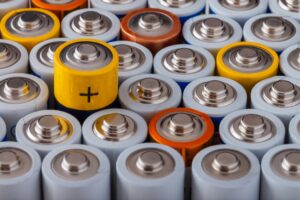
Alkaline battery recycling starts with understanding what these batteries are and why they’re everywhere. Alkaline batteries are the most common household battery type—compact, affordable, and dependable.
They work using a chemical reaction between zinc and manganese dioxide, with potassium hydroxide as the electrolyte. This setup delivers a steady flow of power until the materials are spent. Unlike lithium or rechargeable batteries, alkaline batteries are typically single-use and not designed to be recharged.
Because they contain fewer hazardous materials than lithium batteries, they’re sometimes considered “safe” for disposal. But that doesn’t mean they should be tossed in the trash. Many components can—and should—be recovered through proper recycling.

Common Uses of Alkaline Batteries
You’ve likely used alkaline batteries this week without even thinking about it. They’re found in:
- Household electronics like remote controls, flashlights, and wall clocks
- Toys, handheld devices, and portable fans
- Radios, digital thermometers, game controllers, and more
Their wide use makes proper disposal a key part of reducing electronic waste.
Why Alkaline Batteries Are Treated Differently
Alkaline batteries are non-rechargeable, which sets them apart from lithium and other chemistries that are often part of larger recycling programs.
While they contain fewer hazardous materials, they still include zinc, steel, and manganese—all recoverable resources that shouldn’t go to waste. The risk of environmental impact is lower, but it’s not zero.
Disposal rules also vary widely. Some states allow small quantities in household trash, while others require alkaline battery recycling through special programs. That’s why it’s important to work with a recycling provider who understands the local laws—and can process them properly.
Can Alkaline Batteries Be Recycled?
Yes—alkaline battery recycling is absolutely possible, but it’s not always simple. Depending on where you live, options may be limited. Most municipal programs don’t allow them in curbside recycling bins, and many facilities aren’t equipped to process them correctly.
Instead, alkaline batteries need to be handled through specialized recycling processes that separate and recover their usable materials. This ensures safer disposal and gives manufacturers access to reusable metals already in circulation.
What Materials Are Recovered
When alkaline batteries are properly recycled, key components like zinc, manganese, and steel are recovered. In some cases, even paper and plastic casings can be reused.
These materials don’t just vanish—they go right back into manufacturing, helping reduce demand for newly mined resources. That’s a win for industry and the environment.
Environmental Impact of Improper Disposal
Some people assume alkaline batteries are “safe enough” to toss in the trash, but alkaline battery recycling helps avoid issues that can still arise from improper disposal.
- Metals can leach into soil or water over time in landfills.
- Alkaline batteries take decades to decompose.
- Usable materials are wasted when they’re not recovered.
Even if they don’t explode like lithium batteries, alkaline batteries still contribute to long-term environmental problems when discarded carelessly.
The Alkaline Battery Recycling Process
Alkaline battery recycling isn’t just a toss-and-go operation. It involves multiple steps to ensure safety, efficiency, and maximum material recovery.
1. Collection
The process starts with getting used alkaline batteries into the hands of qualified recyclers.
- Individuals can drop off batteries at local electronics retailers, designated collection events, or municipal recycling centers.
- Businesses and institutions can work with licensed electronic recycling companies like EACR Inc. to schedule pickups or request secure drop-off containers.
2. Sorting
Once collected, batteries are sorted by chemistry to separate alkaline batteries from lithium, rechargeable, and specialty types.
- Proper sorting prevents contamination and ensures each type of battery is processed using the correct method.
- Damaged batteries are flagged for extra care to avoid leaks or material exposure.
3. Shredding & Mechanical Separation
Sorted alkaline batteries are sent through shredding systems designed to break them down safely.
- The shredding process reduces the batteries to smaller components.
- Materials such as steel casings, zinc, and manganese compounds are mechanically separated using screens, magnets, and density sorting equipment.
4. Material Recovery
After separation, recoverable materials are refined and sent back into manufacturing supply chains.
- Zinc and manganese are reused in agricultural products, industrial processes, or new battery production.
- Steel is melted and repurposed for construction or consumer goods.
Who Recycles Alkaline Batteries?

Alkaline battery recycling should always be handled by qualified professionals. While these batteries are less hazardous than lithium types, improper disposal still carries environmental and compliance risks.
Licensed Electronics Recycling Companies
Not every recycling provider is equipped to manage alkaline batteries. It’s important to work with a licensed electronics recycler that understands how to handle batteries safely and responsibly.
Look for companies with:
- A clear track record in electronics recycling
- Safe handling protocols and transparent disposal practices
- The ability to sort, process, and document batteries properly
EACR Inc.
EACR Inc. provides professional battery recycling across the Northeast. We serve businesses, schools, hospitals, and municipalities throughout New Jersey, New York, Pennsylvania, Maryland, Delaware, Washington DC, Virginia, Massachusetts, Vermont, New Hampshire, Rhode Island, Connecticut, and Maine.
With scheduled pickups, secure e-waste drop-off containers, and full documentation, we make it easy to dispose of batteries safely—and stay compliant every step of the way.
Why You Should Recycle Alkaline Batteries
Alkaline battery recycling isn’t just about compliance—it’s about protecting the planet and supporting a more sustainable future.
Environmental Benefits
Throwing alkaline batteries in the trash may seem harmless, but over time, it adds up. Recycling helps:
- Prevent metal waste from leaching into soil and water
- Reduce the need for new resource extraction
- Cut down on the long decomposition timeline of non-recycled batteries
Supports a Circular Economy
Recycled materials like zinc and steel are reintroduced into the supply chain, where they’re used to make new products. This reduces our reliance on raw mining and helps industries operate more sustainably.
Corporate and Community Responsibility
Whether you’re managing a home, business, or public organization, battery recycling shows you care about your impact.
- Promotes eco-conscious habits
- Strengthens local sustainability initiatives
- Helps meet ESG (Environmental, Social, Governance) and green reporting goals
How to Recycle Alkaline Batteries Responsibly
Getting rid of batteries the right way isn’t difficult—but it does require a little planning.
For Individuals
If you have used batteries at home:
- Use local drop-off sites, mail-in programs, or community electronics recycling collection events
- Never throw large quantities of alkaline batteries in the household trash
- Store spent batteries safely in a container until ready for drop-off
For Businesses
Organizations should partner with a trusted recycling company like EACR Inc.
- Request e-waste pickup services, drop-off containers, or bulk recycling trailers
- Receive proper tracking and documentation for compliance
- Ensure all batteries are handled according to best practices
Final Thoughts: Yes, You Can Recycle Alkaline Batteries
Alkaline battery recycling helps reduce landfill waste, recover materials, and protect the environment. Whether you’re a homeowner or a facility manager, taking the extra step to recycle batteries responsibly makes a real difference.
Work with EACR Inc. to get started—and make safe, compliant recycling part of your routine. Contact us today to get started.
Frequently Asked Questions
In some states, yes—but it’s not recommended. While alkaline batteries are less hazardous than lithium batteries, throwing them in the trash contributes to landfill waste and missed recycling opportunities. Many areas offer safer drop-off or mail-in programs.
Yes, alkaline battery recycling is possible and encouraged. Though not all curbside programs accept them, licensed electronics recyclers like EACR Inc. can collect and process them to recover materials.
Alkaline batteries are made up of zinc, manganese dioxide, steel casings, and potassium hydroxide as the electrolyte. Some may also contain paper and plastic components. These materials are recyclable when properly processed.
Improper disposal can lead to long-term waste in landfills. While they’re less toxic than other battery types, metals can still leach into soil and water over time, and batteries take decades to break down.
Store spent batteries in a dry container at room temperature, away from metal objects or direct heat. If you’re collecting a large number, avoid stacking or crushing them. Use a plastic container or a designated battery recycling box.
You can recycle alkaline batteries at EACR Inc, located at 1950 Rutgers University Blvd, Lakewood, NJ 08701.