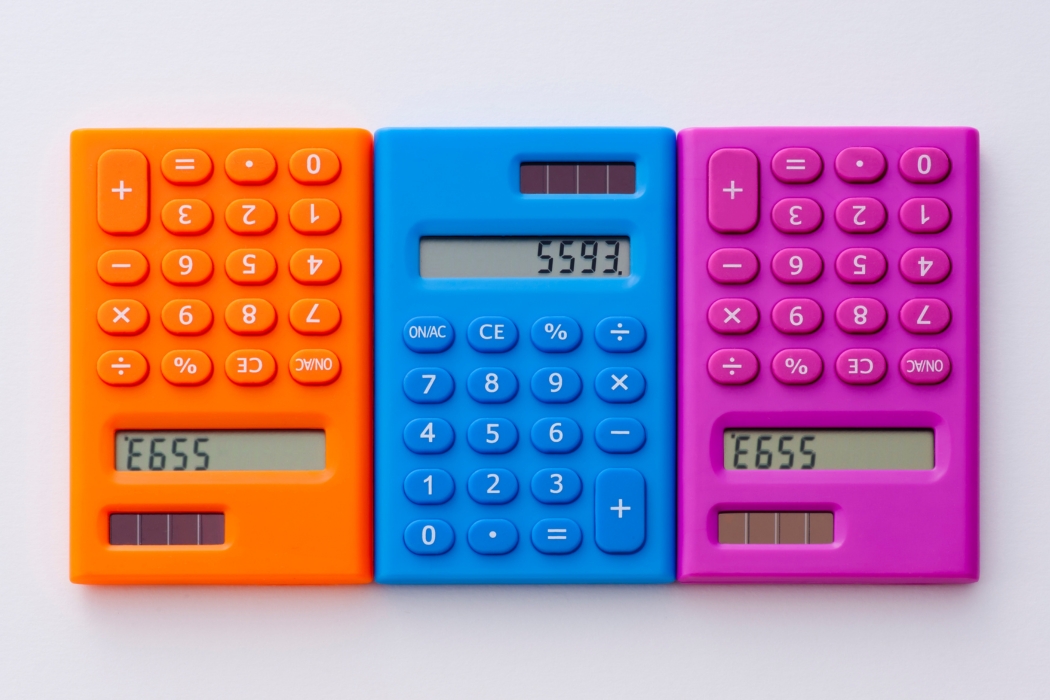
Calculator recycling is the process of safely collecting and reusing parts from old or broken calculators instead of tossing them into the trash. It might seem like these pocket-sized devices don’t add up to much, but millions are thrown away every year, and together they create a surprising amount of e-waste. Recycling matters because calculators contain plastics, metals, and even small batteries that can either be harmful to the environment or recovered for reuse.
At EACR Inc., we provide licensed calculator recycling services across multiple states, making it easy for businesses, schools, and individuals to get rid of their devices responsibly. Our team ensures that electronic components are handled safely while materials are recovered. Whether you prefer to schedule a pickup or drop your calculators off at our Lakewood, NJ facility, we offer convenient options to fit your needs.
Why Recycling Old Calculators Matters
Environmental Risks of Improper Disposal
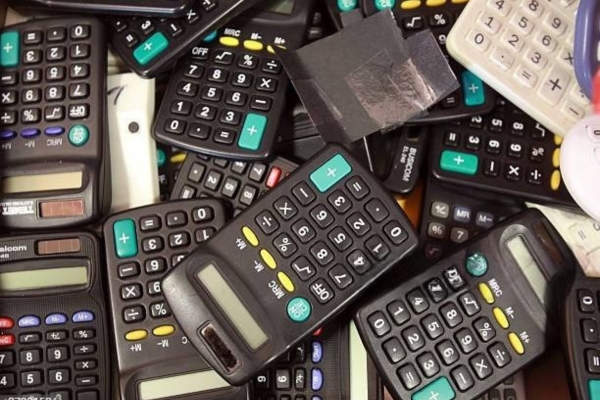
Throwing calculators in the trash may feel harmless, but these devices can cause long-term harm once they end up in landfills. The small button batteries inside can leak corrosive chemicals, circuit boards may release heavy metals, and plastic casings can linger in the environment for centuries. Over time, these pollutants contaminate soil, seep into groundwater, and contribute to the global e-waste problem.
Toxic Components in Calculators
Older and modern calculators alike can contain hazardous materials that require careful processing:
- Mercury in older LCD displays can release toxic vapors if broken.
- Button cell batteries are a common source of heavy metal contamination when not recycled correctly.
- Lead solder used in circuit boards can leach dangerous substances into the environment.
Resource Recovery Opportunities
Beyond the risks, calculators are also a source of reusable materials:
- Plastic casings can be processed into pellets and reused in manufacturing.
- Circuit boards contain copper and other metals that can be recovered.
- Small metal parts from wiring and connections can be recycled and given new life in other products.
Sustainability Benefits
Recycling calculators isn’t just about preventing harm—it actively supports a healthier, more sustainable future:
- Landfill reduction: Keeps millions of small devices from piling up in waste facilities.
- Lower greenhouse gas emissions: Reusing metals and plastics consumes far less energy than producing new raw materials.
- Circular economy support: Recycling ensures old products are reintegrated into the production cycle, minimizing waste and maximizing resource efficiency.
Legal Requirements for Calculator Disposal
Why Calculators Aren’t Accepted in Curbside Trash
If you’ve ever wondered why you can’t just toss a broken calculator into your household trash, it’s because of the materials inside. Most waste companies won’t accept calculators with regular garbage, and even bulk pickup services typically won’t guarantee responsible processing. These devices contain batteries, plastics, and circuit boards that require specialized handling to keep communities safe.
Best Calculator Recycling Options
When it comes to calculator recycling, you have more options than you might think. From licensed facilities to donation opportunities, there’s a safe, responsible way for everyone to recycle their devices.
Licensed Electronics Recycling Centers
The safest and most reliable option is using a licensed electronics recycling center. These facilities are equipped to handle small devices like calculators and ensure that nothing harmful slips through the cracks.
Step-by-step process for recycling calculators:
- Collection: Your calculators are gathered through drop-off or scheduled pickup.
- Inspection: Technicians identify any hazardous materials, like button batteries
- Disassembly: Casings, circuit boards, and batteries are separated.
- Material Sorting: Plastics, metals, and electronic components are sorted for reuse.
- Recovery: Reusable materials are sent back into manufacturing, to be used in new products.
Licensed electronics recyclers like EACR Inc. follow strict guidelines, which means you don’t have to worry about whether your device ends up polluting a landfill.
Municipal Drop-Off Sites
Many local governments run collection sites specifically for e-waste, including calculators. These drop-off programs are convenient for residents who want to recycle small devices responsibly.
Retailer & School Collection Programs
Some office supply retailers make calculator recycling surprisingly easy. Stores like Staples and Office Depot often accept small electronics, calculators included, for recycling.
On top of that, many schools and universities run e-waste drives, especially when students are upgrading their devices. Participating in these programs not only keeps calculators out of landfills but also helps support community sustainability efforts.
Manufacturer Take-Back Programs
A number of major calculator brands have programs in place to take back their old products. Companies like Casio, Texas Instruments, and Sharp sometimes run trade-in or recycling initiatives.
The benefit? It helps support a closed-loop production system, where old calculators are dismantled and the raw materials are reused to create new devices. This reduces the need for mining new resources and lowers environmental impact.
Donation Options (If Still Functional)
If your calculator still works, donation is a great alternative to recycling. Many schools, nonprofits, and after-school programs are happy to accept calculators that are clean and fully functional.
To donate responsibly:
- Make sure the calculator powers on and the screen is intact.
- Wipe down the exterior so it’s clean and presentable.
- Remove any personal markings or stored data, if applicable (some graphing calculators can store notes or programs).
Donating extends the useful life of your device and helps someone else in need.
Signs It’s Time to Recycle Your Calculator
Sometimes it’s hard to know when a device has reached the end of the road. Here are a few clear signs that your calculator belongs in the recycling bin instead of your desk drawer:
- Dead display or cracked screen: If the screen no longer lights up or is damaged beyond repair, it’s time to recycle.
- Battery corrosion or leaking: Corroded button batteries are a hazard and shouldn’t be left sitting around.
- Non-functioning buttons: When buttons stick or stop working entirely, repairs usually aren’t worth the cost.
- Replaced by modern devices: With smartphone apps and advanced graphing tools available, many people no longer need older calculators. Recycling ensures these devices don’t go to waste.
Common Calculator Components That Get Recycled
When calculators are recycled properly, their parts don’t just disappear—they’re broken down and put back into use in new ways. Here’s what typically gets recovered:
Plastic Casing
The outer shell of most calculators is made of durable plastic. Instead of sitting in a landfill for hundreds of years, it can be reprocessed into pellets and reused in manufacturing everything from new electronics to household goods.
Circuit Boards
Inside every calculator is a small but important circuit board. These boards often contain copper wiring and trace amounts of metals. Recycling allows these resources to be extracted and reused instead of wasted.
Button Batteries
Many calculators rely on small button cell batteries. While convenient, these batteries contain chemicals that can be harmful if they leak into soil or water. That’s why they require special hazardous waste handling during the recycling process to ensure safety.
How EACR Inc. Handles Calculator Recycling
At EACR Inc., calculator recycling is carried out with a focus on both safety and sustainability. Every device is processed using a licensed, environmentally responsible system that complies with all regulations.
Licensed, Environmentally Responsible Process
From the moment calculators arrive at our facility, they are handled according to strict standards. Hazardous materials like button batteries are safely removed, while recyclable components are sorted for recovery.
Sorting of Metals, Plastics, and Batteries
Each calculator is carefully processed. Plastics are separated for reuse, and batteries are isolated to prevent contamination. This ensures maximum recovery while protecting the environment.
Service Area Coverage
EACR Inc. provides calculator recycling services across multiple states, including:
Connecticut, Delaware, Maine, Maryland, Massachusetts, New Hampshire, New Jersey, New York, Pennsylvania, Rhode Island, Vermont, Virginia, and Washington, D.C.
Drop-Off and Pickup Options Available
Customers can choose the option that works best for them. Calculators can be dropped off directly at our Lakewood, NJ facility, or we can arrange e-waste pickup services for larger volumes. Either way, the process is designed to be convenient and eco-friendly.
FAQs About Calculator Recycling
No. Calculators contain batteries, plastics, and electronic components that aren’t safe for landfills. Always recycle them through a licensed facility.
It’s not required, but it helps. Our team can handle the removal, but separating batteries ahead of time speeds up the process.
Yes. Graphing calculators contain the same core components—plastics, circuit boards, screens, and batteries—that can all be recycled responsibly.
Conclusion
Recycling your old calculators is more important than it may seem. Not only does it protect the environment, but it also keeps you compliant with disposal laws and helps recover materials like plastics and copper.
At EACR Inc., we’re committed to providing a licensed, eco-friendly calculator recycling process that makes things easy for businesses, schools, and individuals. With both pickup and drop-off options available, you can recycle responsibly without the hassle. Contact EACR Inc. today to schedule your calculator recycling service and help keep harmful waste out of the landfill.