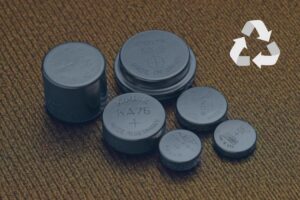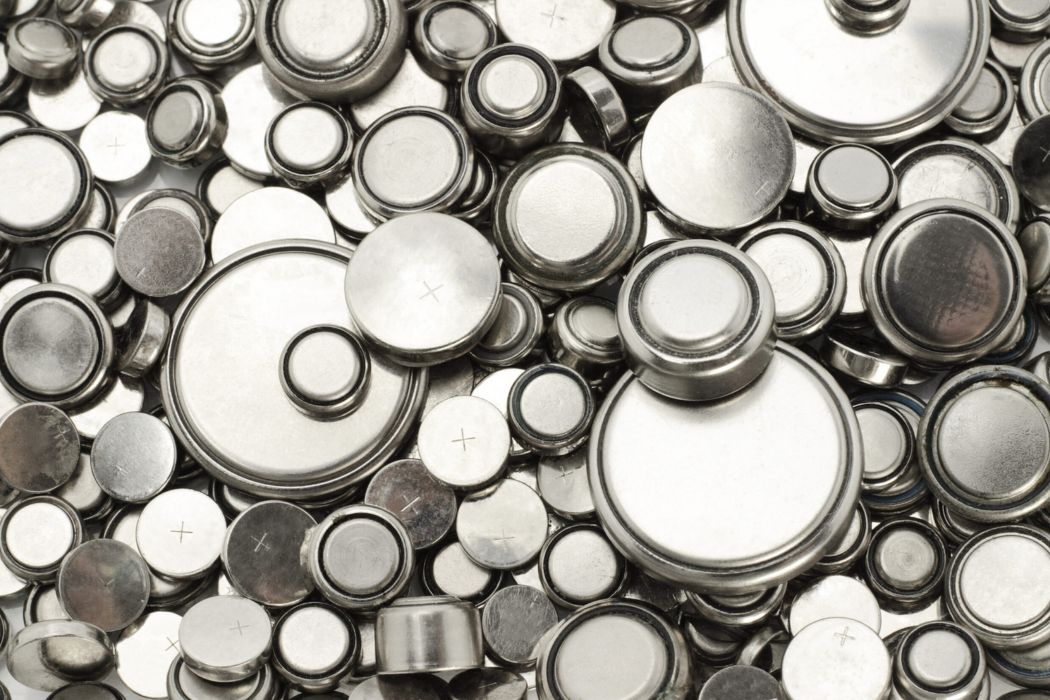
Button cell battery recycling matters because these tiny “coin” batteries pack a lot of energy into a small metal disk. A button cell battery is a coin-shaped, compact, high-density battery used to power small devices where you need steady voltage and long shelf life.
You’ll hear a few common terms and sizes:
- Coin cell vs button cell: People use them interchangeably. “Coin cell” is common for the flatter lithium types.
- CR2032: One of the most common lithium coin cells (key fobs, trackers, small electronics).
- LR44: A very common alkaline button cell (toys, small gadgets).
- Other codes you’ll see: CR2025, CR2016, SR626SW, PR44, and more.
They’re treated as regulated e-waste for two reasons:
- Metals and internal chemistry (they shouldn’t be landfilled with normal trash).
- Ingestion hazard: Button cells are dangerous if swallowed—especially for kids and pets. That’s not a “maybe” risk. It’s an urgent safety issue.
Where Button Cell Batteries Are Commonly Found
If it’s small and runs forever, there’s a good chance it uses a button cell.
- Watches, calculators, key fobs, remotes
- Hearing aids and medical devices (often zinc-air)
- Toys, novelty items, greeting cards (yes, even the singing ones)
- Small electronics and wearables (fitness trackers, small sensors, tiny LED gadgets)
Quick tip: if the battery compartment is a tiny round tray with a snap or screw cover, it’s usually a button/coin cell.
Why Button Cell Batteries Need Special Handling
These batteries are small, but the risks are real—both environmentally and at home.
Environmental risks
Over time, batteries can corrode and leak. Even small amounts of battery material add up when they’re tossed into landfills. Proper recycling reduces the chance of metal contamination and keeps recoverable materials in circulation.
Safety risks
- Short-circuit risk: Loose button cells in a drawer, bag, or bin can touch metal and short out.
- Fire risk: Mixing them with other batteries or metal objects (coins, keys, screws) increases the chance of overheating.
- Child and pet ingestion hazard: If swallowed, button cells can cause severe internal burns fast. If you suspect ingestion, treat it as an emergency and contact a medical professional or poison control immediately.
Bottom line: “small” doesn’t mean “safe to trash.” It means easier to lose, easier to mishandle, and easier to cause a problem.
Types of Button Cell Batteries and What Makes Them Different
You don’t need to be a battery expert, but knowing the basic types helps you sort them correctly.
Lithium coin cells (CR series)
These are the flat, shiny ones people see most often.
- Higher energy density and long shelf life
- Common in key fobs, trackers, computer BIOS batteries, small electronics
- Typical examples: CR2032, CR2025, CR2016
Alkaline button cells (LR series)
- Lower capacity than lithium coin cells
- Often used in small toys, cheap gadgets, laser pointers, basic electronics
- Typical example: LR44
Silver-oxide (SR series)
- Common in watches because they provide stable voltage
- Typical examples: SR626SW and similar watch-battery codes
Zinc-air (PR series)
- Most common in hearing aids
- Air-activated (they often have a peel-off tab)
- Typical example: PR44
Practical identification tip: look at the code stamped on the battery (CR / LR / SR / PR). That’s the fastest way to sort. Sorting matters because different chemistries follow different handling and processing paths.
How to Store Button Cell Batteries Before Recycling
Most issues happen before recycling—when batteries are loose, mixed, or easy to reach.
Do’s
- Store in a non-metal container with a lid. Plastic is ideal.
- Keep away from heat and humidity. Dry, room-temperature storage is best.
- Keep out of reach of kids and pets. Treat them like small magnets or medication—secure storage only.
Don’ts
- Don’t toss them loose into junk drawers, bags, or mixed battery bins.
- Don’t store it with metal items like coins, keys, screws, paperclips, or loose hardware.
- Don’t crush, puncture, or try to open them. If one is damaged or corroded, isolate it and handle it as a special case for recycling.
How Button Cell Battery Recycling Works
Button cell battery recycling isn’t complicated on your end—but it is carefully controlled once the batteries reach a recycler. These small batteries are easy to mishandle, so the whole process is designed around safety, sorting, and clean recovery.
Step 1: Collection
For most people, the first step is simply getting button cells out of the junk drawer and into a proper stream.
- Individuals: Use drop-off locations like electronics recycling sites, community collection events, or approved battery drop points.
- Organizations: Businesses, schools, municipalities, and facilities can use bulk collection programs, including pickup services or on-site e-waste containers (where applicable) to keep batteries stored safely until removal.
Step: 2 Sorting and Identification
Once collected, batteries are sorted by chemistry because not all button cells behave the same.
- Chemistry-based sorting: lithium (CR), alkaline (LR), silver-oxide (SR), zinc-air (PR)
- Damaged/corroded separation: Units that are swollen, corroded, or leaking get isolated early to reduce exposure and prevent shorting during processing.
Step: 3 Safe Processing
After sorting, batteries move through controlled processing steps.
- Batteries are handled in a way that reduces the chance of short-circuiting and overheating.
- Mechanical processing is done in controlled environments, with attention to capturing and managing fine residues and internal materials.
The goal is to break them down safely without letting small metal casings and reactive contents create problems.
Step 4: Material Recovery
At a high level, recovery focuses on routing usable material back into manufacturing streams.
- Steel casings and recoverable metal fractions are separated and routed into reuse pathways.
- Remaining residues are handled responsibly through appropriate downstream channels, not tossed into general waste streams.
What Materials Can Be Recovered
Button cells are small, but they’re still made of materials worth recovering.
- Steel casings (common across many types)
- Metal fractions that vary by chemistry, such as:
- Zinc-based materials (common in zinc-air and some alkaline types)
- Silver compounds (in silver-oxide watch batteries)
- Other recoverable metals depending on the specific chemistry
- Zinc-based materials (common in zinc-air and some alkaline types)
Why it matters: recovery helps reduce demand for raw mining and keeps battery-related metals out of landfills, where they can corrode over time and create long-term waste problems. At EACR Inc., we follow a strict zero landfill policy. We know the true effects of batteries on the environment and ensure these materials don’t negatively impact our environment.
How EACR Inc. Helps With Button Cell Battery Recycling
EACR Inc. makes button cell battery recycling practical for both small quantities and bulk volumes.
- Who we serve: Businesses, schools, municipalities, facilities, and households.
- Options available:
- Drop-off for smaller quantities
- Scheduled pickups for ongoing or bulk needs
- On-site containers (where applicable) to keep collection organized and safer
- Drop-off for smaller quantities
We focus on safe handling, clear sorting, and responsible downstream management so batteries are routed through the proper recycling channels. Certificates of recycling are provided to support compliance and internal reporting.
FAQs About Button Cell Battery Recycling
Can button cell batteries go in the trash?
No. Even when local rules aren’t clear, trash disposal is the wrong default. Button cells can short-circuit, create safety risks, and add unnecessary metals to landfills.
Are button cell batteries hazardous?
They can be. The exact classification depends on chemistry and local program rules, but they should be treated as special waste because they can corrode, leak, and create short-circuit hazards.
What if a button cell is corroded or leaking?
Isolate it, avoid direct contact, and keep it in a sealed non-metal container. Don’t mix it with intact batteries. Arrange recycling as soon as possible.
Where can I recycle button cell batteries near me?
EACR Inc. can help you set up the right option based on your volume—drop-off for smaller amounts or pickup/container programs for ongoing collection.
Conclusion: Recycle Button Cells the Right Way
Button cells are tiny, but the risk is not. They’re easy to lose, easy to short, and dangerous if mishandled—especially around kids and pets. The right move is simple: store them safely, keep them out of the trash, and recycle them through a responsible program.
Contact EACR Inc. to set up button cell battery recycling—schedule a pickup, request a container (where applicable), or get drop-off guidance based on your needs.