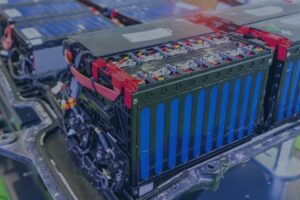
What are batteries made of? Most batteries are built from a small group of core parts that work together to store and release energy. Even though they look simple from the outside, the inside of a battery is made up of materials that move ions and electrons in a controlled way. In most cases, a battery contains an anode, cathode, electrolyte, separator, and outer casing. The exact materials can change depending on the battery type, but the basic structure stays largely the same.
If you have used batteries piling up, EACR Inc. is a battery recycling company that helps businesses and organizations handle them safely and responsibly.
What is a Battery?
A battery is a device that stores chemical energy and converts it into electrical energy. When connected to a device, it releases that stored energy through a chemical reaction that creates an electric current. Some batteries are single use and meant to be discarded after they run out, while others are rechargeable and designed to be used again many times.
The Main Parts Inside a Battery
Every battery needs a few basic components to work. Each part has a specific job, and together they allow the battery to store energy, move it, and deliver power.
Anode
The anode is the negative side of the battery. During discharge, it releases electrons that move through the external circuit to power a device.
The anode is often made from materials like zinc or lithium, depending on the type of battery. In simple terms, it is one of the main sources of the battery’s stored energy.
Cathode
The cathode is the positive side of the battery. It receives electrons during discharge after they travel through the circuit.
Cathodes are often made with metal compounds such as manganese dioxide or lithium metal oxides. The exact material depends on the battery chemistry, but the cathode always plays a key role in completing the reaction that produces power.
Electrolyte
The electrolyte is the chemical medium inside the battery that allows ions to move between the anode and cathode. That ion movement is what helps the battery keep the reaction going.
Depending on the battery type, the electrolyte can be a liquid, paste, gel, or solid material. Different chemistries use different electrolytes, but the purpose stays the same.
Separator
The separator is a thin internal layer that keeps the anode and cathode from touching each other directly. If they touched, the battery could short circuit.
Even though it keeps the two sides apart, the separator still allows ions to pass through. That makes it a critical safety and performance component inside the battery.
Casing or Container
The casing, or container, is the outer shell that holds the battery together. It protects the internal materials and helps maintain the battery’s shape and structure.
Depending on the battery, the casing may be made of steel, metal, or plastic. In many common household batteries, the outer container is also part of the overall battery design, not just packaging.
Other Battery Components
Many batteries include a few supporting parts beyond the five main components. These extra materials help move electricity, protect the internal chemistry, and keep the battery stable during normal use.
Current collectors
Current collectors help carry electrical current out of the battery. They connect the internal active materials to the outer circuit so the battery can actually deliver power to a device.
These parts are usually made from conductive metals. While they are not always visible from the outside, they play an important role in how the battery functions.
Terminals
The terminals are the positive and negative ends of the battery. These are the points where the battery connects to a device and sends electrical power where it needs to go.
In household batteries, the terminals are the ends you see and touch. In larger batteries, they may appear as posts, tabs, or connection points.
Paper, plastic, and protective materials
Batteries also use paper, plastic, sleeves, seals, and insulating materials to help hold everything in place. These parts help protect the internal components and keep the battery stable during use.
Some of these materials also help prevent leaks, reduce damage, and separate sensitive parts from each other. They may seem minor, but they are still part of the overall battery design.
What Materials Are Batteries Commonly Made Of?
Once you understand the parts of a battery, the next step is looking at the actual materials inside. While battery chemistry varies by type, most batteries are made from a mix of metals, chemical compounds, and protective nonmetal materials.
Metals
Many batteries contain metals that help store, move, or conduct energy. Common examples include zinc, manganese, lithium, nickel, cobalt, lead, and steel.
Zinc is often used in alkaline batteries. Manganese is commonly found in the cathode of household batteries. Lithium is widely used in rechargeable batteries because it holds a lot of energy for its size. Nickel and cobalt are common in certain rechargeable battery chemistries. Lead is used in lead acid batteries, and steel is often used for the outer casing or structural parts.
Chemical compounds
Batteries also rely on chemical compounds to keep the internal reaction moving. These compounds vary depending on the battery type.
For example, potassium hydroxide is commonly used in alkaline batteries as the electrolyte. Lithium salts are often used in lithium batteries. Sulfuric acid is used in lead acid batteries. These compounds help move ions through the battery so energy can be released.
Nonmetal materials
Not everything inside a battery is metal or liquid chemistry. Batteries also contain nonmetal materials that support structure, insulation, and performance.
Common examples include graphite, plastic, paper, and separator fabric. Graphite is often used as part of an electrode material. Plastic and paper may be used in labels, sleeves, insulation, or internal layers. Separator fabric helps keep the battery’s internal parts safely separated while still allowing ion flow.
What is Inside an Alkaline Battery?
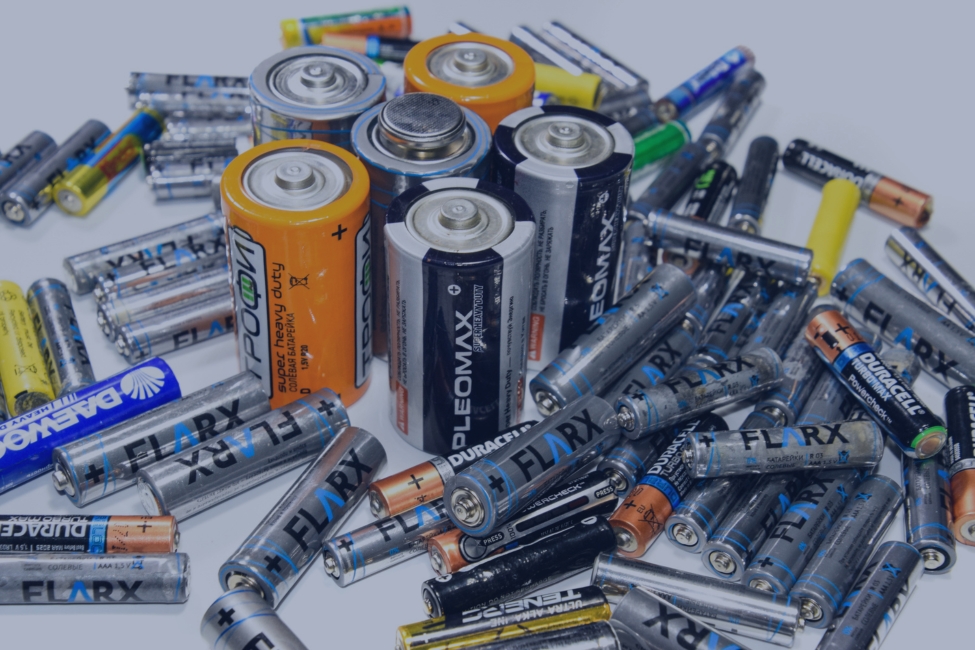
An alkaline battery is one of the easiest examples because it is the kind most people already know. Common AA, AAA, C, D, and 9V batteries usually contain a steel casing, zinc, manganese dioxide, a potassium-based electrolyte, and paper or plastic insulation and labeling.
A practical way to picture it is this: the steel shell holds everything together, the zinc and manganese dioxide do the main chemical work, the electrolyte helps ions move, and the paper or plastic materials help insulate and protect the internal parts. From the outside it looks simple, but inside it is a tightly packed system of working materials.
How Battery Materials Work Together
A battery works because each material has a job. The anode releases electrons, the electrolyte allows ions to move, the cathode receives electrons, and the separator keeps the reaction controlled by preventing direct contact between the two sides.
As this happens, the battery sends electrical energy into the device. That is how stored chemical energy becomes usable power.
Do Rechargeable and Single Use Batteries Have the Same Components?
Yes, both rechargeable and single use batteries generally have the same core structure. They still use an anode, cathode, electrolyte, separator, and casing to store and release energy.
The main difference is the chemistry and whether the reaction can be reversed. Alkaline batteries are usually single use. Lithium ion batteries are rechargeable. Lead acid batteries are also rechargeable. So while the basic design is similar, the materials and performance are not exactly the same.
Why Battery Materials Matter
Battery materials matter because they affect safety, performance, lifespan, and recycling. Some materials are better for high energy storage, some are better for long-term use, and some require more careful handling during disposal.
They also matter because batteries should not be treated like regular trash. Different materials have different recycling and handling requirements, especially when metals, chemicals, and damaged battery parts are involved. Understanding what batteries are made of helps explain why proper recycling is important in the first place.
Final Takeaway
Batteries are made of a few core parts, but the exact materials change based on the chemistry. Most people only see the outside, but inside a battery is a controlled system of metals, chemicals, and protective materials all working together to produce power. Understanding what batteries are made of is only part of the equation. EACR Inc. provides battery recycling services that help make sure those materials are handled the right way at end of life.