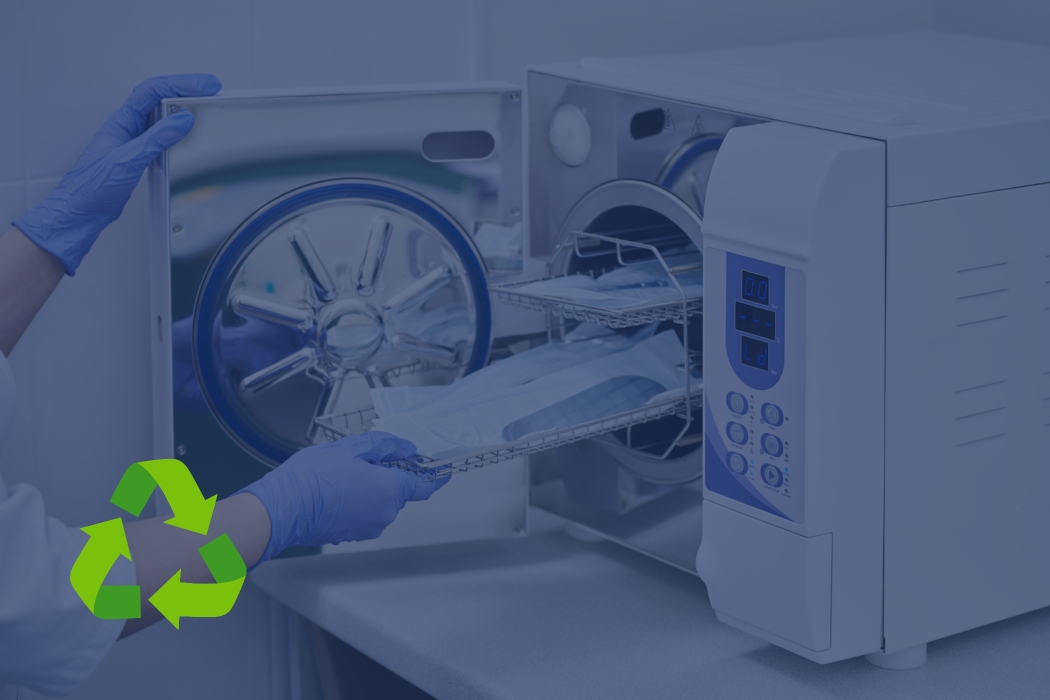
Autoclaves are regulated medical sterilization equipment — not standard scrap metal. They contain heating elements, pressure vessels, electronic control boards, wiring, and insulation that require structured handling at end of life.
Improper disposal creates compliance, safety, and liability risks. Healthcare equipment retirement is facing increased oversight, and facilities are expected to document how devices are decommissioned and routed.
EACR Inc. provides e-waste recycling services and medical equipment disposal services. This guide explains how decommissioning works, what recycling options exist, when refurbishment makes sense, and what compliance steps facilities should follow.
What is an Autoclave?
An autoclave is a pressurized sterilization unit that uses steam and heat to eliminate biological contaminants from instruments and materials.
Medical and Dental Autoclaves
Found in:
- Dental practices
- Hospitals and surgical centers
- Outpatient clinics
These units sterilize surgical tools, dental instruments, and medical equipment daily. Because they handle potentially infectious material, they are tightly regulated.
Laboratory Autoclaves
Used in:
- Research labs
- Universities
- Pharmaceutical facilities
These units sterilize lab waste, glassware, and biohazard materials, often operating at high frequency.
Industrial Sterilization Units
Common in:
- Biotech operations
- Food and production facilities
These systems may be larger and integrated into production lines.
Autoclaves are pressure vessels combined with electronic systems. That combination means they must be retired properly, not discarded casually.
Why Autoclaves Cannot Be Thrown Away
Pressure Vessel Risk
Autoclaves are built around sealed steam chambers. Even when powered down, components can present hazards if improperly dismantled.
Risks include:
- Steam chamber pressure systems
- High-temperature heating elements
- Electrical wiring and control systems
Improper handling can create injury risk.
Regulated Equipment
Autoclaves are often classified as medical equipment. That means:
- They may fall under healthcare compliance protocols
- Biohazard exposure history must be considered
- Documentation may be required during disposal
Facilities are expected to show how equipment was retired and where it was sent.
Environmental Considerations
Autoclaves contain:
- Stainless steel chambers
- Copper wiring
- Circuit boards
- Insulation materials
These materials should be recovered responsibly, not sent to landfill.
Decommissioning an Autoclave Before Recycling
Decommissioning must happen before removal. Proper preparation protects staff and ensures compliant recycling.
Step 1: Confirm It Is Out of Service
Review:
- Maintenance records
- Repeated performance failures
- Repair cost versus replacement cost
If the unit is beyond reasonable repair, formal retirement should be documented.
Step 2: Ensure Decontamination
Before removal, confirm:
- The last sterilization cycle was completed
- The chamber is free of biological material
- All residual waste has been removed
Recyclers should not receive units with active contamination.
Step 3: Disconnect Utilities
Autoclaves are hard-connected equipment. Confirm disconnection of:
- Electrical power
- Water supply lines
- Steam lines if applicable
- Drain systems
Utility disconnection should be handled by qualified personnel.
Step 4: Secure the Unit
To prevent accidental reuse:
- Label the machine as retired
- Remove it from active equipment inventory
- Prevent reinstallation without evaluation
Once decommissioned, the unit can be routed for recycling or refurbishment.
Can Autoclaves Be Recycled or Refurbished?
Not every autoclave needs to be scrapped. Some units can be recycled for materials, while others may qualify for refurbishment.
Full Recycling
When a unit is beyond repair, material recovery includes:
- Stainless steel chamber recovery
- Copper wiring recovery
- Electronic component separation
- Scrap routing through proper channels
This ensures metals and regulated electronics are processed correctly.
Partial Recycling
In some cases, individual components may be salvageable, such as:
- Pumps
- Heating elements
- Control boards
- Valves
Qualified technicians can remove and evaluate these parts.
Refurbishment Option
Some autoclaves can be refurbished through specialist medical equipment channels. This may include:
- Evaluation by qualified technicians
- Replacement of worn parts
- Safety and performance testing
- Resale with limited warranty
Not every unit must be scrapped. When appropriate, refurbishment extends equipment life while maintaining safety standards.
What’s Inside an Autoclave?
Autoclaves are complex machines built from heavy-duty metal, mechanical systems, and regulated electronics. Understanding what’s inside explains why proper recycling matters.
Structural Components
- Stainless steel pressure chamber
- Steel frame
- High-temperature insulation
The chamber is the core of the unit. It’s designed to withstand extreme heat and pressure, which is why it must be handled carefully at the end of life.
Mechanical Systems
- Pumps
- Valves
- Gaskets
- Seals
These components control pressure, steam flow, and safety functions. Many are metal-based and recoverable, while worn seals and gaskets are typically discarded.
Electrical & Electronic Systems
- Circuit boards
- Control panels
- Digital displays
- Sensors
Modern autoclaves operate through electronic control systems. These qualify as regulated electronic waste and must be processed accordingly.
Heating Systems
- Electric heating elements
- Steam generators
These systems create the sterilization environment and often contain recoverable metals.
Autoclave Recycling Options
There is more than one way to retire an autoclave, but compliance and documentation should always come first.
1. Electronics Recycling Facility
An electronics recycling company will:
- Verify proper decommissioning
- Process regulated electronics
- Recover scrap metals properly
- Provide certificates of recycling
This option offers the strongest compliance protection.
2. Bulk Pickup for Healthcare Networks
Ideal for:
- Dental groups
- Hospital systems
- University labs
- Surgery centers
Benefits include:
- Scheduled pickup
- Documentation for audits
This is especially useful during facility upgrades or equipment standardization projects.
3. Electronics Container Programs
Some facilities benefit from having an e-waste container in the following ways:
- Centralized retirement programs
- Ongoing collection logistics
- Controlled removal planning
This approach supports long-term compliance management.
4. Refurbishment & Resale Partners
In some cases, units may qualify for:
- Professional evaluation
- Safety testing
- Controlled resale
Licensed medical equipment recycling provides stronger compliance control than informal scrap disposal. Facilities should avoid unverified buyers or undocumented removal.
How Autoclave Recycling Works
Recycling is structured and documented, not random dismantling.
Step 1: Intake & Compliance Review
The recycler will:
- Verify decommissioning
- Confirm decontamination
- Log equipment serial numbers
This creates traceability from the start.
Step 2: Dismantling
The unit is carefully separated into major components:
- Chamber removal
- Electronic extraction
- Mechanical component separation
This ensures materials are routed properly.
Step 3: Material Recovery
Recovered materials typically include:
- Stainless steel
- Copper wiring
- Electronic components routed through proper channels
Metals reenter the supply chain through controlled processing.
Step 4: Documentation
For businesses and healthcare providers, documentation is critical:
- Asset removal records
- Certificates of recycling
- Audit support documentation
This protects the organization during inspections.
Special Considerations for Healthcare & Labs
Compliance & Inspection Risk
Facilities should maintain:
- Equipment logs
- Maintenance records
- Retirement tracking documentation
Inspectors may request proof of proper equipment disposal.
Biohazard Responsibility
Before recycling:
- Confirm the chamber is clean
- Separate any biohazard waste streams
Recyclers should not receive contaminated equipment.
Audit Readiness
Strong compliance includes:
- Maintaining chain of custody
- Retaining certificates of recycling
Documentation is what protects your facility.
Frequently Asked Questions About Autoclave Recycling
Can autoclaves be recycled?
Yes. Autoclaves can be dismantled and processed for metal and electronic recovery once properly decommissioned.
Can parts be salvaged?
In some cases, pumps, valves, and control boards may be evaluated for reuse or refurbishment by qualified technicians.
Do autoclaves qualify as medical e-waste?
Yes. They are medical devices that contain regulated electronic components and must be handled accordingly.
Do I need to decontaminate before recycling?
Yes. The chamber must be confirmed free of biohazard before removal and recycling.
Is bulk pickup available?
Yes. Bulk pickup services are available for healthcare networks, labs, and large facilities.
Does EACR Inc. provide documentation?
Yes. Certificates of recycling documentation are provided for compliant disposal.
Conclusion
Autoclaves are regulated, pressure-based medical devices that require structured retirement. Proper recycling protects compliance, recovers reusable materials, and prevents unsafe resale.
Contact EACR Inc. for licensed autoclave recycling and medical equipment disposal services.