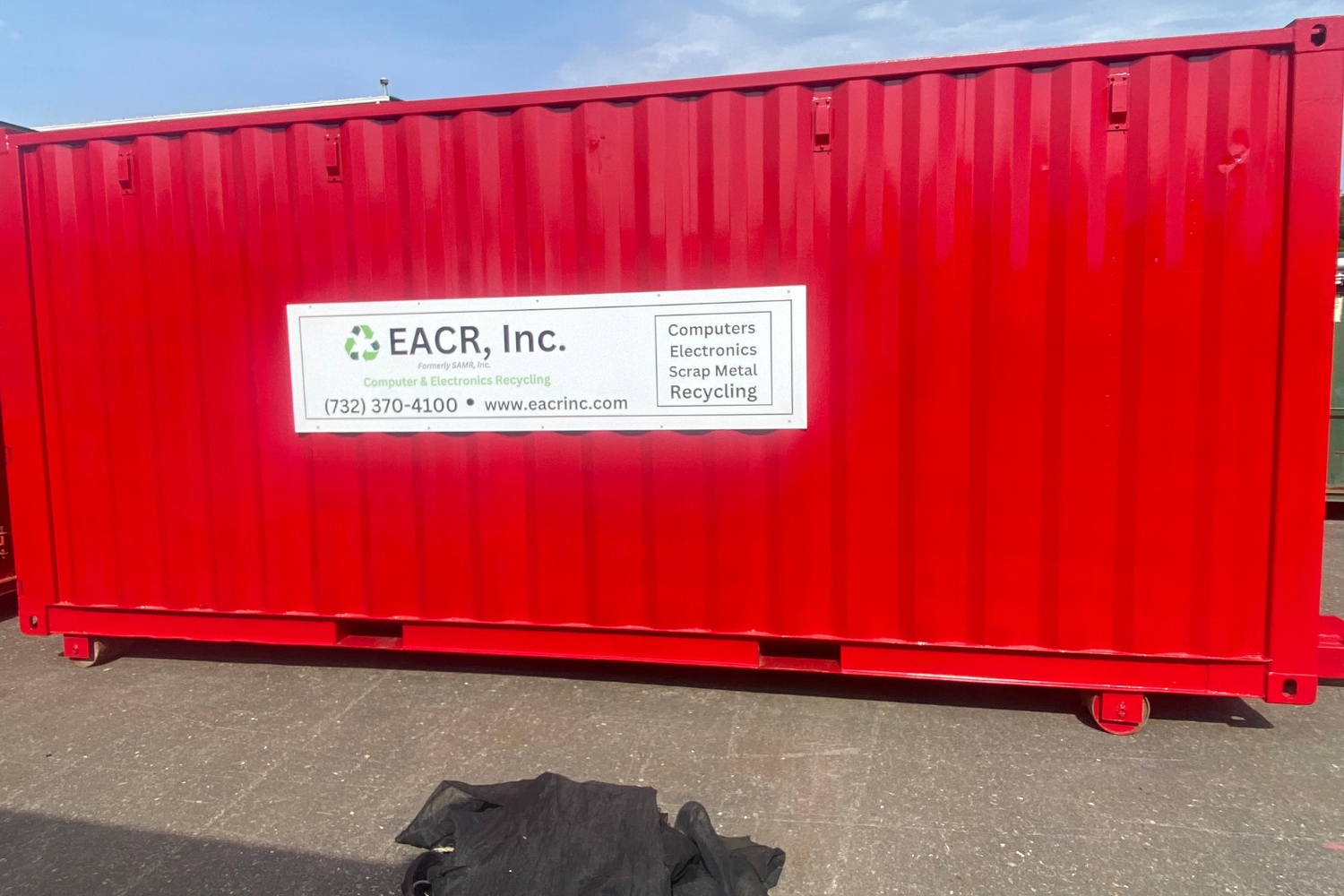
An e-waste container is a large collection container designed for electronics recycling at businesses, municipalities, schools, and other high-volume sites. These are not small household drop-off bins. They are built for larger, ongoing collection needs where old computers, monitors, printers, cables, devices, and other electronics can be gathered in one secure, organized place.
E-waste containers can be used for short-term cleanouts or permanent recycling programs. Some sites use them during office upgrades, school technology replacements, warehouse cleanouts, or public recycling events. Others keep them on-site year-round as a long-term solution for collecting outdated electronics as they build up. The main benefit is simple: they make electronics recycling easier, safer, and far more organized.
What is an E-Waste Container?
Not a household bin
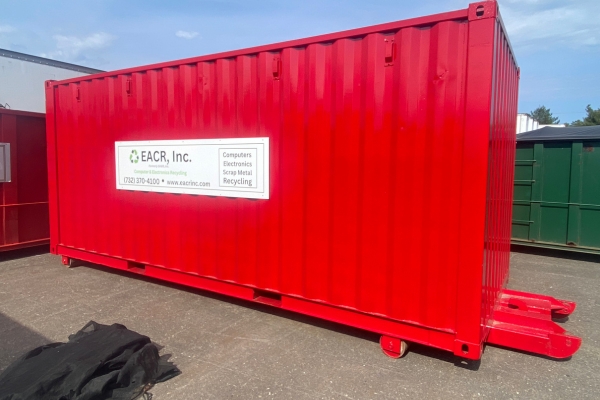
An e-waste container is meant for larger-scale electronics collection. It is designed for sites that generate too much electronic waste for a small drop-off area or occasional pickup to handle efficiently. Instead of storing old devices in random offices, back rooms, maintenance sheds, or loading areas, everything goes into one clearly designated collection point.
This creates a centralized system for larger volumes of e-waste. That matters for towns, schools, hospitals, and businesses that regularly deal with outdated electronics, damaged equipment, or bulk replacements. Rather than letting material pile up across a property, a container keeps collection simple and controlled.
Who uses e-waste containers?
E-waste containers make sense for a wide range of facilities and organizations. Municipalities often use them to give residents a reliable place to recycle electronics safely. Businesses use them to manage old office equipment, IT assets, and department cleanouts. Schools and universities use them when student and staff devices are upgraded over time.
They are also a strong fit for property managers, hospitals, warehouses, and event venues. Any site that handles recurring electronics disposal, large cleanouts, or public-facing collection can benefit from having a dedicated container in place. The bigger the property or the more people using it, the more useful that centralized setup becomes.
Common container setups
One common setup is a short-term event container. This works well for community collection days, seasonal cleanup events, office relocations, renovations, or major equipment upgrades. It gives the site a temporary but structured way to collect a large volume of electronics in a short period of time.
Another option is a permanent public drop site. This is especially useful for municipalities, public works departments, apartment complexes, universities, and school districts that want to offer consistent recycling access. Instead of waiting for one event each year, they can provide an ongoing collection solution.
The third common setup is an on-site business recycling container. This works well for companies, warehouses, hospitals, and retailers that regularly cycle out electronics. It keeps old equipment from building up across departments and gives staff one place to bring unwanted devices as they come out of service.
Why Businesses and Municipalities Need E-Waste Containers
Electronics waste adds up fast
Electronic waste builds up faster than most organizations expect. Offices replace laptops, monitors, phones, and networking equipment. Schools update classroom technology, tablets, and computer labs. Public facilities cycle through printers, AV equipment, and admin devices. Over time, that creates a steady stream of material that needs somewhere to go.
On a broader level, the average American has 24 devices per household (EPA, 2021). When you apply that kind of volume across a town, school district, apartment complex, hospital system, or multi-building business, the need for a real collection solution becomes obvious. Electronics waste is not occasional anymore. For many sites, it is constant.
One central place makes recycling easier
Without a container, old electronics usually end up scattered everywhere. A few monitors get left in a storage room. Old cables end up in a maintenance area. Broken printers sit in the back of an office. Retired laptops pile up in an IT closet. That kind of system is not really a system at all.
A centralized e-waste container fixes that. It gives everyone one clear place to put outdated electronics. That makes collection easier to manage, easier to monitor, and easier to keep organized. It also reduces clutter and cuts down on the confusion that happens when every department handles disposal differently.
A better long-term solution than one-off cleanouts
One-time pickups and occasional cleanouts can help, but they usually do not solve the bigger issue. Electronics keep coming out of service. If there is no ongoing collection plan, the material starts building up again almost immediately.
That is why an e-waste container works better as a long-term solution. It allows sites to manage electronics waste as it happens instead of waiting until the problem becomes too large, too messy, or too disruptive. For businesses and municipalities that deal with regular turnover in equipment, a container creates a much more practical and sustainable recycling process.
20 Reasons to Get an E-Waste Container
1. Environmental stewardship
An e-waste container shows your organization takes electronics recycling seriously. It creates a visible, practical system for keeping old devices out of the landfill.
2. Prevents hazardous waste contamination
Electronics can contain materials that should not be thrown away with regular trash. A dedicated container helps keep those materials out of the wrong waste stream.
3. Helps meet sustainability goals
An e-waste container supports internal green initiatives, ESG efforts, and public sustainability programs. It gives your site a clear action step instead of just a policy statement.
4. Demonstrates corporate responsibility
Clients, residents, employees, and vendors notice when your site offers responsible recycling. It reflects well on your organization and shows you care about doing things the right way.
5. Creates a long-term recycling solution
Instead of waiting for clutter to pile up, you have an ongoing system in place. That makes electronics recycling easier to manage over time.
6. Simplifies electronics disposal
A container gives people one clear place to put old electronics. That makes recycling easier and cuts down on confusion.
7. Improves workplace safety
Piles of old electronics can create trip hazards, blocked areas, and general clutter. A container helps keep workspaces cleaner and safer.
8. Reduces storage space issues
Old equipment takes up room in offices, closets, storage areas, and back rooms. A dedicated container frees up that space for actual operations.
9. Keeps facilities organized
Without a system, outdated electronics end up scattered across departments. A centralized container keeps collections consistent and easier to manage.
10. Makes cleanouts easier
Office upgrades, relocations, renovations, and equipment replacements go much smoother with a container on-site. It gives teams a simple way to move material out fast.
11. Reduces fire risk from batteries and electronics
Damaged batteries and electronic devices can become a fire risk when stored improperly. A proper collection setup helps reduce that risk.
12. Supports regulatory compliance
Many states restrict how electronics can be disposed of. An e-waste container helps your organization follow a more compliant recycling process.
13. Provides proper downstream recycling
An e-waste container program helps ensure electronics move through a real recycling chain instead of being dumped or mishandled. That matters for both environmental and operational reasons.
14. Helps with audits and reporting
A structured collection program makes it easier to track what is being recycled. That helps with internal records, sustainability reporting, and operational oversight.
15. Supports certificates of recycling
Proper recycling programs can provide documentation showing material was processed correctly. That is useful for compliance files and internal documentation.
16. Protects sensitive data
Old hard drives, servers, laptops, and other devices may still contain sensitive information. A proper recycling program helps make sure data-bearing devices are handled securely.
17. Handles large volumes efficiently
Containers work especially well for schools, businesses, municipalities, hospitals, and warehouses with large amounts of electronics. They make bulk collection much easier.
18. Encourages staff participation
People are more likely to recycle when the process is simple and visible. A container removes friction and makes participation more likely.
19. Supports community recycling programs
For towns and public agencies, containers make it easier to give residents a reliable drop-off solution. That can reduce illegal dumping and improve local recycling access.
20. Reduces landfill costs
Throwing electronics away improperly can create added disposal costs and waste handling issues. A dedicated recycling container helps move that material into a better system.
Best Places to Use an E-Waste Container
Municipal lots and public works departments
Municipal lots and public works departments are one of the best places for an e-waste container. They give residents a clear, reliable place to recycle electronics instead of leaving towns to deal with illegal dumping or scattered collection efforts.
A container also makes community recycling programs easier to manage. Whether it is a permanent drop site or part of a seasonal event, it gives towns a practical way to handle electronics collection at scale.
Schools, colleges, and universities
Schools and campuses go through electronics constantly. Computers, monitors, printers, tablets, and classroom technology all get replaced over time, and that material needs somewhere to go.
An e-waste container gives staff and facilities teams one central collection point. It works especially well for K through 12 districts, colleges, and universities that want a more organized way to manage ongoing electronics turnover.
Office parks, warehouses, and corporate campuses
Large business sites generate more e-waste than most people realize. Between office equipment, IT assets, cables, phones, and outdated devices across multiple departments, material can pile up fast.
A container helps centralize collection across buildings or work areas. That keeps the site cleaner, reduces storage headaches, and makes electronics recycling much easier to manage.
What to Look for in an E-Waste Container Program
Container size options
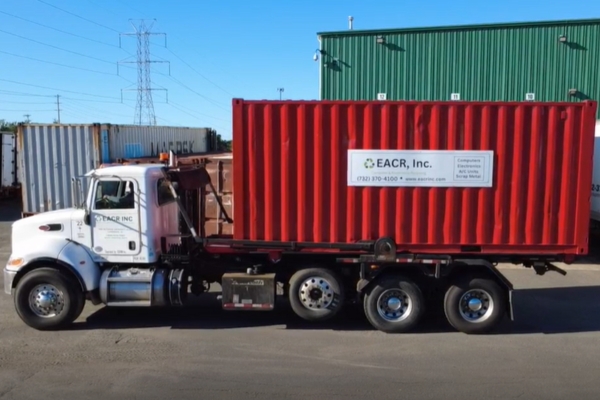
The right program should offer container sizes that match your site’s volume and layout. A smaller location may only need a 20 yard container, while a larger facility or municipality may need something much bigger.
- A 20 yard container is often a great fit for schools, hospitals, retail stores, and properties with more limited space. It gives you a solid collection option without taking up as much room.
- A 40 yard container works well for larger sites with higher turnover or heavier collection needs. It is a strong option for warehouses, larger business properties, and public collection programs.
- A 50 yard container is ideal for high-volume locations that need maximum capacity. This can make sense for municipal programs, major cleanouts, and larger facilities handling a lot of electronics at once.
Open vs. closed containers
It is also important to choose the right container style. Some sites need added security, while others need easier loading access.
- Locked closed containers: are a good choice when security matters most. Closed 20 yard and 50 yard containers can be locked with a chain and padlock, which helps control access and protect collected material.
- Open-top style containers: can make loading easier for certain sites. Open 20 yard and 40 yard containers have an outward swinging door and are useful when quick access and easy loading are the priority.
Get an E-Waste Container for Your Site
If your business, town, school, or property is dealing with old electronics, an e-waste container gives you a safer and more organized way to manage it. Instead of letting devices pile up across storage rooms, offices, maintenance areas, or public lots, you can create one clear system for collection.
EACR Inc. offers e-waste container solutions for businesses, municipalities, schools, and property managers that need a practical recycling setup. Request the right container for your site and make electronics recycling easier to manage year-round.